
Plants
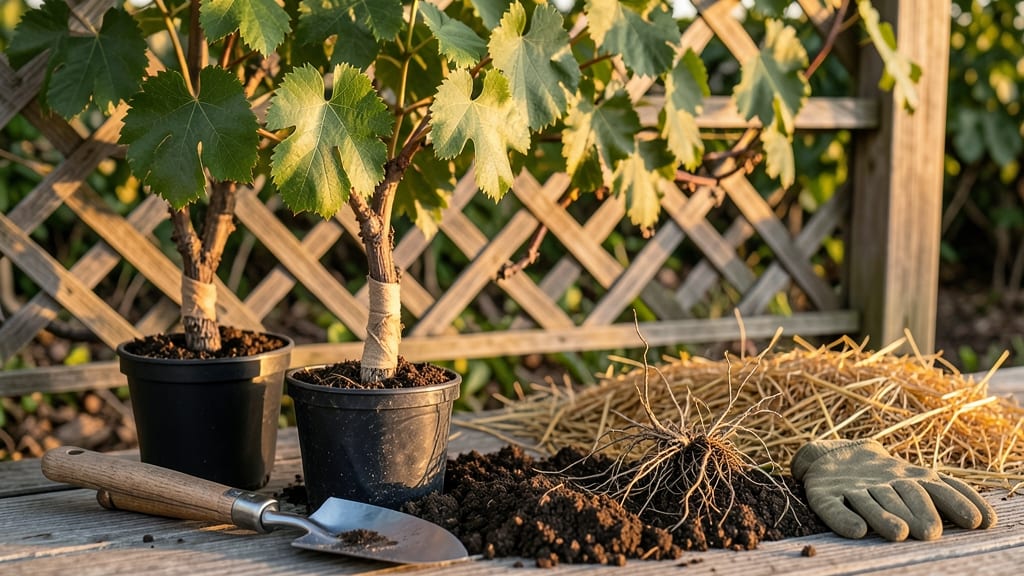
Planting grapes in Alabama isn’t just about timing—it’s about matching your variety to the state’s chill-hour zones and avoiding the brutal summer heat that can stress young vines.
Whether you’re dreaming of sweet muscadines or bold vinifera, getting the timing right is the difference between a thriving 🍇 vineyard and a struggling investment.
Most Alabama gardeners know spring is the window, but the exact months depend on where you live—North Alabama’s cooler 7a zones can handle earlier plantings, while South Alabama’s 8b heat demands a more cautious approach.
I’ll break down the best 4-6 week window before your last frost date, plus how to prep your soil and choose the right spot for maximum success.
You might think all grapes are created equal, but Alabama’s climate rewards the right varieties—like heat-loving muscadines or chill-hour-friendly vinifera. I’ll share which types thrive in your neck of the woods and how to give them the best start, so you’re not left with wilted vines by summer.
Ready to turn your backyard into a grape haven? Let’s dive into the exact planting schedule, soil secrets, and care tips that’ll have your vines climbing strong by harvest season. Your future glass of homegrown wine starts with the right first step.
Alabama grape planting calendar: best months by chill-hour zone
Alabama’s grape-growing success hinges on chill hours—the number of hours below 45°F your vines need to break dormancy. The state spans three chill-hour zones: 400-700 (North AL), 700-1,000 (Central AL), and 1,000+ (Mountain regions).
Planting outside these windows risks heat stress or poor fruit set. I’ll break down the ideal planting months for each zone, including dormancy timing for muscadines, vinifera, and hybrids.
For muscadine grapes (native to Alabama), aim for 200-500 chill hours. These heat-loving vines thrive in North and Central Alabama and can handle late spring plantings (April-May) if soil moisture is maintained.
In contrast, vinifera varieties like Cabernet Sauvignon demand 800-1,000+ chill hours, limiting them to North Alabama’s cooler microclimates with February-March windows.
Hybrid grapes (e.g., Chambourcin) bridge the gap with 500-800 chill hours, making them versatile for Central and North Alabama. These adaptable vines tolerate early spring (Feb-Mar) or late winter (Jan-Feb) plantings, provided soil temps stay above 50°F.
Always check your last frost date—North AL averages March 15, while South AL sees frost as late as April 1.
Bare-root grapes are hardier and plant best in dormant season (Dec-Feb), but potted vines offer flexibility for spring (Mar-Apr) plantings. If using potted grapes, soak roots in water for 2 hours before planting to reduce transplant shock.
In South Alabama’s heat, delay planting until April 15 to avoid heat stress—young vines wilt when soil temps exceed 85°F.
Alabama’s microclimates matter: Plant near water features or in North-facing slopes to extend chill hours. For example, Muscadine vines in Dothan (South AL) may need only 300 chill hours, while Cabernet Sauvignon in Huntsville (North AL) requires 900+ hours.
Use the Alabama Cooperative Extension’s chill-hour map to pinpoint your zone.
Timing also depends on vine maturity: 1-year-old vines establish faster than bare-root cuttings. If planting in late spring (May), choose potted vines and mulch heavily to retain moisture. Avoid summer plantings—Alabama’s 90°F+ temps stunt root growth, leading to poor yields the following year.
Pro tip: Test soil pH (5.5-6.5) before planting—Alabama’s clay soils often need sulfur or lime adjustments. Amend with compost to improve drainage, especially in low-lying areas prone to winter waterlogging. I’ve seen muscadine vines in Mobile thrive with raised beds to avoid saltwater intrusion during storms.
Post-planting, prune vines to 2-3 buds to encourage root establishment. In North Alabama, apply 2 inches of mulch to protect roots from freeze-thaw cycles, while South Alabama vines benefit from shade cloth during peak summer heat.
Monitor for Japanese beetles—they target young grape leaves in June-July.
Remember: Patience pays off. Muscadines may take 3-5 years to bear fruit, while vinifera varieties can produce harvestable grapes in 2 years with proper care. Track your vines’ progress with a growth journal—note budbreak dates, flowering times, and fruit set to refine future plantings.
Alabama grape planting calendar: best months by chill-hour zone
Alabama’s grape-growing success hinges on chill-hour zones, which determine when your vines break dormancy. The state spans three chill-hour ranges: 400-700 (North Alabama), 700-1,000 (Central), and 1,000+ (South).
Planting outside these windows risks heat stress or bud failure—especially for chill-sensitive vinifera varieties. Let’s map out your ideal 4-6 week window before last frost, tailored to your zone.
For North Alabama (USDA 7a), aim for February 15–March 15. Cooler temps and lower chill hours (400-700) suit muscadines and hybrid varieties like ‘Noble’ or ‘Cynthiana’. Meanwhile, Central Alabama (7b-8a) gardeners should plant March 1–March 30 to avoid early heat spikes.
South Alabama’s 8b zone demands the latest window: March 15–April 15 for heat-tolerant types like ‘Scuppernong’ or ‘Chambourcin.
🍇 Pro Tip: Bare-root vines plant best in late winter (when dormant), while potted grapes tolerate early spring (March) plantings. Always check your local last frost date—North Alabama’s average is March 15, while South Alabama’s stretches to April 1.
Your soil temperature matters just as much as air temps. Wait until the ground reaches 55°F—use a soil thermometer to check. In North Alabama, this usually aligns with late February, while South Alabama may not hit it until mid-March.
Planting too early in cold soil stunts root growth, leaving vines vulnerable to spring heatwaves.
🌱 Key Mistake: Skipping dormancy checks. If your vines start sprouting before last frost, cover them with frost cloth or move potted grapes to a sheltered spot. Alabama’s unpredictable March frosts can nip tender new growth in the bud—literally.
Once planted, focus on watering deeply (1–2 inches per week) and installing a trellis system within 2 weeks. This supports rapid growth and prevents disease buildup from crowded canes. Your vines will reward you with first harvests in 2–3 years—if you nail the timing now.