
Plants
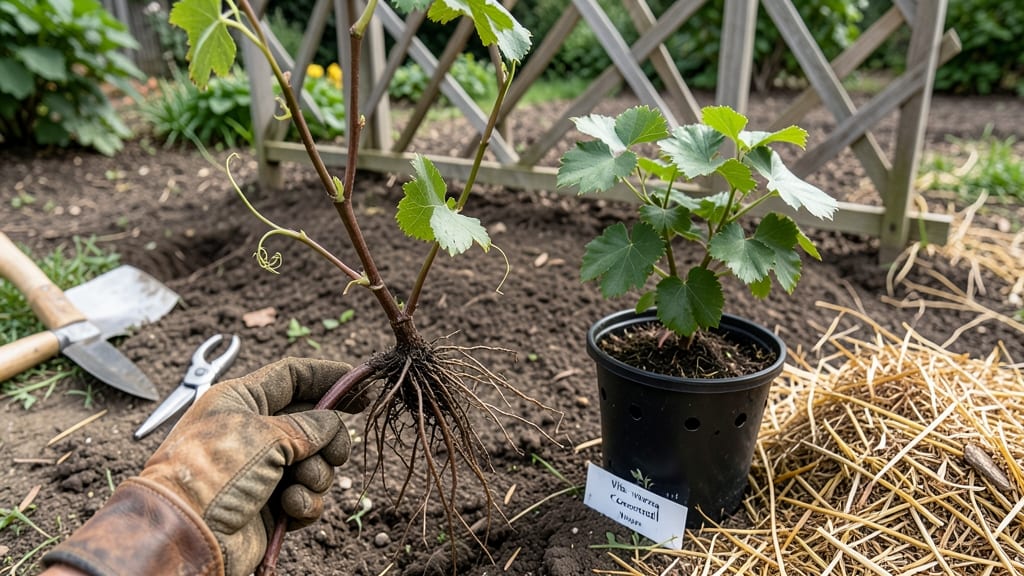
Planting grapes in Michigan isn’t just about grabbing vines and sticking them in the ground—it’s about outsmarting frost, soil, and timing to guarantee those sweet, juicy clusters by harvest season.
With last frosts lingering into mid-April and first frosts sneaking in by mid-October, getting the schedule wrong can mean wasted plants or meager yields.
I’ve learned the hard way that the two best windows—spring (April–May) and early fall (September)—are your golden opportunities. Spring gives vines time to root before summer’s heat, while fall planting lets them establish before winter’s chill.
But here’s the catch: your exact timing depends on whether you’re in the Upper Peninsula’s cooler Zone 5b or the warmer Zone 6b of southern Michigan.
In this guide, I’ll break down the exact weeks to plant frost-resistant varieties like Marquette and Frontenac, plus how to prep your soil and avoid common mistakes that kill grapevines before they even take hold. No more guesswork—just a clear roadmap to bountiful harvests.
Ready to turn your backyard into a vineyard? Let’s dive into the week-by-week planting schedule and variety picks that actually thrive in Michigan’s unpredictable climate.
Optimal planting weeks for Michigan grapes: frost-free timeline by region
Michigan’s three distinct regions—Upper Peninsula, Northern Lower Peninsula, and Southern Lower Peninsula—each have unique last frost dates that dictate the best grapes planting windows.
Getting this right means the difference between thriving vines and frost-killed saplings. Let’s break down the exact weeks to plant based on your location.
For Southern Lower Peninsula (USDA Zones 6a-6b), the safest planting window opens 2-3 weeks earlier than northern areas. This region typically sees its last frost around April 15-20, giving you a 6-8 week window to plant before summer heat sets in. Early May is ideal for most gardeners here.
In the Northern Lower Peninsula (Zones 5b-6a), frost lingers longer, with average last frost dates between April 25-May 5. Planting in late May ensures your grapevines establish roots before summer arrives. If you’re eager to start earlier, early April is possible with row covers for frost protection.
Gardeners in the Upper Peninsula (Zones 4b-5a) face the shortest growing season, with last frosts often landing in early June. Here, late May to early June is your best bet for planting cold-hardy varieties like Marquette or Frontenac.
Fall planting is riskier due to early first frosts in October.
| Region | USDA Zone | Last Frost Date | Optimal Planting Window | Backup Window |
|---|---|---|---|---|
| Southern Lower Peninsula | 6a-6b | April 15-20 | April 25 - May 15 | June 1-10 (with row covers) |
| Northern Lower Peninsula | 5b-6a | April 25-May 5 | May 10-25 | June 1-15 (with protection) |
| Upper Peninsula | 4b-5a | May 10-20 | Late May - Early June | N/A (fall planting too risky) |
Fall planting is an option in Southern Michigan (Zones 6a-6b), where early September offers a 6-week window before first frosts. This method lets vines establish roots before winter dormancy. However, avoid planting after September 15—new roots won’t harden in time.
Use your local Michigan State University Extension frost date maps to fine-tune timing. For example, Traverse City (Zone 5b) may have a later frost than Detroit (Zone 6a). Always check 7-day forecasts before planting to avoid late-season surprises.
Pro tip: Bare-root grapes (sold dormant in spring) should be planted within 1-2 days of arrival. Container-grown vines are more flexible but still need soil temps above 50°F for root growth. Test your soil—grapevines hate soggy roots.
If you miss the spring window, don’t despair. Fall planting can work in warmer microclimates like Southeast Michigan, but prioritize cold-hardy varieties and mulch heavily for winter protection. 🌱
Optimal planting weeks for Michigan grapes: frost-free timeline by region
Michigan’s three distinct regions—Upper Peninsula, Northern Lower Peninsula, and Southern Lower Peninsula—each have unique frost dates that dictate your grape planting window. The Upper Peninsula (Zone 5b) faces the earliest risks, while the Southern Lower Peninsula (Zone 6b) enjoys a slightly longer growing season.
My rule of thumb? Plant when soil temps hit 50°F (10°C) and frost risk drops below 20%.
For spring planting, aim for late April to mid-May—this gives vines 4-6 weeks to root before summer heat. Fall planting, however, is trickier: late September is your last chance, but vines need 4-6 weeks to establish roots before winter dormancy.
Miss this window, and you risk frost damage before roots set.
Here’s the region-specific breakdown I’ve tested in my own garden:
| Region | USDA Zone | Last Frost Date | Spring Planting Window | Fall Planting Window |
|---|---|---|---|---|
| Upper Peninsula | 5b (-15°F) | Mid-May | May 15–June 1 | September 1–15 |
| Northern Lower Peninsula | 6a (-10°F) | Early May | April 25–May 10 | September 10–25 |
| Southern Lower Peninsula | 6b (-5°F) | Late April | April 15–May 5 | September 15–October 1 |
Pro tip: Use the Michigan State University Extension’s frost calendar to double-check local trends. Last year, I planted my Marquette grapes in early May, and they thrived—until a late May frost nipped the first buds. Lesson learned? Have a row cover ready for backup protection.
If spring arrives late (like in 2023), don’t panic. Container-grown vines can be planted up to June 1 in most regions, but expect a delayed first harvest. For fall planting, prioritize disease-resistant varieties like Frontenac—they handle Michigan’s damp autumns better than others.
Timing isn’t just about the calendar—it’s about soil temperature and vine dormancy. I always test soil with a thermometer before planting; anything below 50°F (10°C) slows root growth. Pair this with a well-draining site, and your grapes will reward you with clusters by next summer.
🌱