
How To
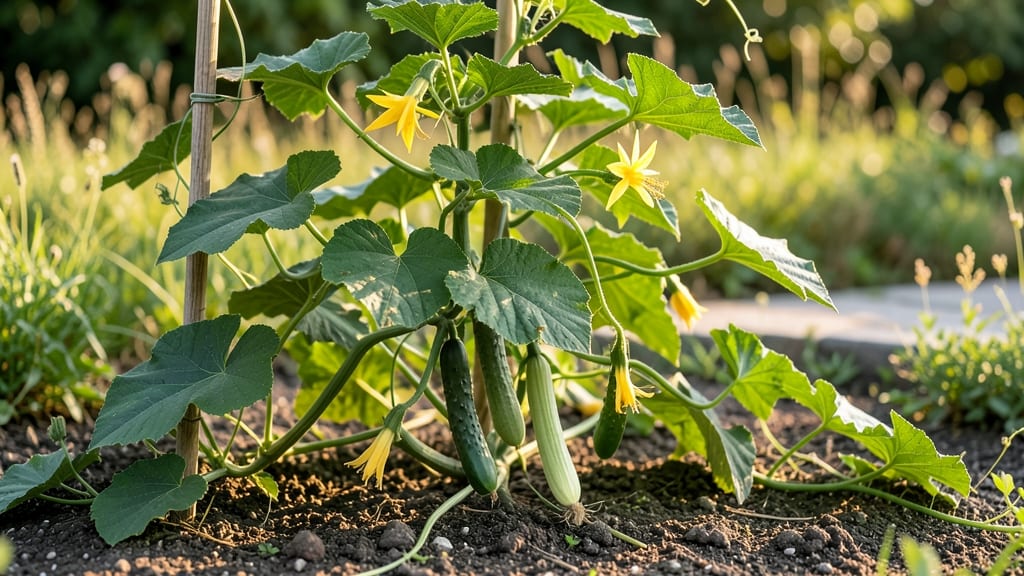
If you're planning your garden this spring, knowing how tall cucumber plants grow could save you from a tangled mess or wasted space.
Some varieties stretch like 20-foot vines, while others stay neatly compact at just 2 feet—and the difference comes down to one key choice: vining or bush types.
Picture this: a sprawling 🥒 cucumber plant reaching your fence line, or a tidy bush variety tucked neatly into a corner. The right pick depends on your space, whether you're in USDA Zone 6a, and how much effort you're willing to put into trellising.
I'll walk you through the height differences so you can match your garden layout to your harvest goals.
For those with limited room, bush varieties like 'Bush Champion' stay under 4 feet, making them perfect for containers or small plots. Meanwhile, classic vining types like 'Straight Eight' can climb 15-20 feet if given proper support.
The secret to controlling their growth? A sturdy trellis and a little pruning know-how.
Let's dive into the specifics—so you can plan your cucumber patch with confidence and avoid the common mistakes that leave plants either too leggy or stunted. Your garden (and your back) will thank you!


Cucumber plant height by variety: vining vs bush types compared
Cucumber plants come in two main growth styles that dramatically impact your garden planning: vining and bush varieties. The height difference isn’t just about aesthetics—it affects your harvest, space needs, and even how you support your plants.
Let me break down the key differences so you can choose the perfect fit for your garden layout.
Most gardeners assume all cucumbers sprawl like wild vines, but bush varieties can stay as short as 2-4 feet tall. Meanwhile, traditional vining types can stretch 10-25 feet if left unchecked.
This isn’t just about height—it’s about how much space they’ll claim in your garden and whether you’ll need trellises or not.
The right choice depends on your garden size and personal preferences. If you’re working with limited space, bush cucumbers are your best bet.
But if you love the idea of a dramatic vertical garden or have plenty of room, vining varieties can create a stunning green wall while producing bumper crops.
Here’s how the two types compare at a glance:
Popular vining varieties like Straight Eight or Marketmore can reach 20 feet if given the right conditions. Without proper support, they’ll sprawl across your garden, competing with other plants for sunlight and nutrients. This is why trellising isn’t just recommended—it’s essential for vining types.
On the other hand, bush varieties like Bush Champion or Spacemaster grow in a more controlled, compact form. They’re perfect for container gardening or small urban plots where space is at a premium.
These varieties produce smaller yields per plant but make up for it with convenience and ease of care.
If you’re torn between the two, consider your garden layout and harvest goals. Vining types produce more cucumbers per plant but require more space and maintenance. Bush types are low-maintenance and space-efficient but may need more plants to match the yield of a single vining cucumber.
Pro tip: If you love the idea of vining cucumbers but lack space, look for semi-dwarf varieties. These stay under 6 feet tall with support, making them ideal for balconies or small patios. Varieties like Sweet Success or Diva are fantastic choices for this purpose.
Remember, the height of your cucumber plant isn’t set in stone—it’s influenced by growing conditions, support structures, and even pruning habits. With the right care, you can coax even bush varieties to grow a little taller or keep vining types in check.
Cucumber plant height by variety: vining vs bush types compared
When planning your cucumber garden, knowing how tall your plants will grow is essential for maximizing space and yield. Cucumbers fall into two main categories: vining types and bush varieties, each with distinct growth habits.
Vining cucumbers can climb 10 to 25 feet if given proper support, while bush varieties stay compact at 2 to 4 feet. Choosing the right type depends on your garden layout and available space.
Most traditional cucumber varieties, like Straight Eight or Marketmore, are vining types that thrive when trained vertically. These sprawling plants need strong trellises or cages to reach their full potential, often exceeding 15 feet in ideal conditions.
On the other hand, bush varieties like Bush Champion or Spacemaster are bred to stay low, making them perfect for containers, small gardens, or raised beds.
| Variety Type | Mature Height | Space Needs | Trellis Required? |
|---|---|---|---|
| Vining (e.g., Straight Eight, Lemon Cucumber) | 10–25 ft | 3–5 ft diameter (if sprawling) | Yes |
| Bush (e.g., Bush Champion, Spacemaster) | 2–4 ft | 1–2 ft diameter | No (optional for support) |
| Semi-Dwarf (e.g., Salad Bush, Diva) | 3–6 ft | 2 ft diameter | Optional (light trellis) |
If you're short on space, semi-dwarf varieties like Salad Bush or Diva strike a balance, reaching 3 to 6 feet with minimal support. These are ideal for balconies, patios, or small yards where full vining types would overwhelm the area.
Always check seed packets for specific height ranges, as some "bush" types can still surprise you with unexpected growth.
For maximum yield, vining cucumbers benefit from vertical training on trellises or fences, which also improves air circulation and reduces disease risk. Bush varieties, however, produce well without support and are easier to harvest.
If you're growing in containers, choose bush types or dwarf varieties to avoid overcrowding and ensure proper drainage.
Proper spacing is key: vining cucumbers need 3 to 5 feet between plants, while bush types thrive with 1 to 2 feet of space. Overcrowding leads to stunted growth, poor airflow, and increased pests, so plan accordingly.
Whether you opt for towering vines or compact bushes, understanding these differences will help you design a thriving cucumber patch tailored to your space.
Remember, even bush varieties may benefit from light trellising to keep fruits off the ground and improve accessibility. With the right variety and support, you can enjoy abundant harvests without sacrificing garden space. Happy growing!