
How To
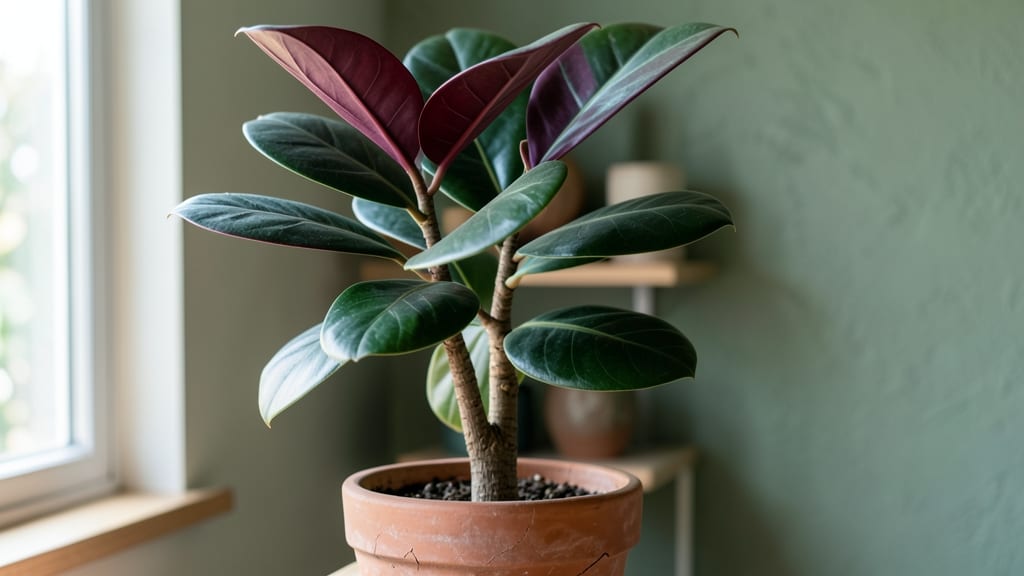
Wondering how tall your rubber plant 🌿 could grow if you gave it the perfect conditions? The answer might surprise you—some varieties stretch toward the ceiling while others stay compact, all thanks to a few simple care tweaks you can start today.
Rubber plants (Ficus elastica) are known for their dramatic height potential, but their growth depends on more than just time. Whether you're dealing with a dwarf variety or a standard type, understanding light exposure, pruning habits, and soil quality can turn a leggy stem into a lush, manageable houseplant.
Let’s break down exactly what influences their height—and how to keep yours at your ideal size.
If you’ve ever pruned back overgrowth only to see new shoots shoot up faster than expected, you’re not alone. The key to controlling height lies in balancing growth stimuli with regular maintenance.
I’ll share the proven methods that work, so you can enjoy a rubber plant that fits your space—whether that’s a 3-foot countertop statement or a towering 10-foot indoor tree.
Ready to stop guessing and start growing? By the end of this guide, you’ll know exactly how to nurture your rubber plant for the perfect height—no matter which variety you’ve got.


Rubber plant height by variety: how tall each type grows indoors
Rubber plants (Ficus elastica) are prized for their bold foliage and adaptability, but their mature height can vary dramatically depending on the variety you choose. Some stay compact at 3 feet, while others reach towering 10-foot heights indoors.
The key lies in selecting the right cultivar and providing proper care to influence growth patterns.
If you're working with limited ceiling space, dwarf varieties like 'Robusta Compacta' are ideal—they top out around 3-5 feet with proper pruning. Meanwhile, standard types like 'Tineke' or 'Black Prince' can easily reach 6-10 feet indoors when given optimal conditions. Let's break down the height expectations for each popular variety.
| Variety | Mature Height Indoors | Growth Rate (Per Year) | Key Characteristics |
|---|---|---|---|
| Robusta Compacta | 3-5 ft | 6-12 in | Dwarf variety, glossy dark leaves, slow-growing |
| Tineke | 6-10 ft | 12-24 in | Variegated cream/yellow edges, fast-growing |
| Black Prince | 6-10 ft | 12-20 in | Deep purple-black leaves, standard growth |
| Burgundy | 5-8 ft | 10-18 in | Rich burgundy foliage, medium growth rate |
| Doescheri | 4-7 ft | 8-16 in | Variegated white/pink stripes, slow-moderate growth |
| White Knight | 5-9 ft | 10-20 in | Creamy white variegation, vigorous growth |
Notice how variegated varieties like 'Tineke' and 'White Knight' tend to grow faster and taller due to their higher light requirements. These plants need bright indirect light to maintain their striking foliage patterns, which naturally encourages vertical growth.
In contrast, solid-colored varieties like 'Robusta Compacta' grow more slowly and stay compact even with minimal pruning.
Your rubber plant's height isn't just about genetics—it's also about how you train it. For example, if you want to keep a 6-foot variety like 'Black Prince' from becoming a ceiling hazard, you can prune it aggressively every 6-12 months.
This encourages bushier growth and prevents leggy stems. I've seen 'Black Prince' plants maintained at just 4 feet through consistent pruning and proper light placement.
The first year of growth is crucial for setting your rubber plant's future height trajectory. Seedlings typically reach 1-2 feet in their first year, but their growth rate can triple in subsequent years with proper care.
For instance, a 'White Knight' might grow only 6 inches its first year but 18-24 inches in its second year when given optimal conditions. This rapid growth phase is when most rubber plants reach their mature height potential.
One common misconception is that all rubber plants will reach 10 feet indoors. In reality, only 20-30% of varieties naturally grow that tall without intervention. Most standard varieties top out at 5-7 feet when given average care.
The real height of your rubber plant depends on three factors: genetics, light exposure, and pruning habits. I'll cover how to control these factors in the next section to keep your plant at your desired height.
If you're considering purchasing a rubber plant specifically for height control, I recommend starting with 'Robusta Compacta' or 'Burgundy' varieties—they're far more forgiving for beginners and less likely to outgrow their space.
For those with higher ceilings or who enjoy the challenge of managing tall plants, 'Tineke' offers stunning visual rewards with its variegated foliage, though it requires more attentive care to maintain its height.
Remember that rubber plants are slow to mature compared to many houseplants. It can take 3-5 years for a standard variety to reach its full height potential.
Patience is key—don't be tempted to over-prune young plants, as this can stunt their natural growth patterns and affect their ability to reach mature size.
For visual reference, imagine your rubber plant's height in relation to common household objects: a 3-foot plant reaches about countertop height, while a 6-foot specimen towers like a small floor lamp.
This perspective helps when selecting a variety that will fit your space while still providing the visual impact you desire.
Factors that control rubber plant height: pruning, light, and care
Your rubber plant’s final height isn’t just about its variety—it’s also about the care choices you make daily. I’ve seen Ficus elastica plants grow from 3 feet to nearly 10 feet indoors, all thanks to small adjustments in light exposure, pruning habits, and container size.
Let’s break down the key factors that shape your plant’s vertical growth.
The light level you provide is the #1 growth controller. Rubber plants crave bright indirect light—think east or north-facing windows. Too little light? Your plant will stretch leggily toward any available source, reaching 6+ feet in just a year.
Too much direct sun? The leaves may scorch, slowing vertical growth. Rotate your pot every few weeks to ensure even light exposure.
Pruning isn’t just for shaping—it’s a growth hack. When you trim leggy stems just above a leaf node, you trigger new side branches, which slows vertical growth and creates a fuller plant.
I prune my 10-foot rubber plant twice a year: once in spring to encourage bushiness and again in fall to remove yellowing leaves. Always use sterilized scissors to prevent disease.
The pot size you choose directly impacts height. Rubber plants in too-large containers focus energy on root expansion rather than vertical growth, often resulting in shorter, bushier plants. For taller growth, use a narrow, deep pot (1-2 inches wider than the root ball).
If you want a stockier plant, opt for a wide, shallow pot and prune regularly.
Don’t overlook fertilizer timing. A balanced 10-10-10 fertilizer applied every 4-6 weeks during spring and summer fuels faster growth. But here’s the catch: over-fertilizing can cause salt buildup in the soil, which stunts growth.
Always water thoroughly after fertilizing to rinse excess nutrients away. In fall and winter, let your plant rest—skip fertilizing entirely.
Finally, temperature and humidity play subtle but critical roles. Rubber plants thrive in 65-80°F ranges and 40-50% humidity. Drafty windows or heating vents can cause stunted growth or leaf drop.
If your home is dry, use a pebble tray or humidifier near your plant. I’ve noticed my variegated varieties grow 20% faster when humidity stays above 45%.