
Plants
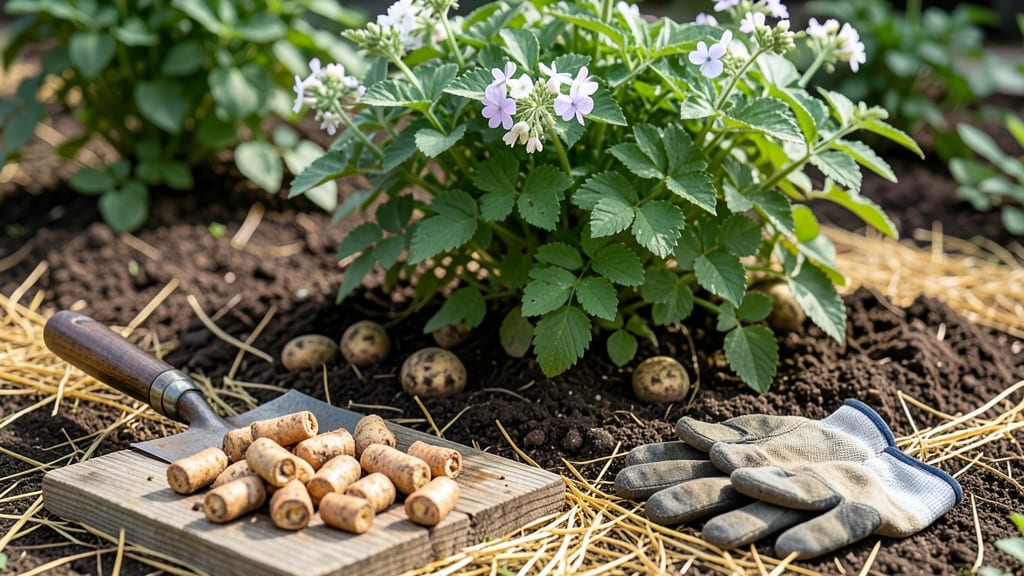
Planting potatoes in Texas isn't just about grabbing a bag of seed potatoes and sticking them in the ground—it's about mastering the perfect timing to beat the heat, avoid frost, and maximize your harvest.
Whether you're in frost-prone North Texas or balmy South Texas, getting the timing wrong can mean the difference between a bumper crop of 🥔 and a total flop.
In Zones 8a-8b, like Dallas or Fort Worth, your window is tight—late February to early March for spring plantings, with a second chance in September for fall harvests. Skip this timing, and you risk losing your crop to late frosts or sweltering summer heat.
Meanwhile, gardeners in Zones 9a-10b, like Houston or San Antonio, can plant as late as October and still enjoy harvests in December or January.
But here's the catch: even in Texas, not all potatoes are created equal. Some varieties thrive in the cooler spring months, while others handle the fall heat like a champ.
I'll break down the best varieties for your zone, share foolproof planting schedules, and reveal the most common mistakes that send Texas gardeners back to the store for more seed potatoes.
Ready to grow a crop that'll make your neighbors green with envy? Let's dive into the exact timing, soil secrets, and heat-hacking tips that'll turn your Texas garden into a potato powerhouse—no matter where you live in the Lone Star State.
Texas potato planting calendar by USDA hardiness Zones (when to start in each region)
Texas spans 10 USDA hardiness zones (6a-9b), meaning the best planting times for potatoes vary wildly—from February in North Texas to September in South Texas. Understanding your zone’s last frost date and soil temperature thresholds (45°F minimum) is critical to avoid failed crops.
Let’s break it down by region so you can plant with confidence.
In North Texas (Zones 7b-8b), like Dallas and Fort Worth, your last frost typically falls around February 15. This means you should plant seed potatoes 4-6 weeks before—so aim for late January to early February.
For Central Texas (Zones 8a-8b), including Austin and San Antonio, push planting to late February to avoid late frosts that can linger into March.
South Texas (Zones 9a-10b), where Houston and Beaumont garden, has a completely different schedule. Here, fall planting (September-October) is your best bet to harvest before winter rains arrive.
Spring planting is risky due to high summer heat, which stresses potatoes. Even in these warmer zones, soil temps must stay below 85°F for optimal tuber formation.
🌱
Texas Potato Planting Schedule by USDA Zone
| USDA Zone | Region Examples | Last Frost Date | Ideal Planting Window | Soil Temp Threshold | Harvest Window |
|---|---|---|---|---|---|
| 6a-7a | Panhandle (Amarillo) | March 1 | Late March | 45°F+ | June-July |
| 7b-8a | North Texas (Dallas) | February 15 | Late Jan-Early Feb | 45°F+ | May-June |
| 8b | Central Texas (Austin) | February 28 | Late Feb | 45°F+ | May-June |
| 9a | East Texas (Tyler) | January 15 | Fall: Sept-Oct | 50°F+ | Dec-Jan |
| 9b-10a | South Texas (Houston) | December 15 | Fall: Sept-Early Oct | 55°F+ | Nov-Jan |
Pro Tip: Use black plastic mulch in cooler zones to warm soil faster. In South Texas, prioritize heat-tolerant varieties like 'Yukon Gold' or 'Red LaSoda'.
One common mistake is planting too early in North Texas and risking frost damage. For example, if you plant in December in Zone 8a, a 20°F dip in January can kill your crop. Instead, wait until soil temps are consistently above 45°F—usually mid-February.
In South Texas, the opposite risk exists: planting in April means your potatoes will struggle with 90°F+ soil temps, leading to poor tuber formation.
For gardeners in transition zones (8a-8b), like Waco or College Station, consider two plantings: one in late February for a May-June harvest, and another in early September for a December-January harvest.
This double-crop strategy ensures a steady supply of fresh potatoes year-round. Just be sure to use well-draining soil—Texas clay can suffocate roots if not amended with compost.
🌡️
If you’re unsure about your last frost date, check the Texas A&M AgriLife Extension maps or use a frost calendar app. For urban gardeners in cities like San Antonio or El Paso, microclimates can shift frost
How to extend your Texas potato growing season (tips for early/late planting success)
Texas gardeners in Zones 9a-10b know the struggle—spring planting means baking your potatoes in summer heat, while fall plantings often get crowded out by holiday prep. But with the right strategies, you can push those planting windows and enjoy fresh potatoes nearly year-round.
The key? Frost protection, heat-tolerant varieties, and smart timing for second plantings.
For early spring plantings in North Texas, use black plastic mulch to warm the soil by 10-15°F—this lets you plant 4-6 weeks earlier than usual. In South Texas, row covers can shield fall plantings from unexpected light frosts (like those December surprises in Zone 9a).
I’ve even seen gardeners use cold frames to coax potatoes in January for a March harvest.
Here’s my top 3 heat-tolerant varieties for Texas gardeners who want to bend the rules:
- 🌡️ Yukon Gold – Handles 90°F+ temps better than Russets, with creamy texture perfect for Texas summers. Plant in late March for a June harvest before the real heat hits.
- 🌿 Red Pontiac – Disease-resistant and thrives in fall when nights cool. Ideal for September plantings in South Texas for a December harvest.
- 🌱 Sweet Potato (Yes, They’re Tubers Too!) – Not a true potato, but heat-loving and perfect for South Texas gardens. Plant slips in April-May for a fall harvest.
For continuous harvests, time a second planting 2-3 weeks after your first. If you plant early March and again in mid-April, you’ll stagger harvests from May through July.
In South Texas, a September planting followed by an October one gives you potatoes in December and January—just in time for holiday feasts!
One game-changer I’ve used is drip irrigation on a timer. Potatoes hate wet feet but need consistent moisture, especially during tuber formation. Set your system to run early morning for 20-30 minutes daily—this keeps soil evenly moist without drowning the plants.
Pair this with straw mulch to retain moisture and suppress weeds, and you’ve got a low-maintenance potato patch that outperforms the neighbors’. 🌱
Don’t let Texas’ extreme heat or unpredictable frosts stop you from growing potatoes. With these season-extending tricks, you can turn your garden into a year-round potato factory, no matter which zone you’re in.
The secret? Plan ahead, choose the right varieties, and protect your plants—then sit back and enjoy the harvest! 🥔