
Plants
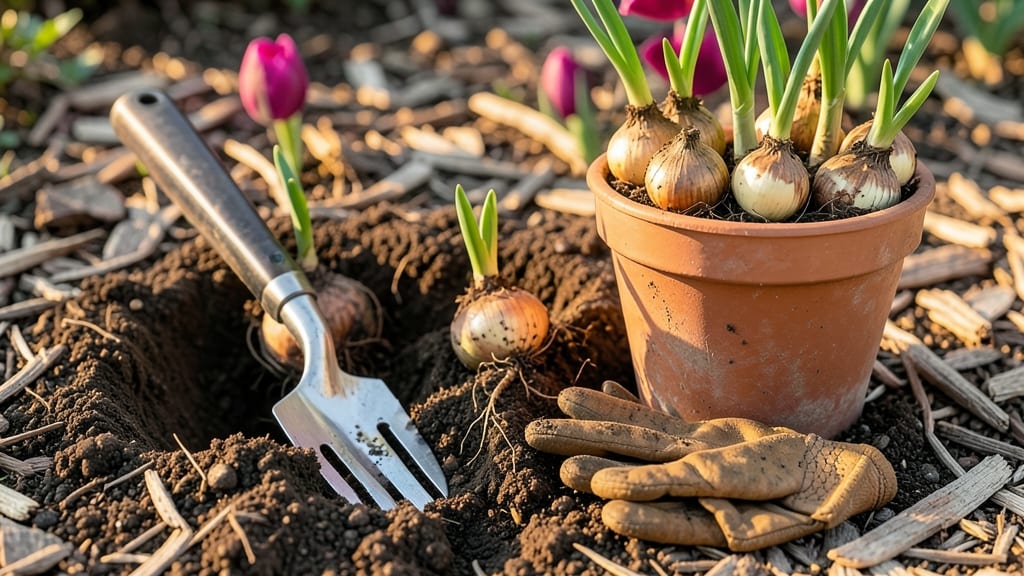
Planting your potted tulips 🌷 in the ground at the right time means the difference between a showstopping spring display and disappointment. The key isn't just waiting for warm weather—it's about soil temperature, frost dates, and understanding your local climate's quirks.
Most gardeners know spring is the prime window, but did you realize fall planting actually gives your tulips a head start? In USDA Zone 6a, aim for September to November or March to April—but here's the catch: soil needs to be 40-50°F before you dig.
Too early, and your bulbs may rot; too late, and they won't establish roots in time.
I've learned the hard way that ignoring frost warnings can mean wilted leaves or no blooms at all. The secret is checking your last frost date and waiting 4-6 weeks before planting—whether you're transplanting store-bought bulbs or garden-grown ones.
Let me show you exactly how to time it right for your region.
From testing soil temperature with a simple thermometer to adjusting for early frosts, I'll walk you through every step. By the end, you'll know exactly when to plant those potted tulips for zero-frost success—no guesswork, just vibrant spring color.
Optimal soil temperature for planting potted tulips: the exact degree range
Timing your potted tulip transplant hinges on soil temperature, not just calendar dates. Tulips thrive when soil reaches 40-50°F (4-10°C)—this warmth signals their roots to establish without freezing. Planting too early in cold soil stresses bulbs, while waiting too long risks missed bloom cycles.
Why this range? Tulip bulbs are hardy perennials that need consistent moisture and warmth to break dormancy. Below 40°F, roots grow sluggishly; above 50°F, they may overheat in pots before transplanting. Your goal: balance chill and warmth for root development.
Here’s how to test soil temperature accurately: Use a soil thermometer (insert 4-6 inches deep) or the DIY finger test. Press your finger into the soil—if it feels cool but not icy, it’s likely in the ideal zone.
Avoid guessing; cold soil stunts growth, while overly warm soil can cause rot.
Regional tweaks matter! In USDA Zones 3-5, aim for 40-45°F (late April-early May). Zones 6-10 can wait until 45-50°F (March-April). Always check local frost dates—planting after the last frost ensures roots aren’t shocked by a late freeze.
Pro tip: Pre-warm potted tulips if your soil runs cold. Place pots in a sunny, sheltered spot for 1-2 weeks before transplanting. This mimics spring conditions and jumpstarts root growth. Avoid direct heat sources like radiators, which can overstress bulbs.
| Condition | Specification | Action |
|---|---|---|
| Soil Temp (Ideal) | 40-50°F (4-10°C) | Plant when consistent for 3+ days |
| Soil Temp (Too Cold) | Below 40°F (4°C) | Delay planting; risk of root rot |
| Soil Temp (Too Warm) | Above 50°F (10°C) | Pre-warm pots; monitor for wilting |
| Frost Risk | After last frost date | Use frost cloth if late frosts expected |
| Potting Mix Temp | Match soil temp | Avoid temperature shock during transplant |
Mulching after transplanting helps regulate soil temperature. Apply 2-3 inches of mulch (straw or shredded leaves) to insulate roots. This is especially critical in Zone 4 and colder, where nighttime temps can drop rapidly. Mulch also retains moisture, reducing stress during root establishment.
Watch for yellowing leaves post-transplant—a sign of temperature shock. If this happens, trim affected foliage and water deeply to encourage root recovery. Avoid fertilizing until new growth appears; bulbs need energy to adapt to their new home, not feed.
For container-grown tulips, harden them off first. Move pots outdoors during the day for 3-5 days before permanent planting. This acclimates roots to outdoor conditions, reducing transplant shock. Skip this step, and you risk stunted blooms or bulb rot.
Remember: Soil temperature > calendar dates. Use a thermometer, not a guess, to time your transplant. Patience here pays off with healthier bulbs and longer-lasting blooms next spring. 🌷
Best time to transplant potted tulips by climate Zone: USDA map guide
Your local USDA zone determines the perfect window for planting potted tulips 🌷. In Zone 3-5, aim for early September to mid-October—before the ground freezes.
Meanwhile, gardeners in Zones 6-10 have more flexibility, with ideal times stretching from late October to early December for fall planting or March to April in spring.
For spring planting, always wait until after your last frost date. In Zone 6a, that’s typically April 15, but check your local weather patterns—some years frost lingers until May. The key is ensuring soil stays above 40°F for at least two weeks post-planting.
Here’s how to adjust for unpredictable climates: If early frosts threaten, use a cold frame or mulch heavily (3-4 inches of straw). In warmer zones like Zone 9-10, you can plant as late as January, but avoid soggy soil—tulips hate waterlogged roots.
| USDA Zone | Fall Planting Window | Spring Planting Window | Soil Temp Requirement |
|---|---|---|---|
| 3-5 | Early Sept–Mid-Oct | After May 15 | 40-50°F |
| 6-8 | Late Oct–Early Dec | March–April | 45-55°F |
| 9-10 | Jan–Feb | Feb–March | 50-60°F |
Pro tip: Use the 50°F rule as your guide. If your soil hasn’t warmed to this temperature by your zone’s ideal window, delay planting. A soil thermometer ($10 at garden centers) is worth its weight in gold—just bury it 6 inches deep for accurate readings.
For container-grown tulips, spring planting works best because potted bulbs often struggle to establish roots in cold fall soil. If you’re transplanting in spring, harden off your potted tulips for 7-10 days by placing them outside during the day and bringing them in at night.
Remember: Tulips planted in fall bloom earlier the next spring, while spring-planted bulbs may take an extra year to flower. Choose your timing based on whether you prioritize immediate color or long-term garden impact.