
Companion Plants
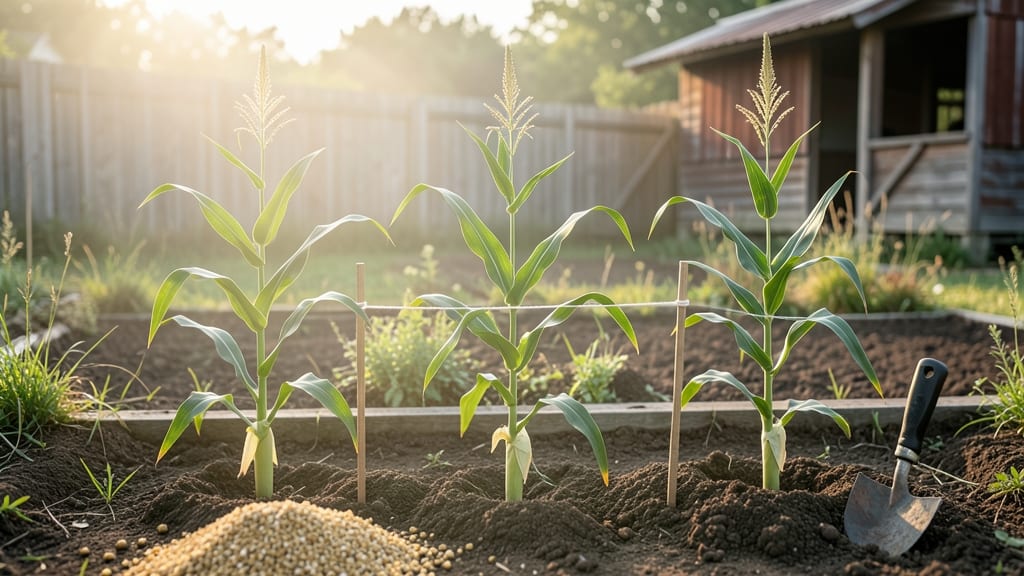
Planting corn in Pennsylvania at the wrong time can mean the difference between a bountiful harvest and a sad, wilted 🌽 disappointment. The key isn't just waiting until April—it's understanding when your soil is actually warm enough for those seeds to sprout quickly and consistently.
Most gardeners in zones 5b-7a wait until after the last frost, but that's not the whole story. Soil temperatures need to hit at least 50°F—and ideally 60°F—before you even think about dropping seeds into the ground.
In southern PA, that could mean planting as early as late March, while northern regions might need to wait until May.
I've learned the hard way that planting too early leads to slow germination, weak seedlings, and even rot. But with the right timing—and a few pro tips for cooler springs—you can get your corn off to a fast start, no matter where you are in the state.
Let's break down exactly when to plant in your specific corner of PA, plus how to adjust for those tricky microclimates that make gardening here so fascinating. Your summer ears are waiting!
Ideal soil temperatures for planting corn in Pennsylvania
Corn seeds need warm soil to germinate quickly, and Pennsylvania’s spring can swing from freezing to summer-like in weeks. The sweet spot for planting is when soil temperatures reach 50°F–60°F at a depth of 2 inches.
Below 50°F, germination slows dramatically, while above 60°F, seeds may sprout too fast and rot in cold, wet soil.
Use a soil thermometer to check daily—morning readings are most accurate. In southeastern PA, this often happens by mid-April, while northwest zones may wait until late May. If your soil is still cold, don’t rush—waiting a week can mean the difference between 90% germination and 30%.
Corn roots are shallow, so focus on warming the top 4–6 inches of soil. Black plastic mulch or clear plastic tunnels can raise soil temps by 5–10°F, letting you plant earlier. Just remove the mulch once plants emerge to avoid overheating.
Another trick? Plant early-maturing varieties like ‘Silver Queen’ (65 days) or ‘Early Sunglow’ (70 days) in cooler zones. These tolerate slightly cooler soils and still deliver sweet ears. For standard varieties like ‘Golden Bantam’, wait until soil hits 55°F+ for best results.
🌱
| Soil Temp Range | Germination Speed | PA Zone Timing | Risk Level |
|---|---|---|---|
| Below 50°F | Very Slow (10+ days) | Avoid planting | High (rot, poor germination) |
| 50°F–55°F | Slow (7–10 days) | Late April (SE PA) | Moderate (use mulch) |
| 55°F–60°F | Moderate (5–7 days) | Mid-April (SE) to May (NW) | Low (ideal range) |
| Above 60°F | Fast (3–5 days) | Late May (NW PA) | Low (but watch for drought) |
If your soil is too cold but you’re eager to plant, try seed warming techniques. Soak seeds in warm water (80°F) for 12 hours before planting, or use a seedling heat mat under your starter tray. Just don’t overdo it—seeds need consistent moisture, not just heat.
One common mistake? Planting too early based on air temperature instead of soil temp. A 50°F morning might feel spring-like, but if the soil is still 45°F, your seeds will languish. Always dig down 2 inches to check—your hands aren’t reliable for this.
For container gardening, use black pots to absorb sunlight and warm faster. Place containers on south-facing surfaces or under grow lights to maintain 60°F+ soil temps. Just ensure pots have drainage—waterlogged roots are just as deadly as cold soil.
💧
PA-specific planting windows by microclimate zone
Pennsylvania's three distinct gardening zones—Southeast, Central, and Northwest—each have unique frost patterns and soil warming rates. While the last average frost in Philadelphia typically arrives by April 15, Scranton might still see frost in May.
These differences mean your corn planting window could shift by 4-6 weeks depending on where you live.
For 2024, NOAA forecasts warmer-than-average springs across most of PA, which could push planting windows 1-2 weeks earlier than historical averages. However, elevation changes—like those in the Poconos—can still create microclimates where soil warms 2 weeks slower than valley regions. Always verify soil temperatures before planting!
Here’s your zone-by-zone breakdown, including ideal planting months, soil temperature triggers, and last-frost averages to help you time your corn perfectly for your microclimate:
If you’re in the Southeast, you can start sweet corn varieties like 'Silver Queen' as early as late March under black plastic mulch to jumpstart growth. Meanwhile, gardeners in the Northwest should wait until soil reaches 60°F consistently—often not until late April or May—to avoid slow germination.
Pro tip: Use a soil thermometer to confirm readiness. Corn seeds won’t sprout reliably below 50°F, and waiting for 60°F+ can cut germination time in half.
In 2024, I recommend planting early varieties like 'Ambrosia' in the Southeast by April 1 and longer-season varieties like 'Peaches and Cream' in the Northwest by May 15.
Remember, elevation matters! Even within zones, a 1,000-foot elevation gain can delay planting by 1-2 weeks. For example, Pittsburgh’s South Hills (lower elevation) may align with Central PA’s schedule, while Mountain Top (higher elevation) could mirror Northwest timelines. Always adjust for your specific microclimate.