
Plants
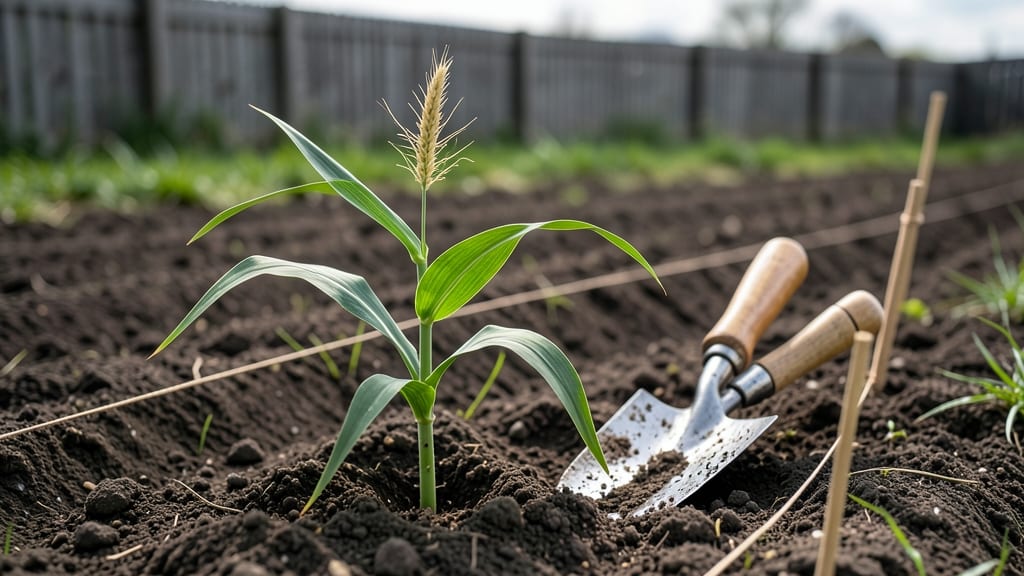
Planting corn in Tennessee at the wrong time can mean the difference between a bumper crop of sweet 🌽 and a sad, wilted disappointment.
With USDA Zone 7b's warm springs and long summers, timing your corn planting just right is the key to avoiding frost damage and maximizing those juicy kernels.
Most gardeners in Tennessee wait until after the last frost—typically mid-April to early May—but soil temperature matters just as much. Corn thrives when the ground reaches a steady 60°F+, which usually happens by late April or early May, depending on your region.
Whether you're in the hills of East Tennessee or the flatter lands of the Middle, getting this right ensures your corn grows strong and tall.
Direct sowing is the preferred method for Tennessee gardeners, but if you're transplanting, you’ll need to time it perfectly to avoid stunted growth. I’ll break down the exact frost dates by county, soil prep tips, and even how to use companion plants to give your corn an extra boost.
Let’s make sure your corn season is one for the books!
From choosing the right varieties to adjusting for microclimates, this guide covers everything you need to know. By the end, you’ll be ready to plant with confidence—no more guessing games. Let’s get growing!
Best planting dates for corn in Tennessee (Zone 7b guide)
Corn thrives in Tennessee’s USDA Zone 7b, where warm springs and long summers create ideal conditions—but only if you plant at the right time. The key is soil temperature, not just air temperature.
Corn seeds need soil that’s at least 60°F (15°C) to germinate consistently. In most of Tennessee, this happens between mid-April and early May, but exact dates vary by region.
For East Tennessee (higher elevations like Knoxville or Chattanooga), aim for late April to early May to avoid late frosts. Middle Tennessee (Nashville area) can start as early as mid-April, while West Tennessee (Memphis) may even see early April plantings in sheltered microclimates.
Always check your local last frost date—most Tennessee counties experience their final frost between March 15 and April 15.
Corn is best planted directly in the garden, not as transplants, because its roots are delicate. If you’re using black plastic mulch (a game-changer for Tennessee’s unpredictable springs), you can plant 2-3 weeks earlier to warm the soil faster.
For organic gardeners, wait until soil is consistently above 60°F for a week before sowing.
Here’s your Zone 7b planting timeline for sweet corn, broken down by region and soil prep:
| Region | Ideal Planting Window | Soil Temp Requirement | Last Frost Date | Notes |
|---|---|---|---|---|
| East TN (Knoxville, Chattanooga) | Late April - Early May | 60°F+ for 7+ days | April 1-15 | Use mulch for earlier starts |
| Middle TN (Nashville, Murfreesboro) | Mid-April - Late April | 60°F+ for 5+ days | March 20 - April 5 | Plant in blocks, not rows |
| West TN (Memphis, Jackson) | Early April - Mid-April | 58°F+ for 7+ days | March 10 - March 25 | Sandy soil? Add compost |
| All Regions (Succession Planting) | Every 2-3 weeks until July | N/A (for later plantings) | N/A | Choose shorter varieties for late plantings |
Pro tip: Tennessee gardeners often plant corn in blocks (not rows) to ensure good pollination. For every 100 square feet, plant 11-12 seeds in a 4x4 grid.
This method boosts yields by 20-30% compared to single rows. If you’re growing multiple varieties, plant them in separate blocks to avoid cross-pollination.
For succession planting, make 2-3 additional plantings every 2-3 weeks until early July. This stretches your harvest from mid-July to September. Just remember: corn planted after July 15 in Tennessee may not mature before the first fall frost, especially in higher elevations.
Use short-season varieties (like ‘Silver Queen’) for late plantings.
One common mistake Tennessee gardeners make is planting corn too late to avoid frost, only to watch their plants struggle with stalk rot or earworm damage in hot summer weather.
If you’re unsure about your local frost dates, check the UT Extension’s frost calendar or use a soil thermometer to confirm readiness. Planting at the right time isn’t just about avoiding frost—it’s about giving your corn enough growing degree days to mature properly.
Finally, if you’re in a microclimate (like a south-facing slope or urban garden with heat islands), you can push planting dates 1-2 weeks earlier. Conversely, valley areas may need to wait until mid-May to avoid late frosts.
Always observe your garden’s unique conditions for 3+ years to refine your planting schedule.
Best planting dates for corn in Tennessee (Zone 7b guide)
Tennessee’s USDA Zone 7b offers a generous 180-210 frost-free days, but corn needs precise timing to thrive. The ideal soil temperature for planting is 60°F or warmer, which typically arrives in late April to early May across most of the state.
In East Tennessee (higher elevations), aim for mid-May to avoid late frosts, while West and Middle Tennessee can plant as early as late April.
Corn is a warm-season crop that bolts if exposed to frost, so always check your local last frost date—Nashville’s average last frost is April 15, while Chattanooga’s is April 22.
For a reliable harvest, plant when nighttime temperatures stay above 50°F consistently. Use a soil thermometer to confirm readiness; corn seeds won’t germinate below 55°F.
| Region | Last Frost Date | Ideal Planting Window | Soil Temp Goal |
|---|---|---|---|
| East TN (e.g., Knoxville) | April 22 - May 5 | Mid-May | 60°F+ |
| Middle TN (e.g., Nashville) | April 15 - April 25 | Late April | 60°F+ |
| West TN (e.g., Memphis) | March 25 - April 10 | Late April | 55°F+ |
For maximum yields, plant corn in successive batches every 2 weeks to stagger harvests. This ensures a continuous supply of fresh ears from mid-July to September.
If you’re growing heirloom varieties with longer maturity times (e.g., 90+ days), start your first planting in early May to avoid missing the harvest window before fall frosts arrive.
Corn thrives in full sun (6-8 hours daily), so choose a south-facing plot with well-draining soil. Amend heavy clay soils with compost or sand to improve aeration.
In urban gardens, use raised beds with black plastic mulch to warm the soil faster and retain moisture—critical for early plantings in cooler microclimates.
Pro tip: If your soil is still cold in late April, cover it with clear plastic sheeting for 1-2 weeks before planting. This speeds up warming by 10-15°F, creating ideal conditions for germination.
Always plant 1 inch deep and 12 inches apart in rows 30 inches apart to allow for proper air circulation and pollination.
Missed the spring window? Tennessee’s mild winters allow for late summer plantings in August for a fall harvest, but choose fast-maturing varieties (60-70 days) like ‘Silver Queen’ or ‘Peaches and Cream’.
Just be sure to harvest before the first frost, which typically hits November 1-15 in Zone 7b.