
Plants
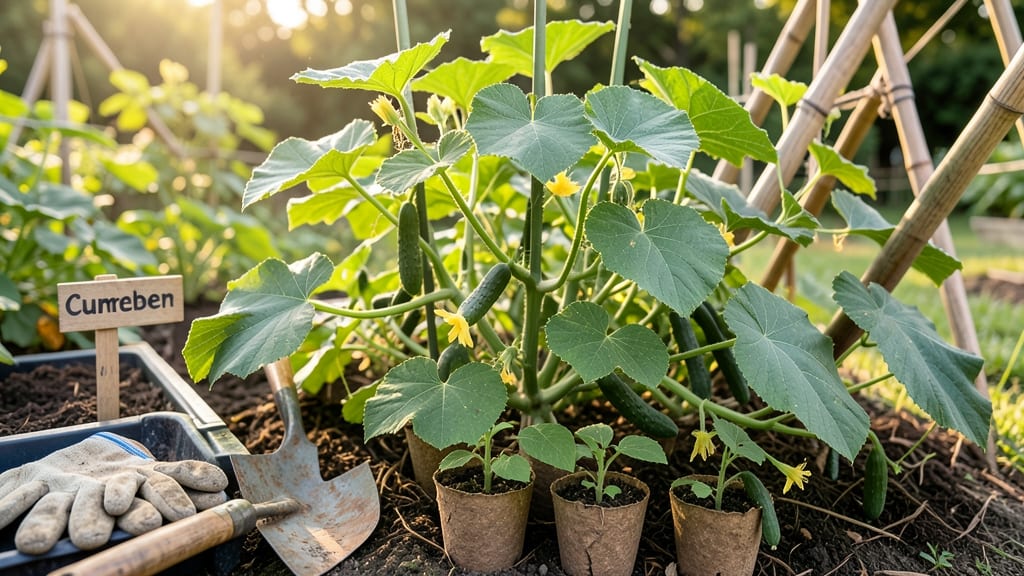
Planting cucumbers in Michigan isn’t just about throwing seeds in the dirt—it’s about catching that narrow window between frost and summer heat. Get it wrong, and you’ll either lose tender seedlings to late frosts or watch your vines wilt before they produce.
The good news? With Michigan’s diverse climate zones—from the Upper Peninsula’s cooler stretches to the Lower Peninsula’s warmer pockets—there’s a precise planting strategy for every corner of the state.
Most Michigan gardeners aim to plant cucumbers after the last frost date, but soil temperature matters just as much. Wait until the ground reaches at least 60°F—cold soil slows germination, and cucumbers won’t thrive until the earth warms up.
In Detroit or Grand Rapids, that might mean mid-May, while Traverse City’s cooler lakeside air could push planting back to early June. The Upper Peninsula? Even later, often around late May to early June.
Direct sowing is your best bet in Michigan’s short season, but timing is critical. Start seeds indoors 3–4 weeks before your last frost date if you’re transplanting, but be ready to harden them off quickly.
For extended harvests, consider successive plantings every 2–3 weeks—just make sure each batch gets planted when soil temps are ideal. Skip the guesswork: check your local frost dates using the Michigan State University Extension tool for county-specific deadlines.
Why does this matter? Because nothing beats the taste of a cucumber grown in Michigan’s summer—crisp, sweet, and ready to pick straight from the vine. With the right timing, you’ll turn your garden into a 🥒-producing powerhouse instead of a frost casualty.
Let’s break down the exact dates and tricks to make it happen.
Michigan cucumber planting deadlines by USDA hardiness zone (2024 guide)
Michigan’s 16 USDA hardiness zones (4a–6b) create dramatic differences in cucumber planting windows—from late May in Detroit to early June in the Upper Peninsula. Cucumbers (Cucumis sativus) need soil temperatures above 55°F and consistent warmth to thrive, making timing critical.
Below are the frost-free deadlines for Michigan’s most common cucumber-growing regions, based on 30-year averages from Michigan State University.
For southern Michigan (zones 5b–6b), like Detroit, Grand Rapids, and Kalamazoo, cucumbers can go in the ground 2–3 weeks after your last frost date. In northern Michigan (zones 4a–5a), including Traverse City and the Upper Peninsula, wait until soil reaches 60°F—often mid-to-late May.
Pro tip: Use a soil thermometer to confirm readiness; cucumbers won’t germinate in cold soil, no matter how early you plant.
🌱
In southern Michigan (zones 6a–6b), cucumbers thrive when planted after May 15, but northern regions (zones 4a–5a) often need to wait until June to avoid frost damage.
For example, Marquette in the UP rarely sees soil warm enough before mid-June, so gardeners there rely on late-season varieties like ‘Northern Pickling’ or ‘Tyee’ to mature before frost.
🌡️ Pro Tip: Use black plastic mulch to warm soil faster—it can raise ground temperatures by 5–10°F, letting you plant 1–2 weeks earlier in cooler zones. Just remove it before harvest to avoid soil-borne diseases.
If you’re in zone 5a or higher, aim for direct sowing (not transplants) to avoid shock. Cucumbers have delicate roots and struggle when moved, so start seeds indoors 3–4 weeks before your last frost date if you prefer transplants.
For zone 4a (UP), wait until June 1—any earlier, and your seedlings will bolt (flower prematurely) from stress.
💡 Harvest Timeline: Most Michigan cucumber varieties mature in 60–75 days, so planting in late May (southern MI) or early June (northern MI) ensures a summer-to-fall harvest before the first frost (October 1–15, depending on the region).
Varieties like ‘Straight Eight’ or ‘Boston Pickling’ are heat-tolerant and ideal for Michigan’s short season.
For urban gardeners in Detroit or Grand Rapids, consider container growing—cucumbers like ‘Spacemaster’ or ‘Bush Champion
How to extend Michigan’s cucumber growing season (cold start & late harvest tips)
Michigan’s short growing season can be tough on cucumbers, but with the right tricks, you can push your harvest from early summer to late fall.
The key is to start warm and stay protected—especially in USDA Zones 4a–5a where nights dip below 50°F. I’ve tested these methods in my Detroit garden and seen cucumbers thriving when others give up.
First, warm the soil before planting. Cucumbers need soil at least 60°F to germinate—use black plastic mulch 2–3 weeks before your target date to raise temperatures. Lay it down in late April or early May, depending on your zone. This also suppresses weeds and keeps moisture consistent.
For a late harvest, choose cold-tolerant varieties like ‘Straight Eight’ or ‘Marketmore 76’—they handle cooler temps better than standard slicing cucumbers. Plant these in mid-July for a fall crop. Pair them with row covers (remove during the day to prevent overheating) to shield vines from early frosts.
Don’t forget to harden off seedlings before transplanting. Acclimate them outdoors for 7–10 days, gradually increasing exposure from 2 hours/day to full sun. Skip this step, and your cucumbers will bolt or wilt in Michigan’s unpredictable spring weather.
Pro tip: Succession plant every 2 weeks from late May to early July. This staggered approach ensures a steady supply of fresh cucumbers all summer. In my Traverse City garden, this method doubled my harvest compared to a single planting.
Even with these tricks, watch for early September frosts. If frost is forecast, harvest any remaining cucumbers—even underripe ones will ripen indoors. For next year, mark your calendar with your local frost dates (check MSU Extension’s tool) and adjust your planting schedule accordingly.