
Plants
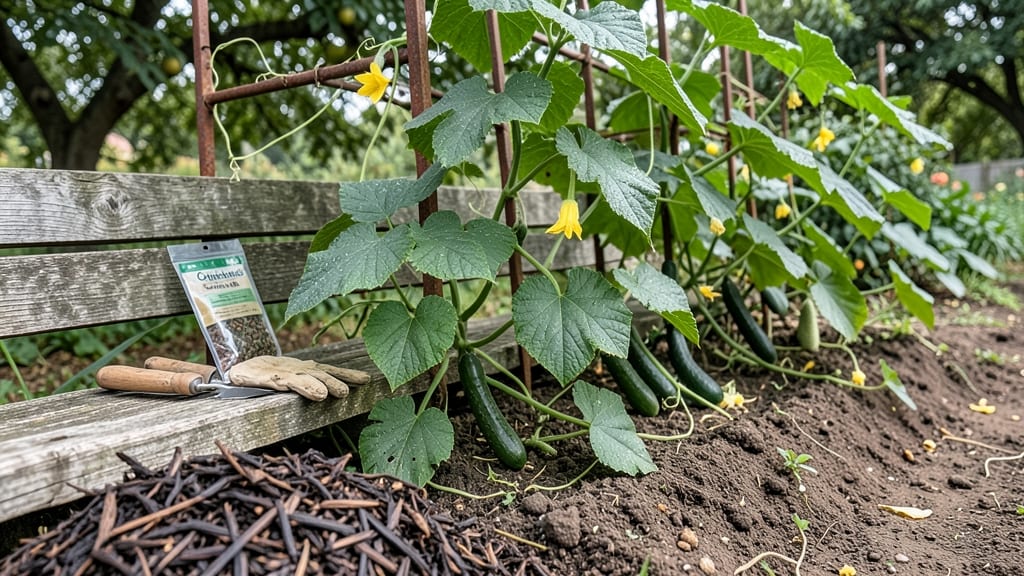
Planting cucumbers in Texas isn’t just about timing—it’s about outsmarting the heat and avoiding frost surprises that can ruin your harvest. Whether you're in frost-prone North Texas or the warm South Texas zones, knowing the right window makes all the difference for juicy, productive 🥒 plants.
Texas gardeners face unique challenges: late frosts in March can still threaten early plantings, while summer heat can stress cucumbers if they’re planted too soon. The key?
Start after your last frost date—around March 15 in North Texas or even earlier in Central Texas—but don’t wait too long, or you’ll miss the ideal spring growing window.
Here’s what you’ll discover: how to align your planting schedule with Texas’ heat zones, which cucumber varieties thrive in your specific region, and pro tips to extend your harvest through the summer months. With the right approach, you can enjoy fresh cucumbers from spring through fall.
Ready to grow cucumbers that actually survive Texas’ extremes? Let’s break down the perfect planting strategy so you can enjoy a bountiful harvest without the guesswork.
Texas heat-zone planting calendar for cucumbers: avoid frost and beat the heat
Texas' diverse heat zones mean your cucumber planting schedule should match your region. In North Texas (Zones 7b-8a), wait until mid-March after the last frost—typically around March 15.
Meanwhile, Central Texas (Zone 8a) gardeners can start as early as late February, while South Texas (Zones 9a-10a) enjoys a year-round growing season with rare frost risks.
Soil temperature is just as critical as air temperature. Cucumbers thrive when soil reaches 60°F or warmer. Use a soil thermometer to check—cooler soils delay germination. In cooler zones (North/Central Texas), warm your soil faster with black plastic mulch or raised beds.
This trick can shave off 2-3 weeks from your planting timeline.
Direct sowing is ideal for cucumbers, but transplants can give you a 2-week head start in cooler zones. Start seeds indoors 3-4 weeks before your last frost date if you prefer transplants. Just be gentle when transplanting—cucumbers have sensitive roots that hate disturbance.
Texas Cucumber Planting Guide by Heat Zone
| Heat Zone | Last Frost Date | Optimal Planting Window | Soil Temp Requirement | Key Tip |
|---|---|---|---|---|
| North Texas (7b-8a) | March 15 | Late March - Early April | 60°F+ | Use row covers for early starts |
| Central Texas (8a) | Feb 28 - Mar 15 | Late February - Early April | 60°F+ | Black plastic mulch warms soil faster |
| South Texas (9a-10a) | Jan 15 (rare) | Year-round (peak: Feb-Apr, Sep-Oct) | 65°F+ (avoid summer heatwaves) | Use shade cloth for summer planting |
| Mountain Regions (6a-7a) | April 15 | Late April - Early May | 65°F+ | Extend season with row covers |
For fall planting, aim for August-September in North/Central Texas to harvest before the first frost. In South Texas, you can plant year-round, but avoid peak summer months (June-August) when temperatures exceed 95°F. Instead, opt for early morning or late afternoon planting to reduce heat stress.
Succession planting is a game-changer in Texas. By sowing new seeds every 2-3 weeks through May, you'll enjoy a continuous harvest until frost. This works especially well in cooler zones where summer heat would otherwise shut down production.
In South Texas, stagger plantings in fall for a second harvest before winter.
Watch for soil moisture during germination—keep it consistently damp but not soggy. A light misting with a spray bottle works best until seeds sprout. Once seedlings emerge, water at the base to avoid wetting leaves, which can invite powdery mildew.
Mulch heavily with straw or grass clippings to retain moisture and regulate soil temperature.
Texas' summer heat can be brutal on cucumbers, but with the right timing, you'll beat the worst of it. Plant early spring for cooler conditions, and late summer/fall for a second harvest.
Use shade cloth (30-50%) if you must plant during peak summer to protect young plants from sun scorch and heat stress.
Don't forget to trellis your cucumbers—this improves airflow, reduces disease risk, and makes harvesting easier. In small spaces, choose bush varieties like 'Bush Champion' to save room. With these heat
5 Pro tips to extend your cucumber harvest in Texas’ extreme climate
Texas summers can turn cucumbers into wilting, bitter messes if you don’t adapt your growing strategy. The key to a long harvest? Beat the heat with these science-backed tactics that work in both North and South Texas.
Start by preparing your soil with compost and mulch to retain moisture—this is non-negotiable in our 100°F+ heat waves.
Next, consider succession planting every 2-3 weeks after your last frost date. This ensures you’re always harvesting fresh cucumbers instead of facing a one-time glut that spoils before you can enjoy it.
For example, if your last frost is March 15, plant seeds again in early April and May for a staggered harvest through September.
Don’t overlook shade cloth—a 30% shade cover can drop soil temperatures by 10-15°F, preventing heat stress. I’ve seen cucumbers thrive under shade in August that would’ve bolted without it.
Pair this with drip irrigation to keep leaves dry and reduce fungal diseases like powdery mildew, which loves Texas’ humidity.
Finally, monitor soil moisture like a hawk—cucumbers need 1-2 inches of water weekly, but Texas heat can evaporate that in hours. Use a soil moisture meter to check before watering; soggy soil leads to root rot, while dry soil causes blossom-end rot.
With these tips, you’ll turn Texas’ challenges into a continuous cucumber feast from spring to fall.
Pro tip: Keep a gardening journal to track what works in your microclimate. Note which varieties thrive, when you planted, and how often you harvested—this data is gold for next year’s zero-fail harvest.