
Plants
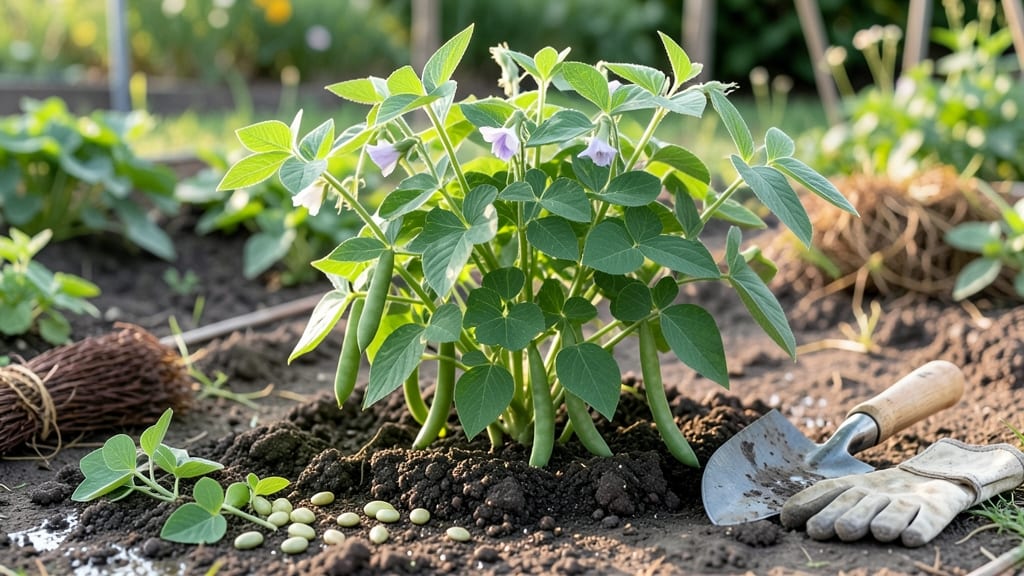
Planting green beans in Missouri at the wrong time means the difference between a bumper crop and a total bust—especially when frost dates shift between USDA zones 5b-6a.
You’ve got a narrow window to get seeds in the ground, and missing it could leave you with wilted plants or no harvest at all.
Most Missouri gardeners swear by the mid-April to early June window for spring plantings, but timing varies by region—St. Louis’s last frost often arrives weeks before Kansas City’s. The key? Waiting until soil temperatures hit at least 60°F and counting back 50-65 days to your first frost date.
Don’t stop there—fall plantings in late July or early August can stretch your harvest into October, but only if you choose the right varieties.
Whether you’re growing bush beans for easy picking or pole beans for vertical space, this guide breaks down the exact weeks to plant for maximum yields in your corner of Missouri.
Ready to avoid the common mistakes that sabotage green bean harvests? Let’s dive into the precise planting schedule and pro tips that’ll have your garden thriving—no guesswork required.
Missouri green bean planting schedule: exact weeks before last frost by region
Missouri’s diverse climate zones mean your green bean planting window varies by region—whether you're in St. Louis (Zone 6a), Kansas City (Zone 5b), or Columbia (Zone 6b).
The key is planting 2-3 weeks after your average last frost date, when soil temperatures hit 60°F or warmer. For most of Missouri, this falls between mid-April and early June for spring crops.
Northern Missouri gardeners (like those near St. Joseph) should wait until late April to early May, while southern areas (e.g., Poplar Bluff) can start as early as mid-April.
Always check your local USDA Plant Hardiness Zone for precision—Missouri spans Zone 5b to 6a, with microclimates adding nuance.
🌱 Did You Know? Missouri’s humidity and loamy soils create ideal conditions for green beans, but cool nights can stunt growth. Use black plastic mulch to warm soil faster in cooler zones.
🌱 Missouri Green Bean Planting Schedule by Region
| Region | Avg. Last Frost | Planting Window | Soil Temp. Goal | Notes |
|---|---|---|---|---|
| Northern MO (St. Joseph, Kirksville) | April 25-May 5 | May 10-June 1 | 60°F+ | Use row covers for early starts |
| Central MO (Columbia, Jefferson City) | April 15-25 | April 25-May 15 | 60°F+ | Ideal for bush varieties |
| St. Louis Metro | April 10-20 | April 20-May 10 | 60°F+ | Urban gardens benefit from containers |
| Kansas City Area | April 20-May 1 | May 1-May 15 | 60°F+ | Watch for late frosts |
| Southern MO (Springfield, Poplar Bluff) | March 25-April 10 | April 10-May 1 | 60°F+ | Longer growing season |
*Adjust for microclimates (e.g., hilltops freeze faster).
For fall harvests, aim to plant 80-90 days before your first frost (typically late July to early August). This gives beans time to mature before October’s average frost date. Use cold-tolerant varieties like 'Contender' or 'Blue Lake' for extended seasons.
Missouri’s loamy soils drain well but retain moisture—ideal for green beans. Before planting, amend with compost to boost organic matter. Test soil pH (6.0-7.0 is perfect) and add lime if needed. Direct sowing is best; seedlings struggle in Missouri’s humid summers.
Pro tip: Plant bush beans in early spring (they tolerate cooler soil) and pole beans in late spring for continuous harvests. Pole beans need trellises—install them at planting to avoid root disturbance. 🌿
Missouri’s variable weather means flexibility is key. Monitor 7-day forecasts and have row covers ready for unexpected 50°F nights. In Zone 5b areas, delay planting until after May 15 to avoid frost risk. 🌡️
Remember: Green beans hate cold soil. Use a soil thermometer to confirm 60°F+ before planting. If soil is cooler, wait or use black plastic mulch to warm it faster. Patience pays off—rushing leads to stunted plants or no harvest.
For container gardening (common in urban St. Louis), choose bush varieties in 5-gallon pots. Plant 2-3 seeds per pot and place in full sun. Containers warm up faster than ground soil, so you can start 1-2 weeks earlier than in-ground plantings. 🪴
How to extend green bean season in Missouri: succession planting and frost protection
Missouri’s short growing season doesn’t have to limit your green bean harvest. With succession planting and smart frost protection, you can stretch your harvest from early summer straight through fall.
The trick? Planting in two waves: the first right after your last frost, and a second crop in late July for a fall harvest.
Start your first planting 2-3 weeks after your average last frost date (typically mid-April to early May in most of Missouri). For a fall crop, aim for late July to early August, giving plants enough time to mature before the first frost in October.
This two-pronged approach ensures a steady supply of fresh beans all season long.
Don’t overlook cold-hardy varieties like 'Blue Lake Bush' or 'Kentucky Wonder'—these can tolerate cooler temperatures better than heat-sensitive types. Pair them with row covers or lightweight fabric to shield young plants from unexpected late frosts, especially in northern Missouri where chilly snaps linger longer.
🌱 Pro Tips for Extending Your Harvest
- 1. Plant every 2 weeks for continuous harvests—start with 4-5 plantings spaced 14 days apart.
- 2. Use black plastic mulch to warm soil faster and protect young seedlings from cold snaps.
- 3. Choose pole beans for fall plantings—they mature faster than bush varieties in cooler weather.
- 4. Harvest aggressively to encourage more pods; green beans produce best when picked frequently.
- 5. Monitor soil temps—wait until they’re at least 60°F for fall plantings to avoid slow growth.
If your fall crop faces early frost threats, don’t panic. A lightweight row cover can protect plants down to 28°F, while a cold frame or even a simple plastic tunnel extends the season by weeks.
In southern Missouri (like Springfield), you might even get a second harvest in early October without extra protection.
For container gardeners, opt for compact bush varieties like 'Contender' or 'Blue Lake'—they thrive in pots and can be moved to sheltered spots when nights turn chilly. Just ensure pots have drainage holes and use a heat mat in early spring to jumpstart growth in cooler microclimates.
Remember: Soil health is key. Amend beds with compost before planting to improve drainage and fertility. Green beans are light feeders, but a side dressing of compost mid-season keeps them producing until frost. With these strategies, you’ll go from one harvest to three—no greenhouse required!