
Plants
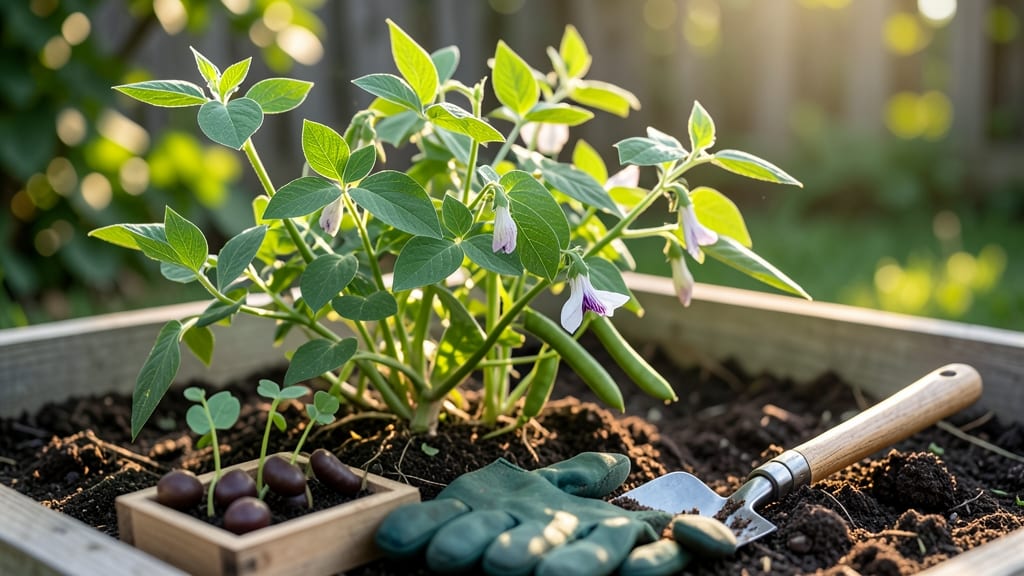
Planting beans at the wrong time in Virginia can mean the difference between a thriving garden and a disappointing harvest—so knowing the exact weeks before last frost is critical for success.
With Virginia’s 7a-8a climate zones, timing matters more than you might think. Whether you're growing bush beans or pole beans 🌱, getting them in the ground too early risks frost damage, while planting too late can shorten your harvest window.
The key is understanding your region’s microclimate—coastal areas warm up faster than the Piedmont, and mountain zones stay cooler longer.
I’ll break down the optimal planting windows for both spring and fall, including soil temperature checks and how to adjust for Virginia’s unpredictable weather. You’ll learn when to start seeds indoors, when to direct-sow, and how to extend your harvest with succession planting.
By the end, you’ll have a clear plan to maximize your bean yield—no more guesswork, just a foolproof schedule tailored to Virginia’s growing conditions. Let’s get those beans in the ground at the perfect time!
Virginia bean planting calendar: exact weeks before last frost by region
Virginia’s diverse climate means last frost dates vary dramatically from the Coastal Plain to the Mountains. For beans, timing is everything—plant too early, and a late frost will kill seedlings; too late, and summer heat stunts growth.
Let’s break down the optimal planting windows by region, using weeks before last frost as your guide.
Most Virginia gardeners aim to plant beans 2-4 weeks before the last frost, but soil temperature matters more than calendar dates. Beans need soil at 60°F or warmer to germinate reliably.
In cooler regions like the Mountains, this might mean waiting until mid-May, while Coastal Virginia can start as early as mid-April.
Here’s your region-specific planting timeline, including average last frost dates and ideal soil temperatures for both bush beans (compact) and pole beans (vining). Use this as your planting roadmap to avoid common mistakes like frost damage or poor germination.
For fall planting, aim to sow seeds 8-10 weeks before your first frost (typically August 1 - September 15 in Virginia). This gives beans time to mature before cooler weather sets in.
In the Coastal Plain, you might squeeze in a late fall harvest, while Mountain regions should focus on early August plantings.
Pro tip: Use a soil thermometer to confirm temperatures. If your soil is below 60°F, wait—even if the calendar says it’s time.
Cold soil = slow germination or no germination at all. Pole beans are slightly more forgiving than bush beans, as they have longer vines to compensate for slower starts.
Another critical factor is succession planting. Since beans have a 55-70 day harvest window, plant new seeds every 2 weeks in spring and every 3 weeks in fall to ensure a continuous supply. This works especially well for pole beans, which produce over a longer period.
If you’re in a transition zone (e.g., Northern Virginia near DC), err on the side of caution. The National Capital Region often sees late frosts in April—wait until April 20 or later to plant, even if your last frost date is earlier. Check the Virginia Cooperative Extension for localized updates.
For container gardening, warm soil faster by placing pots in black plastic-lined trays or using heat mats. This lets you plant 1-2 weeks earlier than in-ground beans, which is a game-changer for short seasons. Just ensure containers have drainage holes to prevent root rot.
Remember: Beans are frost-sensitive, but they’re also fast growers. With the right timing, you can enjoy fresh pods from June through October—or even into November with fall plantings. Start with the region-specific windows above, then adjust based on your microclimate and soil conditions. 🌱
How to adjust planting times for Virginia's unpredictable spring weather
Virginia’s spring weather can be as unpredictable as a Tidewater breeze—one day warm enough for planting, the next hit by a late frost that could wipe out tender seedlings.
To beat these climate challenges, I’ve learned to use a mix of soil temperature checks, succession planting, and cold-hardy varieties that thrive in Virginia’s USDA Zones 7a-8a. The key is flexibility: if Mother Nature throws a curveball, your beans can still succeed with the right adjustments.
First, always check your soil temperature before planting—beans need at least 60°F soil to germinate properly. Use a soil thermometer (they’re cheap and lifesavers) or press your finger into the soil: if it’s cooler than your wrist, wait a few more days.
In cooler Piedmont regions, this might mean delaying planting until early May, while warmer Coastal areas can start as early as mid-April. Don’t rush—slow starts prevent stunted growth.
For extra protection against late spring frosts, I swear by black plastic mulch or row covers. Lay down the mulch 1-2 weeks before planting to warm the soil faster, then remove it once your beans are up.
If a frost warning hits after germination, cover seedlings with lightweight frost cloth at dusk and remove it by mid-morning. This 5-minute trick can save your entire crop from blackened leaves.
- 1. Plant in stages: Sow half your seeds every 2 weeks from April to June for a continuous harvest. This spreads risk if early plantings fail.
- 2. Use cold-tolerant varieties: Try 'Contender' or 'Kentucky Wonder'—they handle 50°F nights better than standard beans.
- 3. Warm soil faster: Spread straw mulch in fall to insulate soil, then top with black plastic in spring for a 10°F temperature boost.
- 4. Monitor humidity: Beans need consistent moisture but hate soggy roots. Water deeply in the morning to prevent fungal diseases like rust.
- 5. Watch the forecast: Use the NOAA’s Virginia frost maps to track last-frost dates by county. Set a calendar reminder 2 weeks before your area’s average date.
If your spring planting window closes too soon (thanks, unseasonable heat), don’t despair—beans also thrive in fall plantings. Aim for August 1-September 15, giving your plants 60-70 days to mature before the first frost.
This second harvest opportunity often yields sweeter beans since they grow slower in cooler fall temps. Just be sure to choose shorter-day varieties like 'Blue Lake' to avoid bolting.
For container gardeners, timing is even trickier because pots heat up faster. Start seeds indoors 4-6 weeks before your last frost date and move them outside only after nighttime temps stay above 55°F.
Place containers on reflective surfaces (like white gravel) to reduce heat stress. And remember: pole beans need trellises or cages—set these up before planting to avoid disturbing roots later.
Finally, keep a planting journal to track what works in your microclimate. Note the exact dates you plant, any weather anomalies, and how your beans perform. Over time, you’ll spot patterns—like why your Mountain region beans always struggle in May but thrive in June.
Sharing these notes with fellow Virginia gardeners (or future you!) ensures next year’s harvest starts on the right foot. 🌱