
Plants
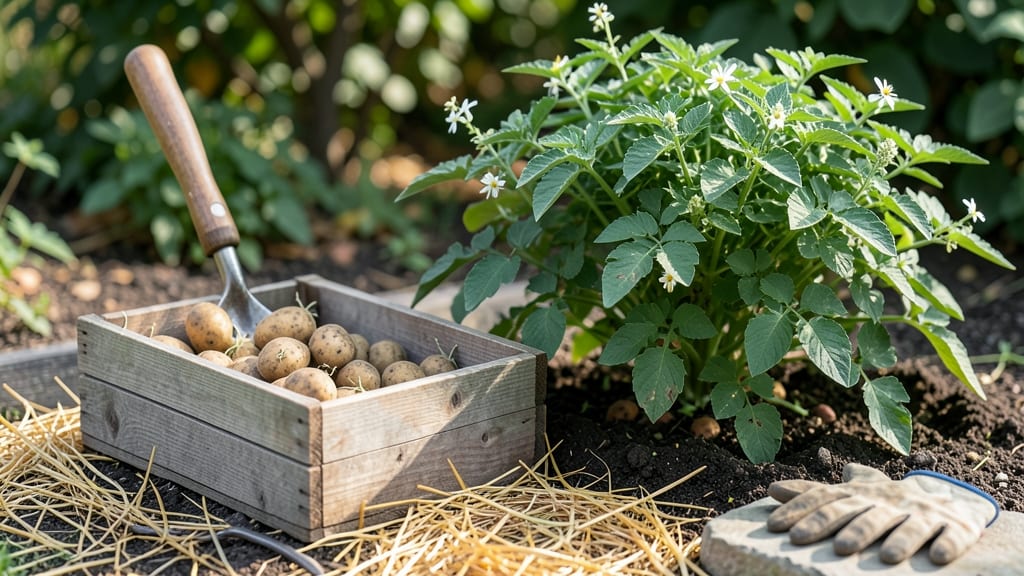
Planting potatoes in Australia isn’t a one-size-fits-all task—get the timing wrong, and you’ll end up with bitter tubers or wasted effort. The key lies in your climate zone, whether you’re in frost-prone Tasmania or tropical Queensland where 🥔 season never sleeps.
In cooler regions like Victoria or Tasmania, late winter to early spring (August–September) is your golden window—plant too soon, and frost will stunt your spuds. Meanwhile, northern growers in Queensland can tuck seed potatoes into the soil almost year-round, thanks to their warm, frost-free conditions.
But here’s the real game-changer: early varieties like ‘Rocket’ can be in the ground as soon as soil temperatures hit 10°C, while late-season types need that extra warmth to bulk up.
I’ll break down the exact timing for your region, so you can avoid common pitfalls like overcrowded tubers or disease.
Ready to transform your garden into a potato powerhouse? Let’s dive into the climate-specific schedule that’ll have you harvesting crisp, homegrown 🥔 all season long—no guesswork required.
Australia’s potato planting calendar by climate zone (no-frost solutions)
Australia’s diverse climate zones mean potato planting times vary dramatically—from year-round tropical growing in Queensland to short frost-free windows in Tasmania. The key is aligning your planting with soil temperatures (above 10°C/50°F) and frost-free periods.
In cooler regions like Victoria and NSW, aim for late winter to early spring (August–September) to avoid frost damage, while northern Australia’s tropical zones allow planting almost anytime.
For most gardeners in temperate Australia, the sweet spot is September to October, when soil warms and frost risk drops. However, early varieties can be planted as soon as soil is workable (around April–May in warmer areas), while late-season types may go in until November for summer harvests.
Always check your local last frost date—Sydney’s is typically late August, but Melbourne’s can be as early as early July.
Here’s how to match your planting to Australia’s five key climate zones for foolproof success:
| Zone | Ideal Planting Time | Key Considerations | Harvest Window |
|---|---|---|---|
| Tropical (QLD, NT, northern NSW) | Year-round (best May–October) | Avoid wet season (Dec–Feb); use shade cloth in summer. | 3–5 months after planting |
| Temperate (NSW, ACT, southern VIC) | August–September (primary); March (fall crop) | Wait for soil >10°C; protect from late frost with row covers. | 90–120 days (varies by variety) |
| Cooler (Tasmania, alpine regions) | September–October (short window!) | Use early varieties (e.g., ‘Rocket’); extend season with cold frames. | 70–90 days (harvest before frost) |
| Arid (SA, western WA) | April–May or September (avoid summer heat) | Mulch heavily to retain moisture; choose drought-tolerant varieties. | 100–120 days (stagger plantings) |
| Mediterranean (south-west WA) | May–June (autumn) or September | Cool winters allow year-round soil prep; protect from wildfire smoke. | 80–110 days (spring harvest) |
In tropical Queensland, you can plant potatoes anytime, but focus on May–October to avoid the wet season’s fungal risks. Meanwhile, Tasmania’s short growing season demands early varieties like ‘Nadine’ or ‘Kipfler’, planted in September for a November harvest before frost hits.
For arid zones (e.g., Adelaide), April–May or September plantings work best—just ensure soil stays consistently moist to prevent scab disease.
Pro tip: Stagger your plantings every 2–3 weeks to enjoy a continuous harvest. For example, in NSW, plant one batch in August, another in September, and a final one in October for harvests spanning November to January.
This also reduces the risk of disease outbreaks by avoiding monoculture.
Soil temperature is your #1 guide—use a soil thermometer to confirm it’s above 10°C (50°F) before planting. In cooler climates, chit your seed potatoes (pre-sprout in sunlight) 4–6 weeks before planting to jumpstart growth.
For tropical regions, shade cloth can help if you’re planting in summer to prevent heat stress on tubers.
Remember: Potatoes are cool-season crops, but they hate frost. If your area has late frosts (like Melbourne’s early July), opt for row covers or cold frames to protect young plants.
In northern Australia, the opposite challenge is heat—mulch heavily to keep tubers cool and prevent greening (toxic solanine buildup).
🌱
Australia’s potato planting calendar by climate zone (no-frost solutions)
Australia’s diverse climate means your potato planting schedule should match your region—whether you’re in frost-prone Tasmania or Queensland’s warm north. In temperate zones like Victoria and NSW, aim for late winter to early spring (August–September) when soil temperatures hit 10°C+ and frost risks fade.
Meanwhile, northern growers in Queensland or the NT can plant almost year-round, with peak seasons in April–June and September–November.
For cooler regions like Tasmania, your window is tight—plant between September and October to avoid early frosts. Even in warmer areas, timing matters: planting too early can lead to stunted tubers, while waiting too long risks disease pressure as summer heats up.
I’ve mapped out the ideal planting windows for each state to help you avoid these pitfalls.
🌱
| Region | Best Planting Time | Soil Temp Requirement | Key Notes |
|---|---|---|---|
| Tasmania | September–October | 10–12°C | Short season; use early varieties like 'Rocket'. |
| Victoria/NSW | August–September | 10–15°C | Avoid frost; mulch heavily. Late varieties like 'Kennebec' thrive. |
| Queensland/NT | April–June & Sept–Nov | 15–25°C | Year-round possible; heat-tolerant varieties like 'Bonita' excel. |
| South Australia | August–September | 10–14°C | Dry climates need extra irrigation; use drought-tolerant types. |
| Western Australia | August–October (Perth) | 12–16°C | Coastal areas can extend to November; watch for heat stress. |
In tropical northern Australia, you can even plant twice a year—once in autumn and again in spring—to avoid the hottest months. But in southern states, focus on one main planting in late winter to ensure tubers mature before summer heat sets in.
For example, in Melbourne, aim for mid-August to harvest by December, while Brisbane growers can stagger plantings every 2 months for continuous harvests.
Pro tip: Use a soil thermometer to confirm temperatures—potatoes won’t sprout until soil hits 8–10°C. If your region experiences light frosts, opt for early-maturing varieties (like 'Swift' or 'Nadine') to harvest before cold snaps. In warmer climates, prioritize shade cloth during peak summer to prevent tuber greening.
💧