
Plants
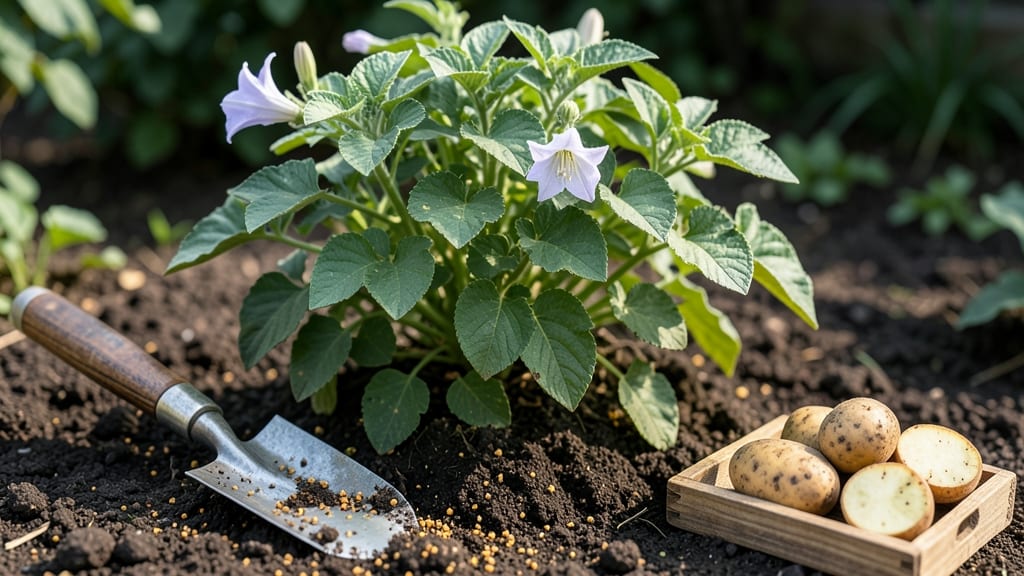
When do you plant potatoes in Iowa? Timing your 🥔 potato planting in Iowa isn’t just about the calendar—it’s a high-stakes balance between frost dates, soil warmth, and variety maturity. Plant too early, and a late frost can turn your tender sprouts to mush; too late, and your harvest window shrinks faster than a summer afternoon. But here’s the good news: with Iowa’s USDA Zone 5a-5b climate, you’ve got a 6-week window to get it right—starting as early as mid-February for hardy varieties or waiting until mid-April for most gardeners.
Why does this matter? Because potatoes thrive when soil temperatures hit 45°F—not air temperature, but the ground itself—and that’s when your county’s microclimate (think river valleys vs. hilltops) can shift your ideal planting date by 2 weeks.
I’ll break down exactly how to read your local frost-free averages, adjust for early/late seasons, and pick the perfect varieties for your corner of the state.
You’ll also discover how to extend your growing season with simple tricks—like cold frames or frost cloth—that let you plant earlier or harvest later without risking your crop.
No more guessing games: just data-driven timing tailored to Iowa’s 165 frost-free days and the 3-foot spacing that keeps your potatoes from competing for nutrients.
Ready to turn your garden into a potato powerhouse? Let’s dive into the exact steps, from soil prep to harvest, so you can enjoy homegrown spuds that outshine the grocery store every time.
Iowa potato planting timeline by USDA heat zones (2024 edition)
Iowa’s diverse climate zones—from the cold northern counties (Zone 3-4) to warmer southern regions (Zone 5a-5b)—mean your potato planting window can shift by 3-4 weeks. Understanding these zones helps you avoid frost damage while maximizing harvest yields.
The key is planting 4-6 weeks before your last frost date, but soil temperature matters just as much. Cold soil slows sprouting, while warm soil (50°F+) encourages faster growth. Here’s how to time it right by region:
| USDA Zone | Counties | Last Frost Date | Planting Window | Soil Temp Goal |
|---|---|---|---|---|
| 3-4 | Pocahontas, Lyon, Osceola | May 5–15 | April 1–15 | 50–55°F |
| 4-5a | Dallas, Polk, Story | April 20–May 5 | March 25–April 10 | 45–50°F |
| 5a-5b | Scott, Muscatine, Louisa | April 10–20 | March 10–March 25 | 40–45°F |
*Use a soil thermometer to confirm readiness—planting too early in cold soil delays growth.
For early varieties like Yukon Gold or Red Norland, you can start as early as late February in Zone 5b, but use row covers to protect from late frosts. Mid-season varieties (e.g., Kennebec) thrive when planted in early April across most of Iowa.
Pro tip: Check the Iowa State University Extension’s frost date maps (updated annually) for 2024 adjustments. A 3-day warm spell in March can shift your planting window 1-2 weeks earlier safely.
If you’re in Zone 3-4, wait until soil reaches 50°F—planting in 40°F soil risks rotten seed potatoes. Use black plastic mulch to warm the soil faster in these areas.
For fall planting (a lesser-known trick), try late-summer varieties like German Butterball in August. These need 90+ days to mature before first frost, so aim for harvest by October 1.
Remember: Early planting in Iowa isn’t just about dates—it’s about soil prep. Work in compost 2 weeks before planting to improve drainage, and avoid wet, heavy clay which causes potato scab.
🥔
5 Critical factors that change Iowa potato planting dates
Iowa’s potato planting dates aren’t just about the calendar—they’re heavily influenced by soil temperature, variety maturity, and even your local microclimate. Unlike other crops, potatoes demand precise timing to avoid frost damage or stunted growth.
Let’s break down the 5 critical factors that shift your planting window by weeks, so you can adjust for early or late seasons with confidence.
First, soil temperature is non-negotiable. Potatoes thrive when soil reaches 45°F (7°C)—any colder, and sprouts will rot.
In Iowa’s USDA Zones 5a-5b, this typically happens between March 15 and April 15, but southern counties like Appanoose or Muscatine may hit this mark by early March, while northern areas like Plymouth or Cherokee might wait until mid-April. Use a soil thermometer to verify before planting.
Next, variety maturity dictates your window. Early varieties like ‘Yukon Gold’ (90 days) can handle earlier planting, while late varieties like ‘Russet Burbank’ (120 days) need a later start.
For example, if you plant ‘Yukon Gold’ on March 20 in Zone 5a, you’ll harvest by June 15, avoiding summer heat stress. But ‘Russet Burbank’ planted then risks disease—wait until April 1 for a safer bet.
Don’t overlook frost history. Iowa’s last frost dates vary wildly: April 15 in Des Moines but May 1 in Sioux City. Check your county’s 30-year averages (via Iowa State University Extension) and adjust by 1-2 weeks if your area has a reputation for late frosts.
Pro tip: Plant early varieties in cold frames to shave off 2-3 weeks from your season.
Then there’s local microclimates. River valleys (like the Mississippi River) warm up faster than hills, so you might plant 10-14 days earlier in these areas. Conversely, windy or elevated spots stay colder longer—opt for windbreaks or delay planting by a week.
Even a black plastic mulch can warm soil by 5-10°F, letting you plant 2 weeks sooner in chilly springs.
Finally, rainfall and drought risks play a role. Iowa’s spring rains can delay planting, while dry spells might push you to start earlier. If your soil is waterlogged by late April, switch to container growing or use raised beds to avoid rot.
Conversely, if drought looms, prioritize drought-tolerant varieties like ‘Red LaSoda’ and plant in well-draining soil.
By accounting for these 5 factors, you’ll dodge the most common mistakes—like planting too early and losing sprouts to frost or too late and missing peak harvest. Next, we’ll cover pro tips to extend your Iowa potato season safely, so you can push those dates even further.