
Plants
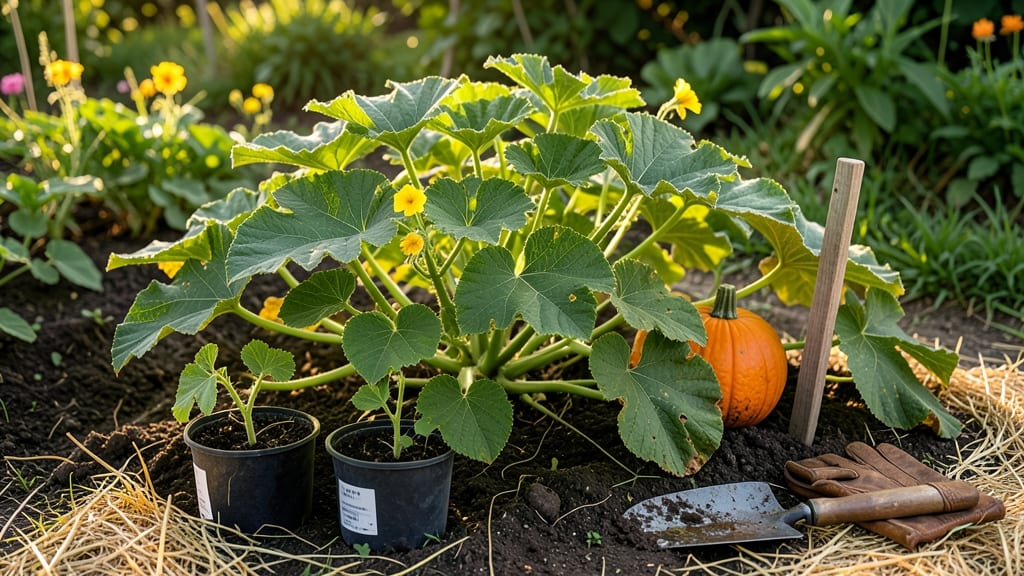
Planting pumpkins in Kansas isn’t just about throwing seeds into the dirt—it’s about timing your 🎃 harvest to beat frost and heatwaves. The 5b-6b zone means your window is tight: too early, and a late frost will wipe out seedlings; too late, and your pumpkins won’t mature before fall’s chill.
But here’s the secret: Kansas gardeners who nail the soil temperature rule (waiting until it hits 70°F) and adjust for their microclimate see bigger, healthier harvests.
You might think late April is the magic date, but that’s only part of the story. The real key is tracking your last frost—typically around April 15—and pairing it with soil warmth.
Planting too soon risks stunted growth, while waiting until early June might leave your vines scrambling to produce before the first frost in October. The solution? A two-phase approach: start seeds indoors in March for a head start, then transplant after the soil warms.
What if your spring drags on, or a heatwave dries out the soil? That’s where Kansas-specific tricks come in—like using black plastic mulch to warm the earth faster or choosing fast-maturing varieties like ‘Jack Be Little’ (ready in 75 days).
These strategies turn Kansas’ unpredictable weather into an advantage, not a roadblock. Let’s break down the exact steps to make your pumpkin patch thrive.
By the end, you’ll know not just when to plant, but how to protect your pumpkins from Kansas’ quirks—whether it’s late frosts, early heat, or drought.
No more guessing games: just a foolproof timeline for pumpkins that grow bold, fast, and frost-free. Ready to grow the biggest 🎃 on the block?
Kansas pumpkin planting dates by region: frost-free deadlines & soil temperature rules
Kansas’ diverse climate zones—from the cooler eastern regions to the drier western areas—mean one-size-fits-all planting advice won’t work. USDA zones 5b–6b dominate the state, but microclimates shift planting windows by 2–3 weeks.
For example, Wichita’s last frost typically arrives by April 15, while Kansas City’s can linger until May 1. To nail your timing, focus on soil temperature (pumpkins need 60°F+) and frost-free days (aim for 120+ days to harvest).
Most Kansas gardeners plant pumpkins between late April and early June, but western Kansas (drier, warmer) can start 1–2 weeks earlier than eastern Kansas (cooler, wetter). Check your local Kansas State University Extension office for precise frost dates—some years, late frosts in May can delay planting until mid-June.
Pro tip: Use a soil thermometer to confirm warmth before planting.
Here’s how Kansas breaks down by region for optimal pumpkin planting:
For Kansas City gardeners, waiting until late May reduces frost risk, while western Kansas growers can plant as early as April 20 if soil warms quickly. Central Kansas (like Salina) offers the most flexibility, with a 3-week window to plant.
Always prioritize soil temperature over calendar dates—cold soil stunts growth, even if frost risk is low.
If you’re unsure about your local frost dates, use the Kansas Mesonet or Almanac’s Frost Calculator to input your ZIP code. These tools account for historical averages and 30-year trends, helping you avoid late-season surprises.
For example, Hays has a 90% chance of no frost after May 15, while Pittsburg waits until June 1 for safety.
Pro tip: Plant fast-maturing varieties (like ‘Jack Be Little’) if you’re in Zone 5b (eastern KS) to ensure harvest before frost. In Zone 6b (western KS), you can afford slightly longer-season types like ‘Howden’.
Always check the days to maturity on seed packets and subtract 10–14 days for Kansas’ unpredictable weather.
Once you’ve nailed your planting window, prepare your soil by mixing in compost and a balanced fertilizer (10-10-10). Pumpkins thrive in loamy, well-draining soil with a pH of 6.0–6.8.
Test your soil in early spring—Kansas’ clay-heavy soils (common in eastern KS) benefit from sand or peat moss to improve drainage. Mulch with straw after planting to retain moisture and suppress weeds.
Remember: Pumpkins need space—vines spread 10–20 feet, so allocate 50–100 sq ft per plant. Use hill planting (3 seeds per mound,
How to adjust pumpkin planting for Kansas’ unpredictable weather: heatwaves, late frosts & drought strategies
Kansas’ weather can throw a curveball—one day it’s 60°F and sunny, the next it’s a 32°F frost warning. For pumpkins, this unpredictability means your planting strategy needs flexibility. The key is soil warmth, not just calendar dates.
Even if your neighbors plant in late April, if your soil hasn’t hit 70°F, your seeds will rot. That’s why I’ve learned to use black plastic mulch and row covers to give my pumpkins a fighting chance.
Another trick I swear by? Starting seeds indoors in March using heat mats. This way, if spring stalls, I’ve got hardy seedlings ready to transplant as soon as the ground warms. It’s not cheating—it’s Kansas gardening strategy.
Without this head start, a late frost in May can wipe out your entire crop before it even takes root. Let’s dive into the exact adjustments I make to protect my pumpkins from Kansas’ wild swings.
⚠️ callout warning ⚠️
🚨 Kansas Pumpkin Planting Deadline Risk
Planting pumpkins in Kansas after June 1 risks immature harvests before the first frost (October 15). Even fast varieties like ‘Jack Be Little’ (75 days) need a 165-day frost-free window. If your spring is late, use backup planting dates in early July for small harvests.
✅ Pro Tip: Check your local USDA frost map—Western Kansas (Zone 5b) has 10-14 days fewer frost-free days than Eastern Kansas (Zone 6b). Adjust accordingly!
First on my list? Soil warming hacks. I lay down black plastic mulch 2-3 weeks before planting to raise soil temps by 10-15°F. This lets me plant 2-3 weeks earlier than gardeners without mulch.
Pair that with a row cover for the first week, and you’ve created a microclimate that mimics summer—even in May. I’ve seen pumpkin seedlings emerge in 5 days instead of the usual 10-14 with this method.
But what if your spring is a total bust? Say, a May frost or weeks of 40°F soil. That’s where backup planting dates come in. I always have a July 1 fallback date for fast varieties.
It’s not ideal—your pumpkins will be small—but it’s better than nothing. For this, I choose ‘Small Sugar’ (70 days) or ‘Waltham Butternut’ (85 days), which can still mature if given enough sun and water.
Watering is another critical adjustment. Kansas summers bring drought conditions, and pumpkins need 1-2 inches of water weekly. I use drip irrigation to keep moisture consistent, especially during flowering (6-8 weeks after planting).
Let the soil dry between waterings, but never to the point of wilting vines. A mulch ring around plants retains moisture and keeps roots cool—essential during 90°F+ heatwaves.
Finally, don’t overlook companion planting. I pair pumpkins with bush beans or marigolds to improve soil health and deter pests like squash bugs. And if you’re in Western Kansas, where winds are fiercer, stake your pumpkins or use windbreaks to protect young vines.
With these adjustments, I’ve gone from zero pumpkins in my early years to 50+ pounds of harvests—even in unpredictable years.