
Plants
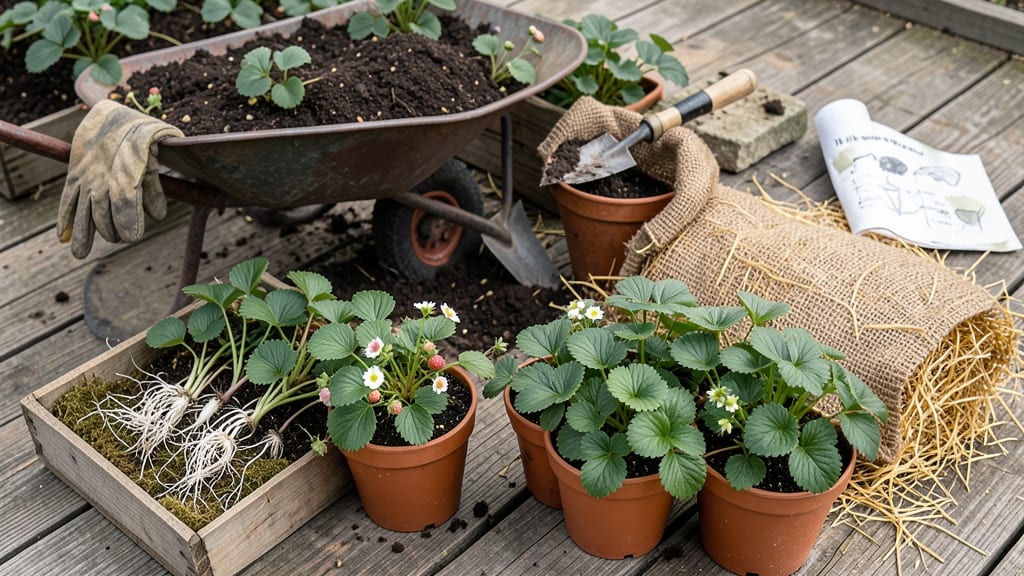
Planting strawberries in Kentucky at the wrong time can mean the difference between a bountiful harvest and wasted effort—especially for June-bearing varieties that rely on precise chill-hour timing.
If you've ever wondered why your 🍓 plants struggle to thrive, the answer might lie in Kentucky's unique climate. The 6a-7a zones create specific windows where planting becomes most successful, and missing them can lead to poor fruit set or even no harvest at all.
I'll show you exactly when to plant—whether you're working with bare-root plants or potted varieties—and how to match Kentucky's chill hours for maximum yield. With the right timing, you could be enjoying fresh strawberries by late spring.
Let's dive into the optimal planting calendar that works for Kentucky gardeners, so you can avoid common mistakes and set your strawberries up for success from day one.
Kentucky’s chill-hour zones: when to plant June-bearing strawberries for maximum yield
Kentucky’s climate—spanning USDA Zones 6a–7a—creates unique challenges for growing June-bearing strawberries. These varieties need 500–1,000 chill hours (below 45°F) to produce fruit, but Kentucky’s zones range from 5,000+ chill hours in the north to 7,500+ in the south.
Planting at the wrong time can lead to poor fruit set or no harvest at all.
For example, Lexington (Zone 7a) gets 6,500+ chill hours, while Paducah (Zone 7b) sees 7,000+. This means June-bearing varieties like 'Chandler' or 'Jewel' thrive when planted in early spring (March–April) or late summer (July–August) for fall-bearing types. Timing ensures they meet chill-hour requirements before flowering.
Your location in Kentucky dictates the best window. Northern Kentucky (e.g., Covington, Zone 6a) should plant 4–6 weeks before the last frost (typically late March), while Western Kentucky (e.g., Bowling Green, Zone 7a) can start as early as mid-February.
Southern regions like London (Zone 7b) have a longer window due to milder winters.
Missed chill hours? Fall-planted strawberries (July–August) can still work for everbearing or day-neutral varieties, but June-bearing types won’t produce fruit if planted too late. Always check your local frost dates—Kentucky’s last frost ranges from mid-April in the north to early April in the south.
🌱 Kentucky Strawberry Planting Zones & Chill-Hour Guide
| Region | USDA Zone | Chill Hours | Best Planting Window | Notes |
|---|---|---|---|---|
| Northern KY (e.g., Covington) | 6a | 5,000–6,000 | Late March–Early April | Late frosts common; use mulch. |
| Bluegrass (e.g., Lexington) | 7a | 6,000–7,000 | Mid-March–Early April | Ideal for June-bearing varieties. |
| Western KY (e.g., Paducah) | 7b | 7,000–7,500 | Mid-February–March | Earlier planting possible. |
| Cumberland Plateau (e.g., Williamsburg) | 6b | 5,500–6,500 | Early April | Cooler microclimates delay planting. |
*Chill hours calculated using 32–45°F threshold. Adjust for microclimates (e.g., slopes, valleys).
If you’re unsure about your chill hours, use a chill-hour calculator or check with your local Cooperative Extension Service. For instance, University of Kentucky Extension provides free soil tests and planting guides tailored to your county.
They can confirm if your area is better suited for June-bearing or everbearing varieties.
For bare-root strawberries, plant as soon as the soil reaches 40°F—typically late March in Louisville or early April in Northern Kentucky. Potted plants can go in 2–4 weeks earlier since they establish faster.
Always soak bare roots in water for 1–2 hours before planting to revive dormant roots.
Pro tip: Mulch heavily (straw or pine needles) after planting to protect roots from late spring frosts, which can still hit Kentucky into May. This is especially critical in Zone 6a areas like Henderson County, where frosts linger longer.
Finally, avoid planting in fall for June-bearing varieties unless you’re in Zone 7b+. Fall-planted strawberries won’t get enough chill hours to fruit in the following spring. Save fall planting for everbearing or day-neutral types like 'Albion' or 'Seascape'.
🌱
Step-by-step planting timeline: from bare-root to harvest in Kentucky’s climate
Kentucky’s variable spring frosts mean timing is everything when planting strawberries. For June-bearing varieties, aim to plant 4-6 weeks before your last frost date—typically mid-March to early April in most regions. If you miss this window, late summer (July-August) is your second chance for fall-bearing varieties.
Start by selecting bare-root plants or potted strawberries from local nurseries. Bare-root plants are cheaper but require immediate planting, while potted varieties give you flexibility. Soil temperature should be at least 40°F (4°C) for roots to establish properly.
⚠️ CRITICAL: Check your last frost date—Louisville’s average is April 15, while Eastern Kentucky’s can be 2 weeks later. Planting too early risks frost damage, while waiting too long delays fruit production.
📅 Step-by-Step Planting Timeline for Kentucky
- Late February–Early March: Prepare beds with 2–3 inches of compost and adjust soil pH to 5.5–6.5 using lime or sulfur.
- Mid-March–Early April: Plant bare-root strawberries with roots spread out, 6 inches apart in rows 18–24 inches apart.
- April–May: Apply 1 inch of mulch (straw or pine needles) to retain moisture and suppress weeds.
- June: Remove first-year flowers to redirect energy to root growth for next year’s harvest.
- July–August (fall planting):** Plant potted strawberries for late-season harvests, spacing them 12 inches apart.
After planting, water deeply every 2–3 days to keep soil moist but not soggy. Morning watering prevents fungal diseases like gray mold, which thrives in Kentucky’s humid summers. Avoid overhead sprinklers to minimize leaf wetness.
For continuous harvests, succession plant every 2–3 weeks in spring or late summer. June-bearing varieties produce one massive crop in late May–June, while everbearing types yield smaller fruits all season. Prune old leaves in early spring to improve airflow and reduce disease risk.
By following this timeline, you’ll maximize your strawberry yield while avoiding Kentucky’s frost risks and humidity challenges. Happy planting! 🌱