
Flowers
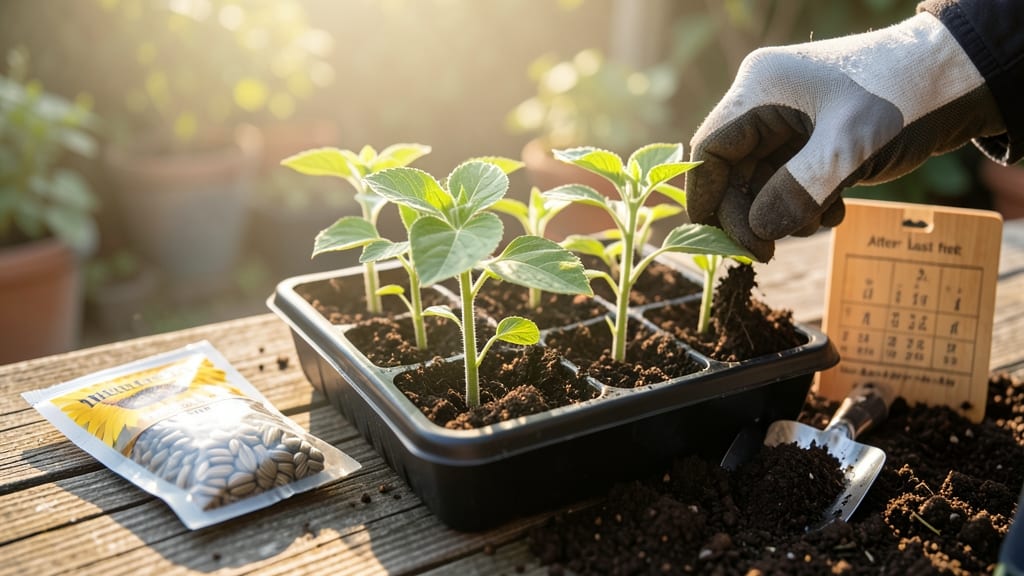
Planting sunflowers in Indiana at the wrong time means watching your 🌻 dreams wither before they even bloom—because those towering stems need the right conditions to thrive from seed to harvest.
The key isn't just waiting for spring; it's knowing when your local heat zone (7 or 8) signals the perfect frost-free window.
Most gardeners in Indiana rush to plant too early, only to face frost damage or stunted growth. The ideal time to sow sunflower seeds is after the last frost—typically mid-April—but soil temperatures must reach at least 50°F for germination.
This timing ensures your sunflowers grow strong enough to handle Indiana's unpredictable weather patterns.
Whether you're growing dwarf varieties for containers or giant sunflowers reaching 12 feet, the planting window matters.
We'll break down exactly when to start seeds indoors (if needed), when to direct-sow, and how to adjust for late frosts or early heatwaves—so you can enjoy those cheerful blooms from late July to October.
Ready to grow sunflowers that outshine the competition? Let's dive into the precise frost-free timeline for Indiana's Heat Zones 7-8, plus pro tips for handling our region's quirks—so your garden becomes the talk of the neighborhood.
Indiana sunflower planting timeline by heat Zone (7 vs 8)
Indiana's Heat Zones 7 and 8 create distinct planting windows for sunflowers, where timing can mean the difference between 10-foot giants and wilted seedlings. The average last frost date shifts by nearly 2 weeks between these zones, requiring precise planning.
For Zone 7 (northern Indiana), aim for mid-April to early May, while Zone 8 (southern Indiana) can start as early as late March—but only if soil temperatures stay above 50°F (10°C).
Sunflowers are hardy annuals that tolerate cool soil, but they hate frost. Even young seedlings can survive a light 28°F (-2°C) dip, but prolonged cold stunts growth. My trick? Use black plastic mulch to warm soil faster in Zone 7, giving seeds a head start.
For fall planting, Zone 8 gardeners can try late July to early August sowings—just ensure seeds germinate before first frost (typically October 15).
Here’s the critical difference between zones: Zone 7’s 180 frost-free days limit late varieties, while Zone 8’s 210 days allows for taller, later-maturing types. For example, 'Mammoth' (120 days) thrives in Zone 8 but risks bolting too late in Zone 7.
Always check your local microclimate—urban areas like Indianapolis (Zone 6b) may need to adjust by 1-2 weeks later than rural Zone 7.
For early varieties like 'Teddy Bear' (60 days), Zone 7 gardeners can push planting to late April and still harvest by September. In contrast, Zone 8 can squeeze in two plantings: one in April for summer blooms and another in July for fall color.
My Zone 8 neighbors often grow 'ProCut' (85 days) in July—these bloom just in time for October festivals.
Soil temperature is more critical than air temperature. Use a soil thermometer to confirm 50°F (10°C) at 2" depth before planting. In Zone 7, black plastic mulch can add 5-10°F to soil warmth, while straw mulch in Zone 8 helps retain moisture during summer heatwaves.
Pro tip: Plant dwarf varieties in containers if your zone’s frost-free window is too short for tall types.
Fall planting in Zone 8 works because sunflowers germinate quickly (5-10 days) and tolerate cool nights. Aim for late July sowings—these seeds need 80-90 days to mature before frost.
Use row covers if nights dip below 50°F (10°C) after germination. My Zone 8 garden produced harvestable seeds from July-planted 'Mammoth' sunflowers by late October.
Indiana’s microclimates add complexity. Urban areas like Gary (Zone 6b) may need to wait until May 1, while rural Evansville (Zone 7a) can start April 15.
Check local weather stations for 10-year frost averages—some years, Zone 7’s last frost hits May 10, while others see June 1 safe dates. Always have backup row covers ready for late frosts.
Indiana sunflower planting timeline by heat Zone (7 vs 8)
Indiana's Heat Zones 7 and 8 create subtle but important differences in your sunflower planting schedule. Zone 7 (northern Indiana) has a longer frost risk compared to Zone 8 (southern Indiana), where the growing season stretches nearly two weeks longer.
This means gardeners in Zone 8 can plant 10-14 days earlier than their northern counterparts.
The last average frost date in Indiana typically falls around April 15 for Zone 7 and April 1 for Zone 8. However, soil temperature is more critical than air temperature—sunflower seeds need soil temps of 50°F (10°C) or warmer to germinate properly.
In cooler northern areas, this often means waiting until mid-April to early May, while southern Indiana gardeners can start as early as late March.
Most Indiana gardeners plant sunflowers directly in the ground rather than starting indoors, since sunflowers dislike transplanting. The optimal planting window spans from mid-April to mid-June, with earlier plantings (April-May) producing taller varieties and later plantings (June) yielding smaller but late-blooming flowers perfect for fall interest.
🌱 Indiana Sunflower Planting Summary
| Zone | Last Frost | Planting Window | Soil Temp | Days to Maturity |
|---|---|---|---|---|
| Zone 7 (Northern IN) | April 15 | Mid-April to June 1 | 50°F+ | 60-120 days |
| Zone 8 (Southern IN) | April 1 | Late March to June 15 | 50°F+ | 60-120 days |
*Days to maturity vary by variety. Early varieties (60 days) work for late plantings, while giant varieties (120 days) need early starts.
For fall planting, Indiana gardeners can sow sunflower seeds as late as July 1 in Zone 8 and July 15 in Zone 7. These late plantings produce smaller flowers but still provide bird food and winter interest before the first frost.
Just remember: sunflowers planted after August 1 rarely mature enough to bloom before winter.
Pro tip: Use a soil thermometer to confirm readiness—cool, wet springs in Indiana often delay planting.
If your soil stays below 50°F after April 15, wait until it warms up or use black plastic mulch to raise soil temperature by 5-10°F. This simple trick can add 2-3 weeks to your growing season for sunflowers.
Finally, consider your sunflower variety when timing plantings. Dwarf varieties (like 'Teddy Bear') mature in 60 days and can handle later starts, while giant varieties (like 'Mammoth') need 120 days and should be planted by mid-May at the latest.
Matching your variety to your planting window ensures you'll enjoy those cheerful blooms all summer long.