
Plants
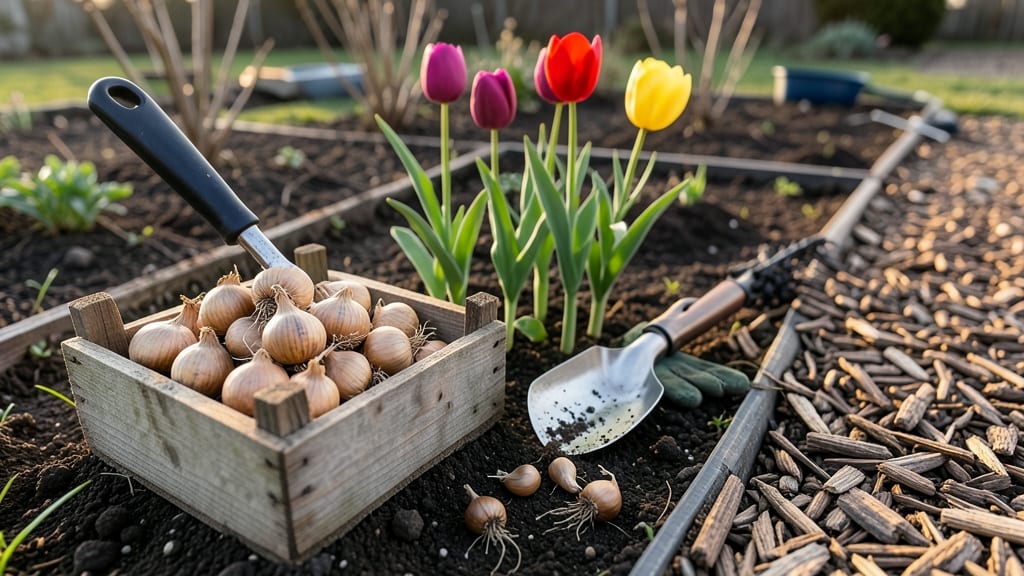
Planting tulip bulbs 🌷 in Oklahoma isn’t just about dropping them in the ground—it’s about catching that narrow window between summer’s heat and winter’s chill. Get it wrong, and your bulbs might rot before spring’s first bloom.
But nail the timing, and you’ll reward yourself with vibrant flowers that emerge right when Oklahoma’s skies start clearing.
The key is planting 6-8 weeks before your area’s first frost, typically between late October and early November in zones 6a-7b. That means checking your local frost dates (yes, they vary even within Oklahoma!) and planning accordingly.
Whether you’re in the cooler north or the slightly milder south, this guide will help you avoid the most common mistakes that turn tulip dreams into soggy disappointments.
Why does timing matter so much? Tulips need a chilling period to bloom, and Oklahoma’s winters usually deliver—but only if you plant them deep enough and in well-draining soil. Too early, and bulbs might sprout and freeze.
Too late, and they won’t establish roots before the ground locks up. Let’s break down the exact steps to get your tulips off to the best start.
You’ll also discover how to adjust for Oklahoma’s microclimates, from urban heat islands to windy plains, and when to fertilize for maximum impact.
By the end, you’ll know exactly when to plant for zero-frost success—so next spring, your garden will be the one bursting with color while your neighbors scratch their heads wondering where their tulips went.
Oklahoma’s last frost dates by zone: exact weeks to plant tulip bulbs
Oklahoma’s USDA zones 6b-8a create a tricky balance for tulip planting—too early, and bulbs rot; too late, and they won’t bloom. The golden window is 8-12 weeks before your first frost, but Oklahoma’s climate varies wildly between northern panhandle (zone 6b) and southern Oklahoma (zone 8a).
Let’s break it down by zone so you can plant with confidence.
For Northern Oklahoma (Zones 6b-7a), like Oklahoma City or Tulsa, the first frost typically hits November 15. Counting back 8-12 weeks lands you in mid-September to early October. This is your sweet spot—bulbs get enough root establishment before winter dormancy.
In Southern Oklahoma (Zones 7b-8a), like Oklahoma City’s southern suburbs or Lawton, frost arrives later—mid-to-late November—so you can push planting to late October.
Pro Tip: Check your local frost dates using the NOAA Climate Data tool (search for your city’s 30-year frost averages). For example, Altus (Zone 7b) has a 90% frost probability by November 20, while Enid (Zone 7a) hits frost 2 weeks earlier. Adjust your planting 1-2 weeks earlier if your area’s frost dates skew early.
Here’s the zone-by-zone planting calendar to help you visualize the perfect timing:
| USDA Zone | First Frost Date | Planting Window | Tulip Variety Notes |
|---|---|---|---|
| 6b (Northern Panhandle) | Nov 1-15 | Sep 15 - Oct 10 | Hardy varieties like 'Ice Cream' or 'Darwin Hybrid' |
| 7a (Oklahoma City, Tulsa) | Nov 10-20 | Sep 25 - Oct 20 | Classic 'Parrot' or 'Fosteriana' tulips |
| 7b (Lawton, Altus) | Nov 15-25 | Oct 1 - Nov 1 | Dwarf 'Tiny Tim' or 'Frans Hals' types |
| 8a (Southern OK, Ardmore) | Dec 1-10 | Oct 15 - Nov 10 | Late-blooming 'Cottage' or 'Kaufmanniana' tulips |
Why 8-12 weeks before frost? Tulip bulbs need 4-6 weeks to establish roots before the ground freezes. Planting too early (e.g., August in Zone 7a) risks rot from excess moisture, while planting too late (e.g., November in Zone 6b) means bulbs won’t root before frost.
Aim for 60-75°F soil temps—ideal for root growth—typically found in late September to early October across most of Oklahoma.
For Oklahoma’s unpredictable winters, add a 2-week buffer if your area has a history of early frosts. For example, if your 10-year frost average is November 15 but you’ve seen November 1 frost in 3 of those years, plant by October 15 instead.
Use NOAA’s Climate Normals tool to check your city’s frost probability—this data is free and tailored to your microclimate.
One critical rule: Never plant tulips in spring in Oklahoma. Tulips require vernalization (a cold period) to bloom. Planting in spring skips this step, and you’ll end up with leafy stalks but no flowers.
If you miss the fall window, store bulbs in a cool, dark place (like a garage with temps between 35-50°F) until next fall.
Finally, soil temperature matters more than air temperature. Use a soil thermometer to confirm temps are below 60°F before planting—this signals it’s time to cover bulbs with mulch. In Zone 6b, this might be as early as mid-October, while Zone 8a can wait until November.
Mulch with straw or shredded leaves (avoid grass clippings—they mat down) to insulate bulbs through winter.
How to adjust planting time for Oklahoma’s microclimates (and avoid frost damage)
Oklahoma’s diverse microclimates can throw off even the most precise planting schedules. A garden in Tulsa’s urban heat island might stay frost-free weeks longer than one in the Wichita Mountains, where cold air pools in valleys.
To adapt, I focus on three key adjustments: soil temperature, wind exposure, and urban heat effects. These tweaks can extend your planting window by 2-4 weeks in the right conditions.
For urban gardens (like Oklahoma City), I recommend planting 2-3 weeks earlier than the zone average. Pavement and buildings trap heat, delaying frost. Use a soil thermometer—plant when temps hit 50°F (10°C) at 6-inch depth.
In rural or windy areas (like the Panhandle), delay planting by 1-2 weeks to avoid early cold snaps. Wind desiccates bulbs, so mulch heavily with straw or leaves to insulate.
Companion planting also helps. Pair tulips with frost-resistant perennials like salvia or catmint, which act as living mulch. Their foliage insulates bulbs and reduces soil temperature swings. Avoid planting near low-lying shrubs (e.g., boxwood), which can trap cold air and damage emerging shoots.
Pro tip: If you’re unsure about your microclimate, test your garden’s frost risk. Place a frost-sensitive plant (like basil) in your bed in early November. If it survives 3 consecutive nights below 32°F (0°C), your tulips are safe to plant.
Otherwise, wait another week. Adjusting for these variables turns Oklahoma’s tricky climate into an advantage—your tulips will thank you with longer stems and brighter blooms next spring.