
Trees
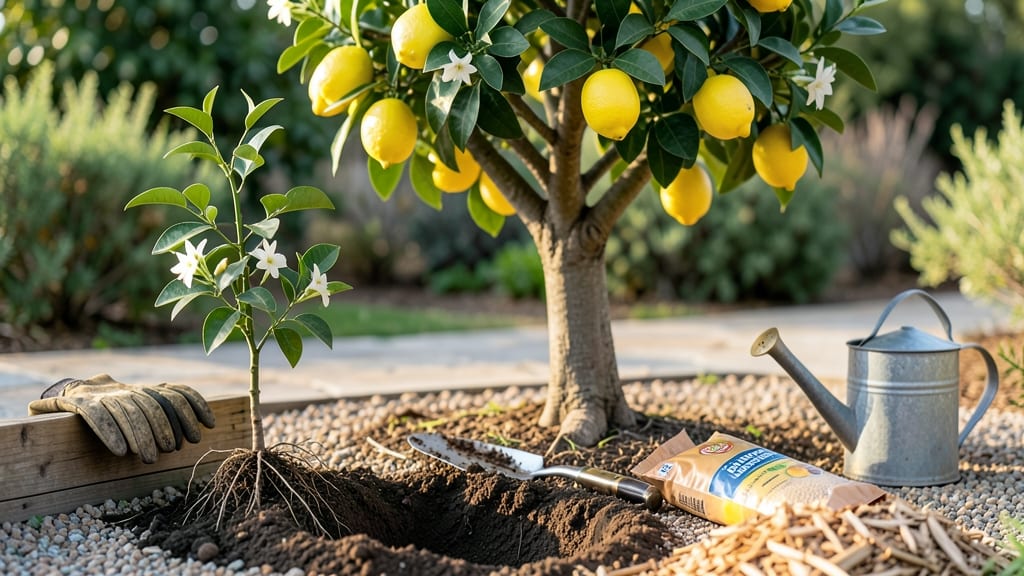
Planting a citrus tree 🍊 in Florida isn’t just about grabbing a sapling and sticking it in the ground—timing can make the difference between a thriving orchard and a struggling survivor.
Most gardeners assume Florida’s frost-free climate means year-round planting, but the real secret lies in soil warmth and seasonal rainfall patterns that trigger strong root growth. Skip the wrong window, and you’ll end up with stunted trees or wasted effort.
I’ve learned from years of trial and error (and a few sad citrus casualties) that late winter to early spring—February through April—is the sweet spot for most of Florida’s 9a-10a zones.
But there’s more to it than just months: soil temperature, variety hardiness, and even regional microclimates play a role.
Let me walk you through the exact conditions that turn a citrus planting into a long-term investment—plus how to prep your soil and avoid the mistakes that kill trees before they bear fruit.
Optimal Florida planting windows: soil temperature triggers for citrus root growth
Florida’s year-round growing season might make you think citrus trees can be planted anytime, but soil temperature and rainfall patterns actually dictate the best windows. Citrus roots thrive when soil stays above 60°F (15°C), which is why late winter to early spring (February–April) is ideal for most regions.
This timing aligns with Florida’s dormancy break and avoids the summer heat stress that can shock young roots.
Northern Florida (USDA Zones 8a–9a) faces occasional light frost risks in December–January, so planting in fall (September–October) gives trees time to establish before cold snaps. Meanwhile, South Florida (Zones 10a–11) can plant almost year-round, but June–August is riskier due to hurricane season and intense humidity that slows root growth.
Here’s the critical rule: Always check soil temperature with a soil thermometer—citrus roots won’t grow below 60°F (15°C). In North Florida, wait until soil warms to 65°F (18°C) in spring to avoid root shock from sudden warmth.
In South Florida, September planting lets trees establish before the peak summer heat.
| Planting Window | Soil Temp Requirement | Frost Risk | Best For |
|---|---|---|---|
| Late Winter (Feb–March) | 65–75°F (18–24°C) | Low (except North FL) | All Florida regions |
| Early Spring (April) | 70–80°F (21–27°C) | None | Fastest root growth |
| Fall (Sep–Oct) | 60–70°F (15–21°C) | Moderate (North FL) | North/Central FL |
| Summer (June–Aug) | 75°F+ (24°C+) | None | South FL only (risky) |
If you’re in North Florida (Jacksonville, Gainesville), prioritize February–March planting to avoid late-winter frosts. These areas can see 28°F (-2°C) temps, which can kill young citrus trees. For Central Florida (Orlando, Tampa), April is ideal—soil is warm, and hurricane season hasn’t yet peaked.
Meanwhile, South Florida (Miami, Fort Lauderdale) gardeners can plant year-round, but September–November is safest before summer’s brutal heat.
Pro tip: Container-grown citrus (like Meyer lemons) can be planted anytime if you acclimate roots first. Soak the root ball for 10–15 minutes before transplanting to reduce transplant shock. For bare-root trees, soak roots in water for 1–2 hours before planting to jumpstart growth.
Avoid planting during Florida’s rainy season (June–September) unless you have well-draining soil. Waterlogged roots are the #1 killer of young citrus trees. If you must plant in summer, amend soil with compost and perlite to improve drainage and water deeply 2–3x per week to compensate for evaporative loss.
For dwarf citrus varieties (like Calamondin oranges), timing matters less, but spring planting still ensures faster fruiting. These trees can bear fruit in 18–24 months if planted in optimal conditions, compared to 3–5 years for standard-sized trees.
If you’re growing grafted citrus, plant in spring to avoid graft union stress from temperature swings.
Always mulch heavily (3–4 inches of wood chips or pine straw) after planting to retain soil moisture and regulate root-zone temps. This is especially critical in South Florida’s hot summers, where soil can overheat and burn roots.
In North Florida, mulch also protects against frost heave.
Remember: Citrus trees planted in Florida’s optimal windows (spring or fall) will fruit 2–3x faster and require less water once established. Skip the guesswork—check soil temps and plant when conditions align for strong root growth from day one. 🌱🍊✂
Optimal Florida planting windows: soil temperature triggers for citrus root growth
Florida’s frost-free reputation makes citrus trees seem like a no-brainer to plant year-round, but soil temperature is the real game-changer for root growth. Most citrus varieties need warm soil (60°F+) to establish roots quickly—otherwise, they’ll languish or succumb to root rot in soggy winter soil.
My best citrus plantings happened in late winter to early spring (February–April), when daytime temps hover in the 70s°F and soil warms up. This aligns with Florida’s 9a-10a zones, where frost risk is minimal but soil moisture is still high from winter rains.
Here’s the soil temperature rule I follow: Plant when soil reaches 60°F at 6 inches deep. Use a soil thermometer—cheap but critical. In North Florida (Zone 8a), this usually means waiting until March to avoid late-winter chills.
Fall planting (October–November) is a backup option for mature citrus, but young trees struggle with hurricane season and cooling soils. I’ve seen Satsuma mandarins thrive when planted in February—their roots take off in the warm, moist soil before summer heat arrives.
If you’re in South Florida (Zone 10a+), you can plant almost year-round, but avoid June–August when humidity and pests spike. My Meyer Lemon tree planted in May survived, but it took 6 months longer to bear fruit compared to a February planting.
Pro tip: Test your soil with a thermometer for 3 days before planting. If temps dip below 60°F at night, wait another week—your citrus tree’s roots will thank you with faster growth and bigger harvests down the road. 🌱