
Plants
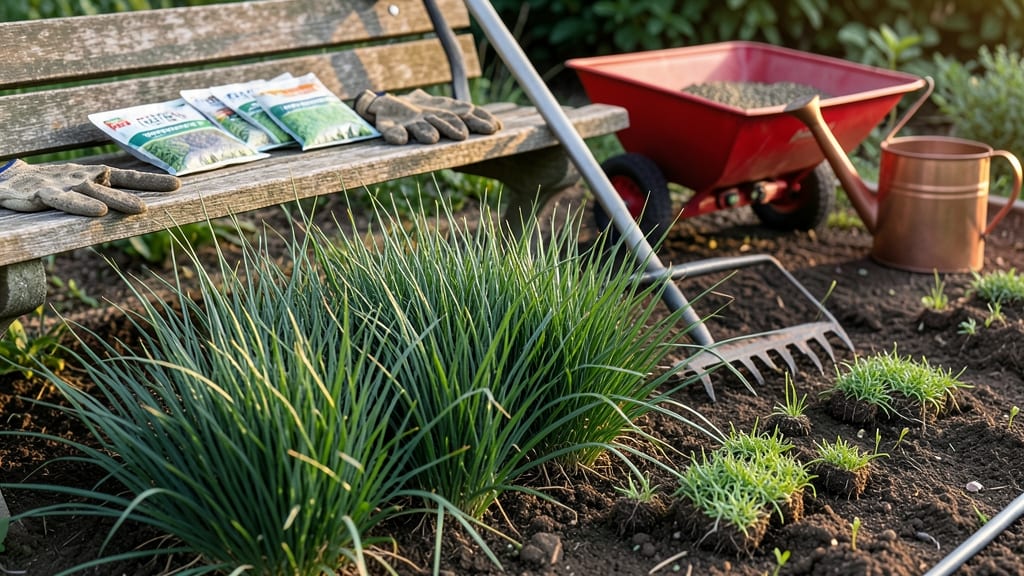
Planting Grass (Turfgrass) 🌱 in North Carolina at the wrong time can mean the difference between a lush green lawn and struggling patches that never quite take root.
The best time to plant isn’t just about the calendar—it’s about soil warmth, frost-free windows, and avoiding summer’s brutal heat or winter’s chill.
If you’ve ever watched your new grass seeds sprout only to wither under unexpected frost or fail to establish roots before drought sets in, you know timing is everything.
North Carolina’s varied climate—from the Coastal Plain’s mild winters to the Mountains’ cooler springs—means what works in Raleigh might flop in Asheville. Let’s break down the perfect windows for your zone to ensure your lawn thrives.
Spring planting in early March or April gives Grass (Turfgrass) a head start before summer’s intensity, while fall’s August-September window lets roots strengthen before winter. But here’s the catch: soil temperature must hit 55-65°F, and frost dates shift dramatically across the state.
We’ll show you exactly when to plant—plus how to prep your soil for maximum success.
Ready to skip the guesswork? You’ll leave this guide knowing not just when to plant, but how to time it for your specific corner of North Carolina—so your lawn grows thick, green, and resilient from day one.
North Carolina grass planting timeline by region: soil temperature & frost dates
North Carolina’s diverse climate—from the humid Coastal Plain to the cooler Appalachian Mountains—means your grass planting window varies dramatically by region. The golden rule?
Aim for soil temperatures between 55°F and 65°F and plant 4-6 weeks before the last frost for spring or 6-8 weeks before the first frost in fall. Let’s break it down by zone to avoid common mistakes like frost damage or summer drought stress.
For Coastal Plain (Zones 8a-8b), where winters are mild, you can start as early as late February for warm-season grasses like Bermuda or Zoysia. Meanwhile, the Mountains (Zone 6a) demand patience—wait until mid-April for spring planting to dodge late frosts. These regional differences are critical for success.
🌱
| Region | USDA Zone | Last Frost (Avg.) | First Frost (Avg.) | Ideal Planting Window | Soil Temp. Goal |
|---|---|---|---|---|---|
| Coastal Plain | 8a-8b | Feb 15 - Mar 1 | Oct 30 - Nov 15 | Feb 20 - Mar 15 (Spring) / Aug 15 - Sep 15 (Fall) | 55°F - 65°F |
| Piedmont | 7a-7b | Mar 1 - Mar 15 | Nov 1 - Nov 15 | Mar 15 - Apr 15 (Spring) / Aug 1 - Sep 10 (Fall) | 55°F - 65°F |
| Mountains | 6a-6b | Mar 15 - Apr 1 | Nov 15 - Dec 1 | Apr 1 - Apr 30 (Spring) / Aug 10 - Sep 5 (Fall) | 55°F - 65°F |
Pro Tip: Use a soil thermometer to confirm warmth before planting—cool soil delays germination!
In 2024, early planting windows may shift slightly due to climate trends. For example, the Piedmont could see its last frost arrive 1-2 weeks earlier than average, pushing the ideal spring window to mid-March. Always check local NC State Extension updates for real-time adjustments.
Fall planting offers a second chance for North Carolinians. The Coastal Plain can plant Bermuda grass as late as September 15, while the Mountains should finish by September 1 to avoid early frosts.
Cool-season grasses like Tall Fescue thrive when planted in late summer (August) for a head start before winter.
Missed the window? Don’t panic. If you plant in late spring (May), focus on shade-tolerant varieties like Fine Fescue and prioritize deep watering to combat summer heat. Conversely, late fall planting (October) risks weak root establishment before winter dormancy—stick to early fall for best results.
For warm-season grasses like Centipede or St. Augustine, time your planting to align with soil warmth (minimum 65°F). In the Coastal Plain, this means April-May, while the Piedmont waits until May-June. These grasses go dormant in winter, so fall planting isn’t ideal.
🌿
Regional microclimates add another layer of complexity. For instance, Asheville’s higher elevation may experience frost 2 weeks later than nearby Charlotte. Use local weather stations or NC A&T’s climate maps to fine-tune your timing.
Even a 10°F difference in soil temperature can mean the difference between successful germination and failed establishment.
Remember: Consistent moisture is just as critical as timing. After planting, keep soil evenly moist (not soggy) for 4-6 weeks to encourage deep root growth. In drought-prone areas like the Sandhills, consider mulching or drip irrigation to maintain ideal conditions.
✂️
North Carolina grass planting timeline by region: soil temperature & frost dates
North Carolina’s three distinct regions—Coastal Plain, Piedmont, and Mountains—each have unique frost patterns and soil warming rates. The ideal planting window hinges on two critical factors: soil temperatures reaching 55-65°F and avoiding late frosts.
In the Coastal Plain, for example, you can start as early as mid-February, while mountain regions often wait until late April.
For spring planting, aim for 4-6 weeks before your average last frost date. This gives grass seeds time to germinate before summer heat sets in. Fall planting, however, should occur 6-8 weeks before the first frost to allow roots to establish before winter dormancy.
Let’s break down the exact windows for each region to help you plan.
| Region | USDA Zone | Last Frost Date | First Frost Date | Ideal Planting Window | Soil Temp Threshold |
|---|---|---|---|---|---|
| Coastal Plain | 8a-8b | Feb 15 - Mar 1 | Oct 30 - Nov 15 | Feb 15 - Mar 15 (Spring) / Aug 15 - Sep 30 (Fall) | 55-65°F (earlier than Piedmont) |
| Piedmont | 7a-7b | Mar 1 - Mar 15 | Nov 1 - Nov 15 | Mar 1 - Apr 15 (Spring) / Aug 1 - Sep 15 (Fall) | 55-65°F (moderate) |
| Mountains | 6a-6b | Mar 15 - Apr 1 | Nov 15 - Dec 1 | Apr 1 - May 1 (Spring) / Aug 15 - Sep 10 (Fall) | 60-65°F (later than others) |
If you’re planting in 2024, consider using local frost projections from the National Weather Service. For example, the Coastal Plain might see an earlier last frost, while mountain regions could delay planting until mid-April to avoid late frosts.
Always check soil temperature with a soil thermometer—cool, damp soils can delay germination even if air temperatures seem ideal.
For fall planting, prioritize August-September to give grass roots time to establish before winter. In the Piedmont, for instance, planting in late August ensures roots grow deeply before the first frost in early November.
Avoid planting too late—grass planted in October may not have enough time to establish before cold sets in.
Pro tip: Use warm-season grasses like Bermuda or Zoysia in the Coastal Plain, where summers are hot and long. Cool-season grasses like Tall Fescue thrive in the Mountains, where summers are shorter and winters colder. Match your grass type to your region’s climate for the best results.
Timing your planting right means fewer weeds, faster germination, and a lawn that stays green year-round. With these regional guidelines, you’ll know exactly when to plant for a thick, healthy lawn—no guesswork required. 🌱