
Plants
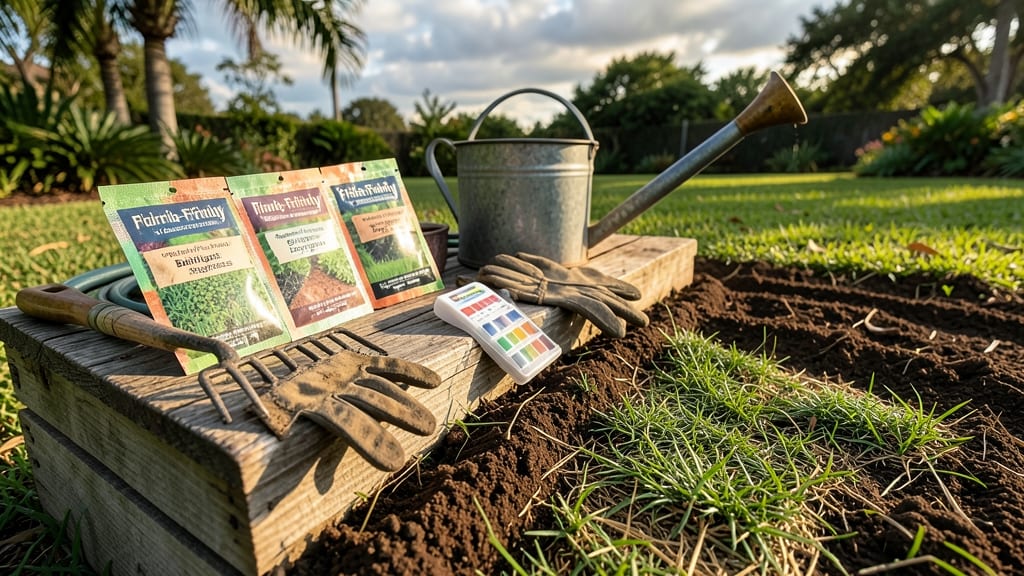
When is the best time to plant grass seed in Florida? If you’ve ever watched your seed money disappear into the heat or wash away in a downpour, you know timing is everything. Planting grass seed in Florida isn’t just about grabbing a bag and scattering—it’s about catching that perfect window when soil, rain, and temps align for germination success. The best months to plant actually surprise most Floridians: late summer to early fall (August–September) gives cool-season grasses like St. Augustine the ideal conditions to take root before winter.
Why does this matter? Because Florida’s climate is a double-edged sword—too early, and your seed wilts in the summer’s brutal sun; too late, and weeds steal your lawn’s spotlight.
I’ve seen firsthand how a well-timed planting can transform a patchy yard into a lush carpet in just 6-8 weeks, while a misjudged attempt leaves you pulling weeds for months. Let’s break down the science behind the optimal window and how to prep your soil for maximum success.
You might assume spring is the go-to season, but Florida’s warm-season grasses (like Bermuda) actually prefer the cooler shoulder months when temperatures dip just enough to slow evaporation. Meanwhile, cool-season varieties thrive when days are still warm but nights cool down—a sweet spot only August and September deliver.
The key? Soil temps above 65°F and steady rainfall to keep those tiny seeds from drying out.
Ready to skip the guesswork? I’ll walk you through the exact steps—from testing your soil’s pH to watering schedules that beat the heat—so your grass seed doesn’t just survive, but thrives in Florida’s unpredictable climate. Let’s get started.
Florida’s optimal grass seed planting window: cool-season timing explained
Timing your grass seed planting in Florida is everything—especially when you’re dealing with humidity, heat, and unpredictable rain. The best window for cool-season grasses like St. Augustine and centipede is late summer to early fall (August–September).
This timing aligns with soil temperatures dropping from scorching to ideal germination ranges of 65–75°F.
Why? Because Florida’s summer heat (June–July) can stress seeds before they sprout, while fall rains provide steady moisture without overwhelming new growth. Warm-season grasses like Bermuda or Zoysia can also be planted in early spring (March–April), but they thrive in hotter conditions—so timing depends on your grass type.
Here’s the key: Soil temperature is your best indicator. Use a soil thermometer to confirm it’s consistently above 65°F before planting. If you plant too early (May–June), seeds may overheat or dry out. If you wait too late (October+), cooler temps slow germination.
Florida’s humidity and rainfall patterns also play a role. August–September offers moderate humidity and regular but not excessive rain, reducing the risk of fungal diseases like brown patch or seed rot. Plus, weeds are less aggressive in fall, giving your grass a competitive edge.
If you’re in North Florida (Zones 8a–9a), aim for late August to early September—this gives seeds time to establish before cooler winter temps slow growth.
In South Florida (Zones 10a–11), extend your window to September–October, as winters are milder. Hurricane season (June–November) is another factor: planting in September risks storm damage, but October offers safer conditions.
Pro tip: Mulch lightly after planting to retain moisture and reduce evaporation. Use a straw mulch (not wood chips) to avoid smothering seeds. Water deeply but infrequently—2–3 times per week for the first month—to encourage deep root growth.
Avoid walking on new grass until it’s 3–4 inches tall to prevent compaction.
One common mistake? Planting warm-season grass in fall or cool-season grass in summer. St. Augustine, for example, goes dormant in winter, so planting it in late fall (November+) means it won’t recover until spring. Always match your grass type to the season.
For best results, test your soil pH (aim for 6.0–7.0) and amend with compost before planting. Florida’s sandy soils drain quickly, so top-dress with peat moss or compost to improve water retention. Pre-emergent herbicides can help block weeds for the first 6–8 weeks post-planting.
Remember: Patience is key. Germination can take 10–21 days depending on the grass type and weather. Keep an eye on moisture levels—overwatering causes disease, while underwatering leads to patchy growth. With the right timing, your Florida lawn will be lush and disease-resistant all year.
Florida’s optimal grass seed planting window: cool-season timing explained
Timing your grass seed planting in Florida isn’t just about avoiding the heat—it’s about catching that sweet spot where soil temperatures and rainfall create the perfect germination environment.
Most Floridians assume spring is ideal, but the truth is, late summer to early fall (August–September) delivers the best results for cool-season grasses like St. Augustine and centipede. During these months, daytime temps stay warm enough to encourage growth, while cooler nights reduce stress on young seedlings.
The key factor here is soil temperature. Grass seed needs soil temps between 65°F and 75°F to germinate properly. In Florida’s peak summer (June–July), soil can easily exceed 85°F, causing seeds to dry out before they sprout.
Meanwhile, planting in late summer gives seeds enough time to establish roots before winter slows growth. This window also aligns with Florida’s natural rainfall patterns, reducing the need for excessive irrigation.
Let’s break down the ideal planting months and why they work best for Florida’s climate:
| Month | Soil Temp (°F) | Rainfall (inches) | Best For |
|---|---|---|---|
| August | 70-80°F | 5-6 inches | St. Augustine, Centipede |
| September | 65-75°F | 6-7 inches | All cool-season grasses |
| October | 60-70°F | 4-5 inches | Late planting (if needed) |
For warm-season grasses like Bermuda or Zoysia, the window shifts slightly to late spring (March–May), when soil warms up naturally. However, these grasses thrive in Florida’s heat and can handle the summer months better than cool-season varieties.
The critical takeaway? Cool-season grasses need August–September, while warm-season types prefer March–May. Planting outside these windows often leads to poor germination or weed competition.
One common mistake I see is planting in June or July when Florida’s heat peaks. Seeds struggle to stay moist, and the intense sun can bake them before they sprout. Even if you water religiously, the evaporation rate in Florida’s summer is 2-3x higher than in cooler months.
That’s why I always recommend waiting until after the monsoon season’s peak (mid-August)—the increased humidity helps maintain soil moisture naturally.
Pro tip: Check your soil temperature with a soil thermometer before planting. If it’s above 80°F, wait a few weeks. Consistency is key—grass seed needs steady conditions to germinate, and Florida’s unpredictable weather can throw off even the best-laid plans.
With the right timing, you’ll see uniform germination in 7-14 days, setting your lawn up for success all year.