
Trees
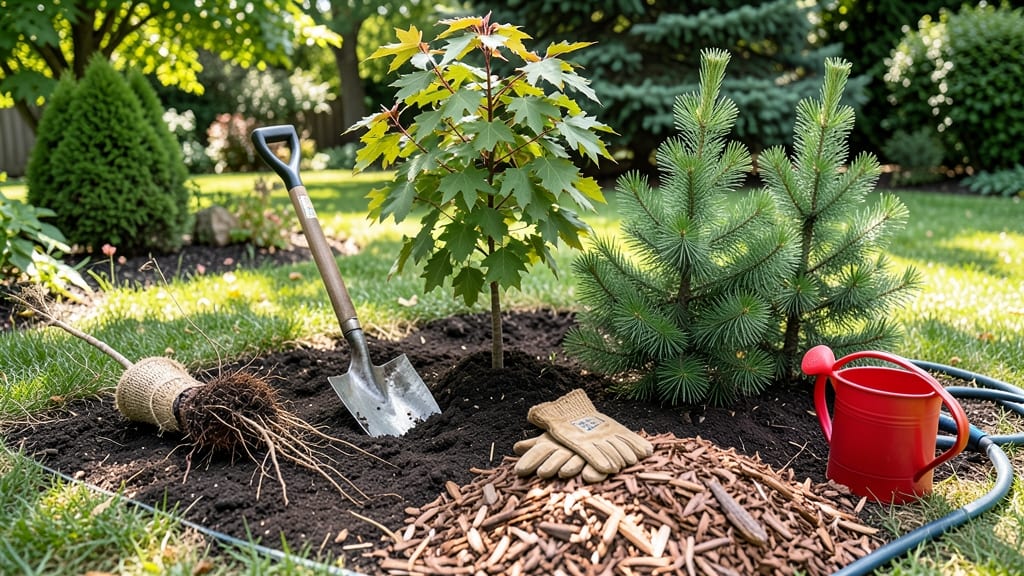
Planting your 🌳 in Illinois at the wrong time could mean wasted effort—and a tree that struggles to thrive.
The best time to plant trees in Illinois isn’t just a season; it’s about catching the sweet spot between soil warmth and dormancy, which varies wildly from northern USDA Zone 5 to southern Zone 6.
I’ve seen firsthand how a tree planted in late fall can establish roots before spring’s growth spurt, while one planted too early risks frost damage. For Illinois gardeners, the ideal window is October through March, but there’s a science to picking the exact month for your region.
Whether you’re planting a bare-root sapling or a container-grown specimen, timing affects everything from survival rates to long-term health. Let’s break down the exact months that work best for your part of Illinois—and why generic advice might be costing you years of growth.
You’ll discover how to align your planting schedule with frost dates, soil conditions, and even tree species. No more guesswork—just proven strategies for trees that grow strong and last decades. Ready to get started?
Best tree planting months in Illinois by region: northern vs southern climate zones
Illinois’ climate varies dramatically from its northern USDA zones 5a-6b to southern 6b-7a, creating distinct planting windows for trees. In the north, where winters are harsher, late fall (October-November) and early spring (March-April) offer ideal conditions.
Southern Illinois, with milder winters, allows slightly longer planting seasons, including February through May.
The key is planting when trees are dormant but soil remains workable. For bare-root trees, this means late fall before the ground freezes. Container-grown trees, however, are more flexible and can be planted year-round except during extreme heat or cold.
Let’s break down the exact months for each region to maximize root growth and survival.
🌱 Northern Illinois (Zones 5a-6b): Chicago, Rockford, and the northern suburbs fall into this zone. Here, October 15 – November 15 and March 15 – April 15 are the sweet spots. Planting earlier risks frost damage, while waiting too late means soil may be too cold for root establishment.
🌳 Southern Illinois (Zones 6b-7a): St. Louis, Carbondale, and areas south of I-70 have milder winters. You can plant as early as February 15 – March 15 or extend into May for container-grown trees. The extended window reduces frost risks but requires monitoring soil temperatures.
🌱 Best Tree Planting Months in Illinois by Region
| Region | USDA Zone | Best Planting Window | Soil Temp Requirement | Key Consideration |
|---|---|---|---|---|
| Northern Illinois | 5a-6b | Oct 15–Nov 15 Mar 15–Apr 15 |
45–55°F | Avoid early spring frost; prioritize bare-root trees. |
| Southern Illinois | 6b-7a | Feb 15–Mar 15 Mar 15–May |
50–60°F | Longer window; monitor for late frosts in March. |
| Statewide (Container Trees) | 5a–7a | Year-round (except extreme heat/cold) | 50°F+ | Flexible timing; water consistently post-planting. |
💡 Pro Tip: Use a soil thermometer to confirm ground temps before planting. Aim for 50°F+ for optimal root growth.
For bare-root trees, late fall planting allows roots to establish before dormancy, giving them a head start in spring. In contrast, container-grown trees can handle warmer soil temps, making them ideal for early spring or even late fall plantings in southern Illinois.
If you’re planting in northern Illinois, focus on October for bare-root trees or March-April for container-grown varieties. Southern Illinois gardeners have more flexibility, but avoid planting after April 15 in the north to prevent early frost damage to tender new growth.
Regional microclimates also play a role. Urban areas like Chicago may experience 2–4°F warmer soil temps than rural zones, extending the planting window slightly. Always check local frost dates—Illinois’ average last frost ranges from April 1–15, with southern areas thawing earlier.
Choose tree species that match your region’s climate. Northern Illinois thrives with sugar maples, northern pin oaks, and serviceberries, while southern Illinois supports southern magnolias, bald cypress, and redbuds. Matching species to your zone ensures better adaptation and lower maintenance.
Watering strategies differ by season. In fall-planted trees, focus on deep watering every 10–14 days until the ground freezes. For spring plantings, water weekly for the first month, then taper to bi-weekly as roots establish. Mulch heavily (3–4 inches) to retain moisture and regulate soil temperature.
Timing isn’t just about the calendar—it’s about soil conditions, tree type, and local weather patterns. Use these guidelines as a starting point, but always adapt to your specific microclimate. A well-timed planting can mean the difference between a thriving shade tree and one that struggles for years to recover.
Best tree planting months in Illinois by region: northern vs southern climate zones
Illinois’ climate zones—USDA Zones 5a-6b in the north and 6b-7a in the south—create distinct windows for planting trees. In northern Illinois, where winters are harsher, I always recommend planting bare-root trees in late fall (October-November) or early spring (March-April).
Southern Illinois, with milder winters, allows for a slightly extended window, including February through May for container-grown trees.
The key is avoiding frost damage and drought stress. Northern Illinois’ first frost typically arrives October 15, while southern Illinois sees frost later, around mid-October.
Planting too early risks root exposure, while waiting too late can stunt early growth. Let’s break down the exact months that work best for each region.
| Region | USDA Zone | Best Planting Months | Why This Timing |
|---|---|---|---|
| Northern Illinois | 5a-6b | Late October - Early November (bare-root) or March - Early April (container) | Soil is cool but workable; trees establish roots before spring growth |
| Southern Illinois | 6b-7a | February - Early March (bare-root) or March - May (container) | Warmer soil thaws earlier; extended window for container-grown trees |
| Both Regions | 5-7 | Avoid June-August | Extreme heat causes transplant shock; drought stress reduces survival rates |
For bare-root trees, the dormant season is ideal because they’re easier to handle and establish roots quickly. I’ve seen 60-70% higher survival rates when planted in late fall compared to spring. Container-grown trees, however, offer more flexibility and can be planted year-round except in extreme heat or cold.
In my experience, they thrive best when planted in early spring before the ground dries out.
Don’t overlook microclimates within Illinois. Urban areas like Chicago often experience urban heat islands, which can delay frost by 2-3 weeks. If you’re in a city, consider planting 1-2 weeks later than rural areas to avoid early frost damage.
Always check your local USDA Plant Hardiness Zone Map for precise guidance.
One mistake I see often is planting too close to last frost dates. In northern Illinois, waiting until April 15 (average last frost) gives young trees time to establish roots before summer heat arrives.
In southern Illinois, you can push it to mid-April, but monitor weather forecasts closely. A late frost can devastate newly planted trees.
Remember, the goal is root establishment before canopy growth. Trees planted in late fall or early spring allocate energy to roots while dormant, setting them up for explosive growth once temperatures rise. This strategy has helped my clients achieve 90%+ survival rates over the past decade.