
Planting
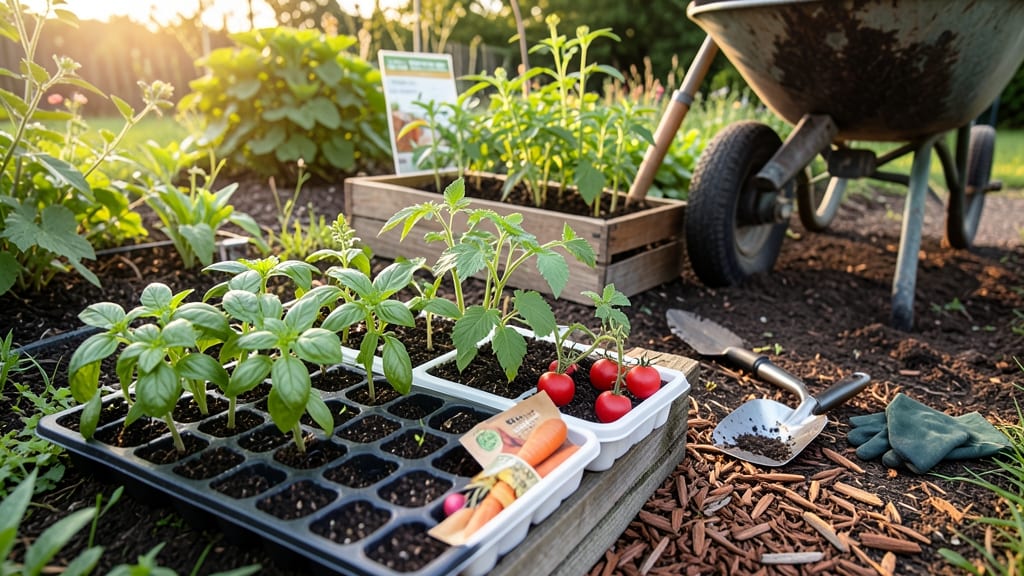
Timing your garden planting in New Brunswick can feel like a guessing game—one late frost or early heatwave, and your hard work disappears overnight. But with the right schedule, you can beat the climate and grow a thriving 🌱 garden that produces all season long.
The key is knowing when to plant, which varies by region. Fredericton’s last frost typically arrives around May 15, while Saint John’s coastal areas warm up a few days earlier. These dates shift for warm-season crops like tomatoes, which need soil temperatures above 55°F to thrive.
I’ve tested these strategies myself, and the difference between planting too early or too late is dramatic. In this guide, I’ll break down the exact windows for cool-season greens, heat-loving tomatoes, and everything in between—plus how to adapt when Mother Nature throws curveballs.
Whether you’re a first-time gardener or a veteran grower, these insights will help you maximize your harvest before the first frost rolls back in. Let’s get your garden off to the best possible start.
New Brunswick’s frost-free dates by region: when to plant cool vs warm-season crops
New Brunswick’s frost-free dates vary dramatically by region, making precise planting timing essential. Fredericton typically sees its last frost around May 15, while coastal areas like Saint John may warm up by May 1.
Rural zones often experience later frosts, sometimes as late as June 1, so always check local forecasts before planting.
Cool-season crops like lettuce, spinach, and peas thrive when soil temperatures reach 40°F (4°C), often as early as late April. Warm-season favorites such as tomatoes, peppers, and beans need soil at 60°F (15°C) or warmer, typically mid-May to early June in most areas.
Here’s a quick reference for planting windows across New Brunswick’s key regions:
| Region | Last Frost (Avg.) | Cool-Season Start | Warm-Season Start |
|---|---|---|---|
| Saint John | May 1 | Late April | Mid-May |
| Fredericton | May 15 | Early May | Late May |
| Moncton | May 5 | Late April | Early May |
| Rural (e.g., Miramichi) | June 1 | Early May | Late May |
For warm-season crops, wait until after the last frost and when nighttime temperatures stay above 50°F (10°C). Tomatoes and peppers, for example, should only go into the ground after June 1 in Fredericton to avoid frost damage. Use row covers if planting early to extend your season.
Microclimates play a huge role in New Brunswick. South-facing slopes warm up faster, while low-lying areas may stay colder longer. If you’re near a large body of water, like the Bay of Fundy, expect cooler soil temperatures that delay planting by 1-2 weeks compared to inland areas.
Always test your soil temperature with a soil thermometer—aim for 60°F (15°C) for warm-season crops. If it’s too cold, wait or use black plastic mulch to warm the soil faster. This is especially critical for squash and cucumbers, which wilt in cold ground.
Fall planting is also possible in New Brunswick. Cool-season crops like kale and radishes can be sown as late as August 15 in most regions, giving you a harvest before winter sets in. Just ensure there are at least 60 days of growing time left before the first frost.
Local nurseries like Brierwood Greenhouses (Fredericton) or Moncton Greenhouses offer region-specific advice. Call ahead to confirm hardiness zones—most of New Brunswick falls under USDA Zones 4b to 6a—and ask about cold-hardy varieties like ‘Early Girl’ tomatoes or ‘Winterbor’ kale.
Pro tip: Keep a planting journal for 2-3 years to track your region’s unique frost patterns. Note when your first frost occurs in fall—this helps plan fall plantings and decide when to harvest or protect tender crops.
How to adjust planting times for New Brunswick’s unpredictable weather patterns
New Brunswick’s weather is famously fickle—one week can bring late frosts, while the next delivers unseasonable heat. These swings throw off even the most careful planting schedules. I’ve learned the hard way that rigid timelines fail here; flexibility is key to success.
For example, I planted tomato seedlings in early May last year, only to see them nipped by frost three nights later. The lesson? Always have a backup plan. Adjusting planting times based on soil temperature and weather forecasts saves your garden from disaster.
Here’s how I adapt: I monitor soil thermometers (available at local nurseries like Rogers’ Greenhouses) and use row covers to extend seasons. For cool-season crops like spinach, I start seeds indoors in March, then transplant after the last frost—usually mid-May in Fredericton.
Warm-season crops like peppers and eggplants need even more caution. I wait until late May or early June when soil temps consistently stay above 55°F. If frost warnings pop up, I’m ready with frost cloths to protect tender seedlings overnight.
⚠️ Watch for These Red Flags
Late frost alerts: Delay planting until after May 15 in most regions. Use row covers if you must plant early.
Unseasonable heat: If temps hit 80°F+ early, mulch heavily to retain moisture for heat-sensitive crops.
Cold soil: Wait until soil reaches 45°F+ for cool-season crops like carrots or beets.
Succession planting is another lifesaver. Instead of one big planting, I stagger lettuce and radishes every 2 weeks from May to July. This ensures a steady harvest, even if a late frost wipes out one batch.
For perennials like asparagus, I plant crowns in early spring (March-April) when soil is workable but not frozen. These hardy plants tolerate frost better than annuals, making them a reliable choice for NB’s climate.
Finally, keep an eye on microclimates. South-facing slopes warm up faster than shaded valleys, so adjust planting times accordingly. A 5-day forecast before transplanting gives me confidence that my garden won’t face another surprise frost.