
Plants
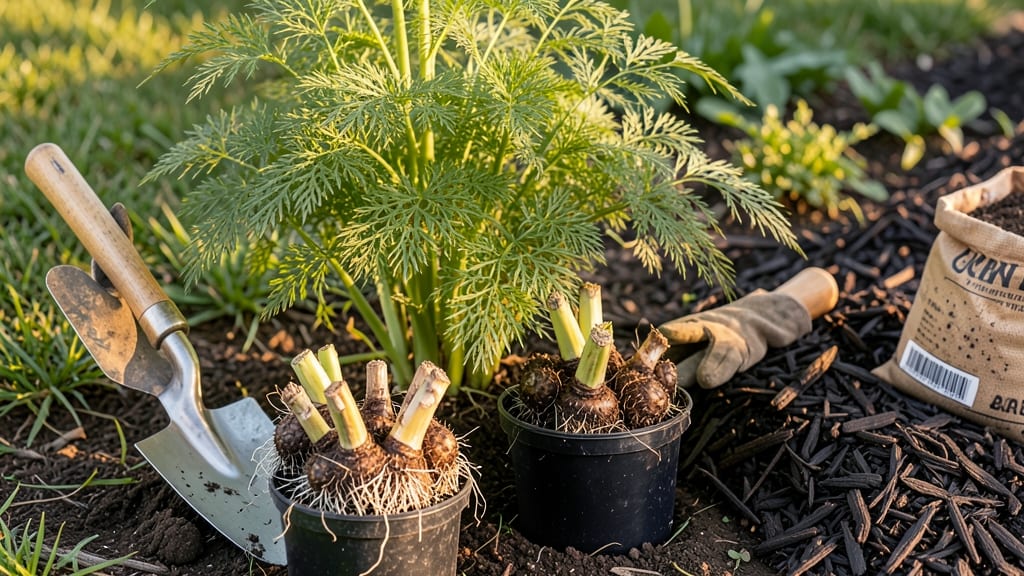
Planting asparagus in Utah isn’t just about timing—it’s about reading the soil’s secret signals before the desert heat takes over. Too early, and frost nibbles your tender crowns; too late, and your plants bolt into summer without establishing roots.
The sweet spot? When soil temps hit 40–50°F—usually March to April—giving your 🌱 asparagus the head start it needs to thrive in Utah’s high-desert climate.
Here’s the kicker: Utah’s microclimates—from Salt Lake’s valleys to Southern Utah’s high elevations—can shift planting windows by weeks. What works in Zone 5b might fail in Zone 7b if you don’t account for frost dates or afternoon heat.
I’ll break down the exact cues to watch for, so you’re not guessing whether your asparagus will sprout or shrivel under the sun.
You’ll also discover how to prep your soil like a pro—because Utah’s alkaline dirt and clay-heavy patches can stifle growth if you’re not careful. We’re talking pH tweaks, mulching hacks, and watering schedules that beat the drought without drowning your plants.
Skip these steps, and you might as well plant seeds in concrete.
By the end, you’ll know exactly when to dig in, how deep to bury those crowns, and the one Utah-specific trick that keeps asparagus productive for 10+ years. No more second-guessing—just a foolproof plan for Utah’s unpredictable springs.
Utah’s ideal asparagus planting window based on soil temperature
Timing your asparagus planting in Utah hinges on two critical factors: soil temperature and last frost dates. Unlike many vegetables, asparagus crowns thrive when planted in 40–50°F soil, which typically aligns with late March to mid-April across most of Utah.
This window ensures roots establish before summer heat arrives, preventing stress that can stunt growth.
Utah’s diverse elevations create microclimates—Salt Lake Valley (Zone 6b) warms faster than Cache Valley (Zone 5b) or Southern Utah’s high desert (Zone 7a). Adjust your schedule: lowland areas can plant as early as mid-March, while mountain-adjacent zones may wait until late April to avoid late frosts.
Use a soil thermometer to confirm readiness—planting too early in cold soil delays root growth, while waiting too long risks heat stress before establishment. Aim for 6–8 weeks before your area’s last frost (typically April 15 in Utah’s valleys) to balance these risks.
Here’s how Utah’s regions compare for optimal planting:
| Region | USDA Zone | Ideal Planting Window | Soil Temp Trigger |
|---|---|---|---|
| Salt Lake Valley | 6b | Mid-March to early April | 45–50°F |
| Cache Valley | 5b | Late March to mid-April | 40–45°F |
| Southern Utah (St. George) | 7a | Early to mid-March | 50–55°F |
| High Desert (Price, Moab) | 6a | Late March to early April | 42–48°F |
For high-elevation gardens above 7,000 feet, extend your planting window to late April to avoid late spring frosts. Check the National Weather Service’s Utah frost forecast for your specific area—even a 28°F dip after planting can damage tender asparagus crowns.
Pro tip: Pre-warm the soil in colder zones by covering beds with black plastic mulch 2–3 weeks before planting. This raises soil temps by 5–10°F, accelerating root establishment. Just remove the plastic once crowns are planted to prevent overheating.
Fall planting is not recommended in Utah due to the risk of winter heaving—frost expanding soil and dislodging roots. If you miss spring, wait until next year for a successful harvest.
Once planted, maintain consistent moisture for the first 60 days to encourage root spread. Utah’s dry winds can dry soil quickly, so mulch heavily with straw or wood chips to retain moisture and regulate temperature.
Remember: Patience is key—asparagus crowns take 2–3 years to reach full production. Proper spring planting sets the stage for decades of harvests, making this timing investment worth every minute.
Utah’s ideal asparagus planting window based on soil temperature
Timing your asparagus planting in Utah hinges on soil temperature, not just the calendar. The magic window opens when soil reaches 40–50°F, typically mid-March to early April in most of Utah.
This ensures roots establish before the desert heat kicks in—critical for perennial asparagus that needs years to mature.
Why soil temp matters: Asparagus crowns rot if planted in cold, wet soil, but they won’t sprout if the ground is too warm. Use a soil thermometer (or your elbow—press your fist into the soil; if it’s cool but not freezing, it’s ready).
In Zone 5b (Northern Utah), aim for late March; in Zone 7b (Southern Utah), early April is safer.
Pro tip: Utah’s high-desert climate means daytime temps can spike while nights stay chilly. Plant 1–2 weeks earlier in elevated areas (e.g., Park City) where soil warms slower. Conversely, low-lying areas like St. George may need to wait until mid-April to avoid premature heat stress.
Fall planting is a no-go in Utah—our winters are too harsh for asparagus crowns to survive. If you miss the spring window, wait until next year. Patience pays off: Asparagus crowns take 2–3 years to establish, but with the right timing, you’ll enjoy harvests for decades.
Don’t rely on air temperature alone. A 50°F day might hide 35°F soil—ideal for testing is 6 AM on a cloudy morning, when temps are most stable. This is how Utah’s most successful asparagus growers time their plantings.
Once you’ve nailed the timing, the next critical step is soil prep. Utah’s alkaline clay soils need amendment to hit the pH 6.5–7.5 sweet spot for asparagus. I’ll cover that in the next section—plus how to space crowns for maximum yield without crowding.