
Plants
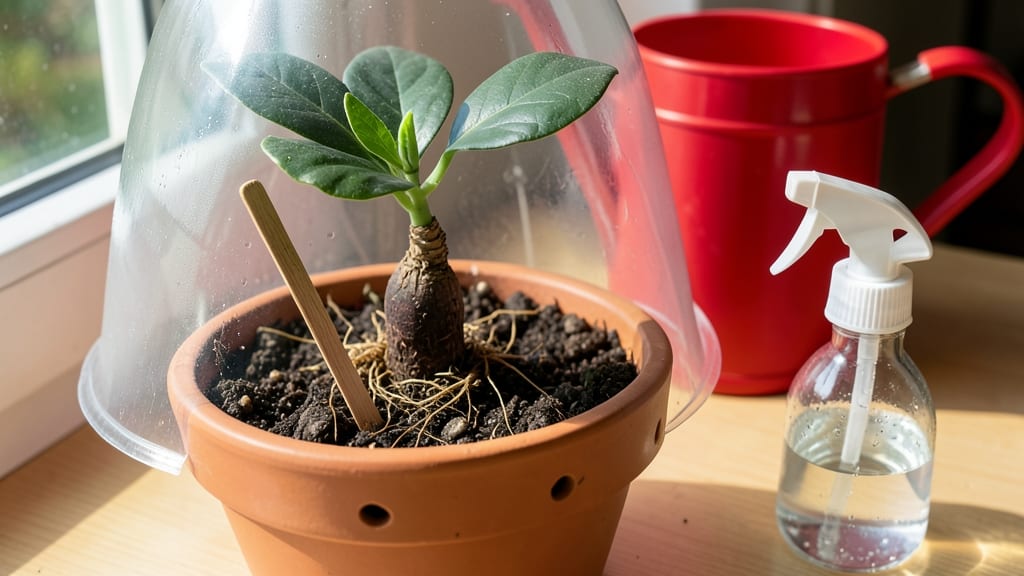
Planting an avocado pit in soil might seem like a gamble—will it even sprout? The truth is, timing makes all the difference between a thriving 🥑 avocado seedling and a wasted effort. If you’ve ever tried this experiment and watched your pit rot instead of root, you’re not alone.
Spring is the sweet spot for starting avocado pits, when soil warms up and days grow longer. But here’s the catch: indoor vs. outdoor planting changes everything.
I’ll break down the exact windows for your climate, plus soil tricks that cut germination time in half—so you’re not waiting months for that first green shoot.
Most gardeners overlook one critical factor: moisture balance. Too much water drowns the pit; too little stalls growth. I’ll show you the easy soil prep method that keeps roots happy from day one, whether you’re using a pot or direct-sowing.
Ready to turn that kitchen scrap into a tree? Let’s dive into the simple steps that actually work—no guesswork, just results. Your future avocado tree starts here.
The best time of year to plant avocado pits for successful germination
Timing your avocado pit planting correctly can mean the difference between a thriving seedling and a failed experiment. Avocado pits thrive in warmth and humidity, so planting too early in cold months can stall root growth or even kill the pit before it sprouts.
The ideal window depends on whether you're growing indoors (year-round) or outdoors (seasonal).
For indoor germination, you can plant your avocado pit anytime—no seasonal restrictions! However, maintaining consistent 65–75°F temperatures and humidity levels is key. If you're planting outdoors, aim for spring after the last frost, when soil temperatures exceed 60°F. This ensures roots establish before summer heat arrives.
In tropical climates, avocado pits can be planted year-round, but germination speeds up during the warm, rainy season. In temperate zones, wait until late spring or early summer, while cold-climate gardeners should delay until mid-to-late summer when nights stay above 55°F.
Transplanting outdoors too soon risks shock from temperature swings.
| Climate Type | Best Planting Window | Ideal Soil Temp | Key Consideration |
|---|---|---|---|
| Tropical (Zones 10-11) | Year-round (peak: rainy season) | 65–85°F | High humidity speeds germination |
| Temperate (Zones 7-9) | Late spring to early summer | 60–75°F | Wait for stable 60°F+ soil temps |
| Cold (Zones 3-6) | Mid-to-late summer | 70–80°F (indoor start) | Transplant only after frost risk passes |
| Indoor (Anywhere) | Anytime (year-round) | 65–75°F | Use grow lights if natural light is low |
If you're growing indoors, start your avocado pit in early spring to give it a head start before transitioning outdoors in summer. This strategy works especially well in USDA Zones 5-8, where early indoor starts can be moved to gardens by June or July.
Always monitor for root growth—once roots reach 3–4 inches, it's ready for soil planting.
Outdoor planting requires patience. In Zone 9 and below, wait until nighttime temperatures stay above 55°F consistently. Use a soil thermometer to confirm—60°F+ is the magic number for root activation.
Pro tip: If your area has hot summers, plant in early summer to avoid transplant shock from sudden heat spikes.
For container gardening, timing is less critical since you control the environment. However, place pots outdoors only after all frost danger has passed and acclimate gradually to prevent shock.
Harden off seedlings by moving them to partial shade outdoors for 1–2 hours daily, then increase exposure over 10–14 days.
One common mistake is planting too early in cool climates. Avocado pits can rot in cold, wet soil. To test soil readiness, stick your finger 2 inches deep—if it feels warm to the touch, it's time.
In Zone 7 or cooler, consider starting pits indoors in February or March for a summer transplant.
Remember, avocado trees are slow growers. Rushing the process by planting too soon can set your seedling back by months. Patience pays off—with the right timing, you'll see first leaves in 4–8 weeks and a mature tree in 10+ years! 🌱
The best time of year to plant avocado pits for successful germination
Timing your avocado pit planting is the secret to avoiding the rotten pit syndrome that frustrates so many gardeners. Most experts agree that spring is the ideal window—when soil temperatures hover between 65°F and 80°F.
But here’s the catch: your climate dictates whether you should start indoors (cooler zones) or outdoors (tropical areas).
In USDA Zones 9-11, you can plant avocado pits directly in well-draining garden soil as early as February, capitalizing on the natural warmth. However, gardeners in Zones 5-8 should begin indoors in March to give seedlings a head start before the last frost.
The key is root development—you want a 1-inch root system before transplanting outdoors.
⚠️ CRITICAL MISTAKE: Planting too early in cold climates leads to stunted roots or even death. Always wait until nighttime temperatures stay above 50°F before moving seedlings outside. I’ve seen too many well-intentioned gardeners rush this step and watch their progress reverse overnight.
| Climate Zone | Best Planting Window | Ideal Soil Temp | Transplant Ready |
|---|---|---|---|
| Tropical (Zones 9-11) | February–March (outdoors) | 65°F–85°F | 4–6 weeks |
| Temperate (Zones 7-8) | March–April (indoors) | 70°F–78°F | 6–8 weeks |
| Cold (Zones 5-6) | April–May (indoors) | 75°F–80°F | 8–10 weeks |
For indoor starters, place your container near a south-facing window or under grow lights to mimic spring sunlight. I use a simple DIY setup with a mason jar and toothpicks—it’s foolproof and requires zero special equipment.
The goal is to keep the pit consistently moist (not soggy) while encouraging root growth before the first true leaves appear.
Outdoor planting should wait until after Memorial Day in most regions, when the soil has warmed to at least 60°F at a 6-inch depth. Use a soil thermometer to check—this small investment saves weeks of waiting.
I’ve transplanted seedlings too soon, only to watch them wilt under unpredictable nighttime chills. Patience here pays off with stronger root systems.
Pro tip: If you’re in a drought-prone area, hold off until June to avoid transplant shock. Avocado trees hate waterlogged roots, and dry spells can stress young seedlings. Mulch heavily after planting to retain moisture and warmth—this simple step can double your success rate. 🌱