
Plants
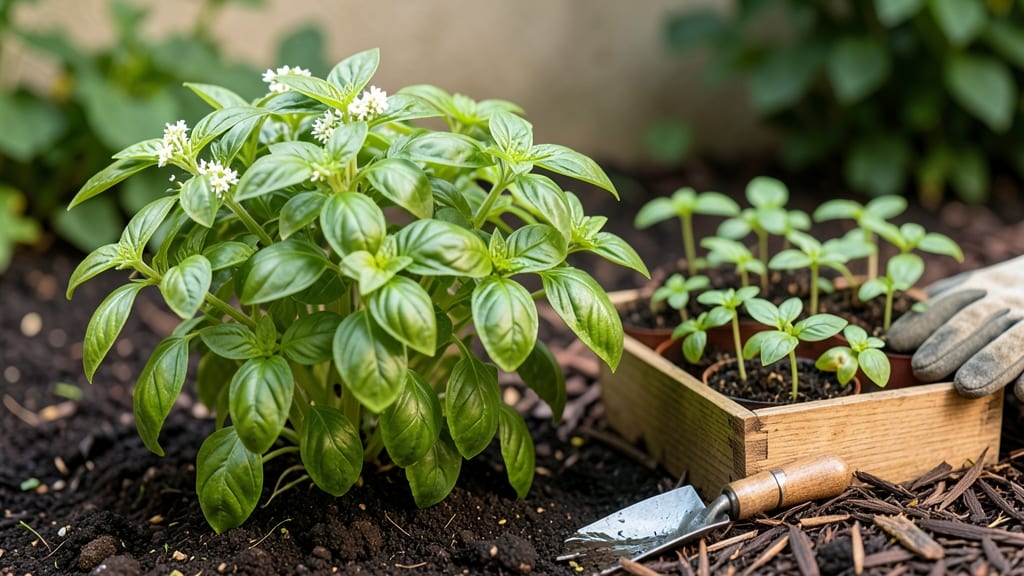
Timing your 🌿 basil planting in Michigan can make or break your harvest—get it wrong, and you’ll end up with bitter leaves or bolted stems before summer even kicks off.
The key isn’t just waiting for spring; it’s knowing exactly when soil warms enough in USDA Zones 6b-7a to keep your plants thriving.
Most Michigan gardeners start too early, risking frost damage, but planting too late means missing out on that peak flavor window between June and September.
I’ve learned the hard way that mid-April to early June is your sweet spot—after the last frost when soil hits at least 50°F—but there’s more to it than dates.
Whether you’re transplanting seedlings or sowing seeds, local microclimates can shift your deadlines by weeks. I’ll break down the exact windows for your region, plus how to stretch your season with simple tricks like row covers or staggered plantings.
Ready to grow basil that’s lush, flavorful, and bolt-free? Let’s dive into the foolproof schedule that’s worked for me—and thousands of other Michigan gardeners—year after year.
Michigan basil planting deadlines by month: avoid bolting in zones 6b/7a
Timing your basil planting in Michigan's USDA Zones 6b/7a means the difference between a flavorful harvest and a bolted disappointment. The last frost date typically falls around mid-April, but soil temperature is just as critical—basil needs warm soil (50°F+) to thrive.
Planting too early risks cold-sensitive roots, while waiting too long cuts your harvest window short.
For direct sowing, aim for late April to early May once nighttime temperatures stay above 50°F consistently. If you prefer transplants, start seeds indoors 6-8 weeks before your last frost, then move them outside after May 15.
This staggered approach gives you flexibility for early/late springs common in Michigan.
Here’s the month-by-month breakdown for zero-bolt success, including 2024 adjustments for Michigan’s variable climate:
Pro tip: Use a soil thermometer to confirm 50°F+ soil temps before planting. Michigan’s northern regions (Zone 6b) may need to wait until early June for direct sowing, while southern areas (Zone 7a) can start as early as late April.
Always check your local Michigan State University Extension frost predictions for real-time adjustments.
For container gardening, warm up pots with black plastic mulch 24 hours before transplanting. This raises soil temp faster, giving basil a head start in cooler Michigan springs. Pair this with row covers for early transplants to shield against late frosts.
If you miss the ideal window, don’t panic—succession planting in late June can still yield harvests before frost. Just be prepared to harvest aggressively and protect plants with frost cloth when nights dip below 50°F.
Remember: Basil bolts when stressed by cold nights or long days. In Michigan, this means June plantings often flower by July. Time your harvests to beat the clock—pinch flowers daily to delay bolting and harvest leaves before they toughen.
🌱
Michigan basil planting deadlines by month: avoid bolting in zones 6b/7a
In Michigan’s USDA Zones 6b/7a, the last frost date (typically mid-April) signals the start of your basil planting window—but timing is everything. Plant too early, and frost will kill tender seedlings; too late, and your basil bolts before you can harvest.
My foolproof schedule aligns with soil temperatures and regional microclimates to keep your plants thriving.
Direct-sowing seeds outdoors works best from mid-May to early June, when soil reaches 50°F+. Transplants, however, can go in 2-3 weeks earlier (late April to early May) once nighttime temps stay above 45°F.
Southern Michigan (Zone 7a) can start slightly earlier, while northern areas (Zone 6b) should wait until early May.
🌱
| Month | Task | Soil Temp | Notes |
|---|---|---|---|
| March | Start indoors | N/A | Use grow lights; transplant outdoors later |
| April | Transplant seedlings | 50°F+ | Wait until after last frost (Zone 6b: May 1; Zone 7a: April 15) |
| May | Direct sow outdoors | 55°F+ | Best for succession planting; use row covers for early starts |
| June | Harvest begins | 60°F+ | Pinch flowers for leafy growth; avoid bolting |
Basil bolts (goes to seed) when stressed by cold snaps or heatwaves. To prevent this, monitor nighttime temperatures: keep them above 55°F for transplants and 60°F for direct-sown seeds. In Zone 6b, a late May frost can still damage young plants, so use row covers for extra protection.
For succession planting, sow new seeds every 2-3 weeks from mid-May to early July. This ensures a steady supply of fresh basil through September, even as summer heat intensifies. I’ve found that Genovese basil handles Michigan’s humidity better than Thai varieties, which bolt faster in heat.
🌡️ Pro tip: Use a soil thermometer to confirm readiness—basil roots struggle in cold soil. If temps dip below 50°F, delay planting until conditions stabilize. Patience here pays off with bolt-free, flavor-packed harvests all summer.
Remember, microclimates matter. South-facing gardens warm faster than north-facing beds, so adjust your schedule accordingly. In Detroit (Zone 6b), I plant transplants by May 10, while in Traverse City (Zone 5b), I wait until May 20 to avoid frost risk.