
Plants
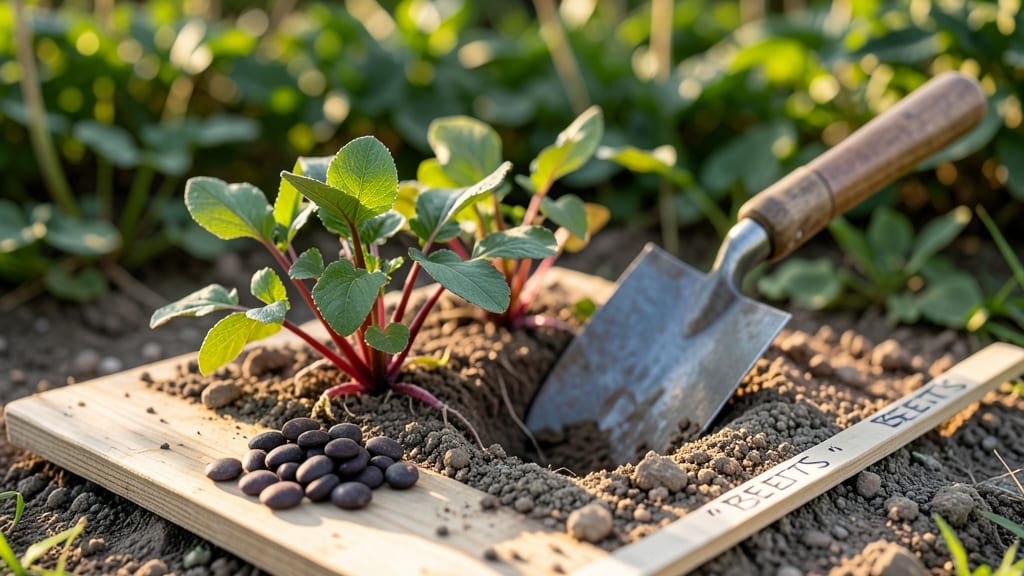
Planting beets in Arkansas at the wrong time can turn your crisp, sweet roots into tough, bitter failures—so timing is everything.
The key to growing 🍠 beets that thrive in Arkansas’ 7a-8a climate lies in knowing exactly when to start seeds, whether you're aiming for early spring harvests or late-summer planting.
Most Arkansas gardeners make the mistake of planting too early, only to watch their beets bolt in the heat or struggle with cool soil. But with the right schedule—4-6 weeks before your last frost date—you can avoid these pitfalls and enjoy tender roots from May through November.
In this guide, I’ll break down the exact weeks to plant beets in Arkansas, accounting for regional microclimates, soil prep, and even humidity’s role in bolting.
Whether you’re a first-time gardener or a seasoned green thumb, these tips will help you grow beets that are sweeter, crisper, and more abundant than ever.
Ready to skip the guesswork? Let’s dive into the perfect planting windows that work for Arkansas’ unique growing conditions—no more wasted seeds or disappointing harvests.
Arkansas last frost dates: exact weeks before planting beets for success
Arkansas' USDA Hardiness Zones 7a-8a create a unique challenge for beet growers. The state’s last frost dates vary dramatically—from mid-March in northern regions to late February in southern Arkansas.
To avoid bolting or woody roots, timing is critical. Planting 4-6 weeks before your local last frost date ensures seedlings establish before heat stress sets in.
Northern Arkansas (Zones 7a) typically experiences its last frost around March 15, while southern Arkansas (Zones 8a) sees frost-free conditions by February 28. For Detroit Dark Red or Chioggia varieties, this means starting seeds indoors by mid-February in the south or late February in the north.
Direct sowing outdoors should begin 2-3 weeks later once soil temperatures reach 50°F (10°C).
Soil temperature is just as important as air temperature. Beets struggle in cold, wet soils below 45°F (7°C), which can stunt germination. Use a soil thermometer to confirm readiness—50-60°F (10-15°C) is ideal for planting.
In Arkansas’ humid climate, well-draining soil prevents rot, so amend heavy clay with compost or sand before sowing.
Microclimates within Arkansas add another layer of complexity. Elevated areas like the Ozark Mountains may experience frost 1-2 weeks later than lowland regions. Check local Arkansas Cooperative Extension Service data for your county—this resource provides hyper-local frost predictions based on historical records.
| Region | Last Frost Date | Planting Window (Outdoors) | Indoor Start Date | Soil Temp Threshold |
|---|---|---|---|---|
| Northern Arkansas (Zones 7a) | March 15 | March 1-15 | Mid-February | 50°F (10°C) |
| Central Arkansas (Zones 7b) | March 1 | February 25 - March 10 | Late February | 50°F (10°C) |
| Southern Arkansas (Zones 8a) | February 28 | February 15 - March 1 | Mid-February | 50°F (10°C) |
| Ozark Mountains (Elevated) | March 22 | March 10-25 | Late February | 50°F (10°C) |
For a second harvest, Arkansas gardeners can plant late summer beets (July-August) for a fall crop. Aim to sow seeds 8-10 weeks before your first frost (typically October 15-November 1 in Arkansas).
This timing ensures beets mature before cool nights trigger bolting. Use row covers in September to extend the growing season if needed.
Arkansas’ humid summers can stress beet plants, so succession planting in 2-week intervals provides a steady harvest. Start with a small test batch in early spring to gauge your soil’s response—some Arkansas soils may need lime or sulfur to adjust pH to the ideal 6.0-7.0 range for beets.
Protect young seedlings from pests like leaf miners and deer with floating row covers or physical barriers. In northern Arkansas, a lightweight cloth can shield plants from late spring frosts that often hit after the official last frost date.
Monitor weather forecasts and be ready to cover plants overnight if frost is predicted.
Remember: Beets are cool-season crops, but they bolt when exposed to consistent temperatures above 80°F (27°C). Arkansas’ summer heat makes fall planting the safer bet for larger roots. For smaller baby beets, you can experiment with shade cloth during peak summer months to slow bolting.
By mastering these Arkansas-specific planting windows, you’ll enjoy crisp, sweet beets from spring through fall—without the
Best beet varieties for Arkansas gardens and their planting strategies
Not all beet varieties thrive equally in Arkansas’ humid, heat-prone summers and variable spring frosts. The right choice ensures sweet, crisp roots instead of bitter or woody ones. For Arkansas gardens, I recommend these top 5 varieties, each with its own planting window and care strategy to maximize success.
Detroit Dark Red is my go-to for Arkansas gardeners—its deep red roots store well and tolerate moderate heat better than many varieties. Plant these seeds 4-6 weeks before your last frost date (typically late February to early March) for a spring harvest. For a fall crop, sow seeds in late July to early August to avoid summer bolting.
The striking Chioggia beet, with its swirled pink-and-white interior, is perfect for Arkansas’ cooler months. Its shorter growing season (50-60 days) makes it ideal for early spring or late fall plantings.
Start seeds indoors in January for transplanting after the last frost, or direct-sow in September for a fall harvest before frost.
🌱 Spring Planting vs. Fall Planting
Spring Planting (Feb-Mar)
- ✅ Pros: Cooler soil temps prevent bolting
- ✅ Pros: Avoids summer heat stress
- ✅ Pros: Harvests align with peak beet flavor
Fall Planting (Jul-Aug)
- ⚠️ Cons: Risk of bolting in summer heat
- ✅ Pros: Fewer pests in late summer
- ✅ Pros: Extended harvest into fall
Golden beets are a fantastic choice for Arkansas gardeners who want milder-flavored, quicker-maturing roots. These varieties (like Burpee Golden) mature in just 50 days, making them perfect for succession planting every 2-3 weeks from March through July. Their tolerance for partial shade also works well in Arkansas’ humid afternoons.
For continuous harvests, baby beets like Detroit Baby are ideal. Plant them in late winter (January-February) for early spring greens or late summer (August-September) for fall harvests. Their small size means you can plant them closer together, maximizing space in Arkansas’ compact garden plots.
To maximize your Arkansas beet harvest, pair these varieties with companion plants like lettuce, onions, or radishes, which deter pests and improve soil health. Avoid planting near pole beans or sunflowers, which can stunt beet growth.
With the right variety and timing, you’ll enjoy crisp, homegrown beets from spring through fall!