
Plants
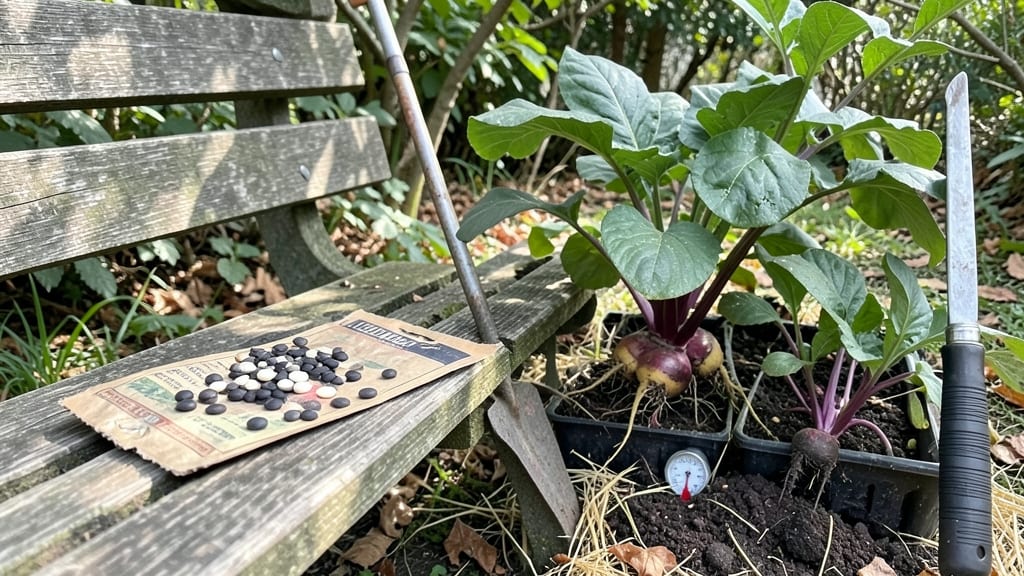
Planting beets in Minnesota at the wrong time can leave you with bitter, tough roots instead of the sweet, tender harvest you crave. The secret to success lies in understanding your frost-free window—because those crisp, vibrant 🍠 beets need just the right conditions to thrive.
With Minnesota’s USDA Zones 4a-5b, timing matters more than you might think. Whether you’re in the Twin Cities or up in the Iron Range, planting too early risks frost damage, while waiting too long cuts your harvest short.
The good news? There’s a perfect 6-week window in both spring and late summer that guarantees the best results.
I’ve grown beets in Minnesota for years, and I’ll show you exactly when to plant—whether you’re aiming for early summer harvests or stretching your season into fall. We’ll cover soil temperatures, regional differences, and even how to extend your growing season with simple tricks.
Ready to grow beets that are sweet, crisp, and ready to harvest? Let’s get started with the timeline that works for Minnesota’s climate—no guesswork needed.
Minnesota’s ideal beet planting timeline by region
Minnesota’s frost dates vary dramatically from the Iron Range to the Twin Cities, making regional timing critical for beet success. Northern Minnesota’s USDA Zone 3 faces last frosts in mid-May, while Southern Minnesota’s Zone 5 sees them by early May.
Planting too early risks frost damage, but waiting too long cuts your harvest window short.
Beets thrive in soil temperatures above 50°F, so use a soil thermometer to confirm readiness. In Central Minnesota, aim for late April to early May—this balances frost risk and soil warmth.
For Northern gardens, delay until early May to avoid cold snaps, while Southern gardeners can start as early as mid-April.
🌱
Don’t overlook fall planting—beets are cold-hardy and can tolerate light frosts. For a late-summer harvest, sow seeds in July (Northern MN) or early August (Southern MN). This extends your season until first frost, often mid-October in the south and early October in the north.
Use row covers or cold frames to protect early or late plantings. In Northern Minnesota, these can push your harvest window 2-3 weeks earlier or later. For Southern Minnesota, focus on succession planting every 2 weeks from May to July to ensure a steady supply.
🌡️
Pro tip: Hardened beet varieties like ‘Detroit Dark Red’ or ‘Golden’ handle Minnesota’s temperature swings better than delicate types. Pair them with straw mulch to regulate soil temps and retain moisture during dry spells—common in June and July.
Test your soil’s pH level (aim for 6.0–7.0) before planting. Minnesota’s clay-heavy soils in many areas benefit from compost or sand amendments to improve drainage. Poor drainage leads to rotten roots, a common issue in Northern gardens.
💧
For container gardening, plant beets in 5-gallon pots and keep them in a sunny spot. Containers warm up faster than garden beds, so you can start 2–3 weeks earlier than in-ground plantings. Just ensure pots have drainage holes to prevent waterlogging.
Track your local frost dates using the MN State Climatology Office or Almanac tools. Adjust your timeline by 1–2 weeks if you’ve had unusually early/late frosts in past years. Flexibility is key—Minnesota’s weather doesn’t follow a script!
5 Critical factors that determine beet planting success in Minnesota
Minnesota’s beet-growing success hinges on five key factors: frost dates, soil temperature, moisture balance, succession planting, and harvest timing. Mastering these ensures your beets thrive from seed to harvest—no soggy surprises here! The USDA Zones 3-5 in Minnesota demand extra attention to these variables.
First, last frost dates are your planting compass. In Northern Minnesota, aim for mid-May after soil warms to 50°F+. Central Minnesota gardeners can start 2-3 weeks earlier, while Southern Minnesota’s early April window lets you plant sooner. Always check local frost-free forecasts—they’re your golden rule.
Next, soil temperature makes or breaks beet germination. Use a soil thermometer to confirm 50°F+ before planting. Cold soil slows growth, leading to bolting (flowering) or stunted roots.
If temps lag, try black plastic mulch to warm the soil faster. Pro tip: March sowings under row covers work if you’re brave!
🌱 Critical Factors for Beet Success in MN
- ✅ Frost Dates: Plant after last frost (Mid-April to Mid-May).
- ✅ Soil Temp: Wait for 50°F+ (use a thermometer!).
- ✅ Moisture: Keep soil consistently moist (1 inch/week).
- ✅ Succession Plant: Sow every 2-3 weeks for continuous harvest.
- ✅ Harvest Timing: Pull when roots are 1-3 inches wide.
Don’t overlook moisture management. Beets need consistent water—too little causes woody roots, while too much leads to rot. Aim for 1 inch of water weekly, delivered in the morning to prevent fungal diseases.
Mulch with straw or grass clippings to retain moisture and suppress weeds. This is especially critical during July-August heatwaves.
Succession planting is your secret weapon for a longer harvest. In Minnesota, sow beet seeds every 2-3 weeks from April to July. This staggered approach ensures you’re always harvesting fresh beets while avoiding bolting from heat stress. For example, plant one batch in early May, another in mid-June, and a final batch in late July for a fall harvest.
Finally, harvest timing determines sweetness and texture. Beets are ready when roots reach 1-3 inches in diameter and leaves show early yellowing. Pull them before first frost (mid-October) or they’ll turn woody.
Store harvested beets in cool, dark conditions for up to 2 weeks—though fresh is always best! 🌱