
Plants
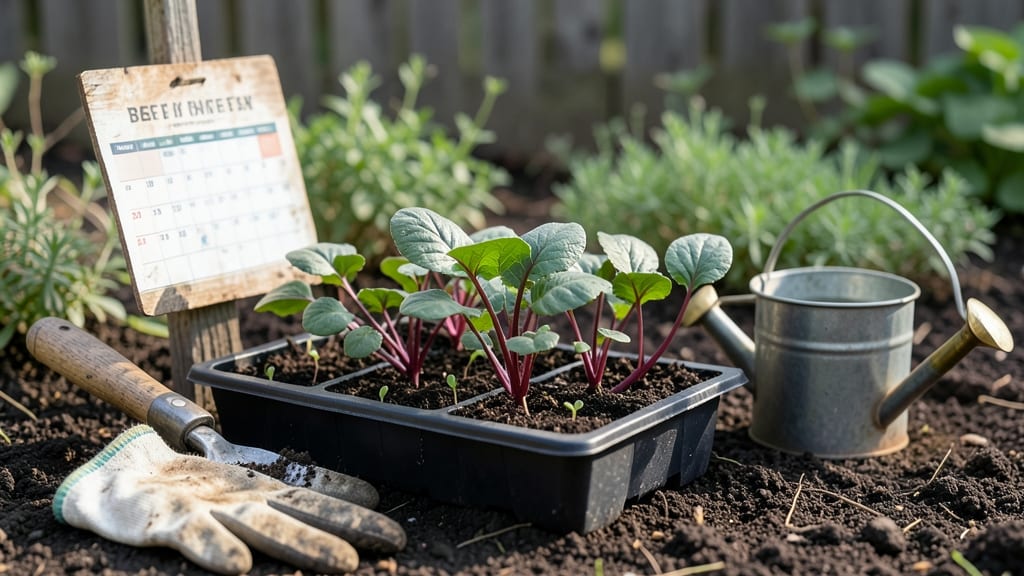
Planting beets at the wrong time in Zone 8b can turn your crisp, sweet harvests into tough, bitter disappointments.
The key to growing 🍠 beets that thrive lies in understanding your region's unique climate—where a late winter planting might work for some, but others need to wait until early spring to avoid heat stress.
I’ve learned the hard way that timing matters more than you’d think. Too early, and your beets bolt before they even form roots. Too late, and they struggle in the summer heat.
But when you nail the exact weeks before last frost, you’ll enjoy a steady supply of fresh, tender beets from spring through fall.
In this guide, I’ll walk you through the ideal planting windows for Zone 8b—both spring and fall—so you can plan ahead for a garden full of vibrant, flavorful harvests. We’ll also cover how to adjust for your microclimate and avoid common mistakes that ruin beet crops.
Whether you’re a seasoned gardener or just starting out, these tips will help you grow beets that are sweeter, crisper, and more abundant than ever before. Let’s get those seeds in the ground at the perfect time!

Best planting windows for beets in Zone 8b: exact weeks before last frost
Zone 8b’s mild winters and warm springs create a perfect window for two beet plantings: early spring and late summer. Timing is critical—plant too early, and you’ll face bolting (flowering) from cool nights.
Plant too late, and heat stress turns roots bitter. Let’s pinpoint the exact weeks to aim for.
For spring plantings, start seeds 6-8 weeks before your last frost (typically around mid-February to early March in Zone 8b). This gives seedlings time to mature before summer heat arrives. Use early-maturing varieties like ‘Detroit Dark Red’ or ‘Babybeat’ for faster harvests.
Your last frost date in Zone 8b is usually January 15, but microclimates vary. Check local records or use a frost calendar to adjust. For example, coastal areas may frost later, while inland spots could freeze earlier.
Planting 4-6 weeks after your last frost ensures warm soil temperatures (ideal: 50-70°F).
| Planting Window | Soil Temp | Variety Recommendation | Days to Harvest |
|---|---|---|---|
| Mid-February to Early March (Spring) | 50-70°F | Detroit Dark Red, Babybeat | 50-60 days |
| Late August to Early September (Fall) | 60-75°F | Golden Beet, Chioggia | 55-70 days |
🌱 Pro Tip: Use a soil thermometer to confirm temps before planting.
Zone 8b’s fall planting window opens 8-10 weeks before first frost (usually late August to early September). This timing lets beets mature before winter sets in. Choose cold-hardy varieties like ‘Golden Beet’ or ‘Chioggia’ for storage potential. Aim to harvest before consistent freezing (around December 15 in Zone 8b).
For succession planting, sow seeds every 2-3 weeks during spring and fall windows. This ensures a continuous harvest and prevents overcrowding. For example, plant a batch in late February, then repeat in March and April. Thin seedlings to 2-3 inches apart to avoid competition.
Watch for heat stress signs like yellowing leaves or stunted growth. If temperatures exceed 80°F, provide afternoon shade with a floating row cover or shade cloth.
Mulch with straw or grass clippings to retain moisture and cool soil. In Zone 8b, late spring plantings after April 15 risk bolting, so prioritize early-season sowings.
Container growing is ideal for Zone 8b’s urban gardens. Use pots 12+ inches deep and plant seeds 1/2 inch deep, thinning to 1 plant per 4-inch pot.
Containers warm up faster, so start seeds 2 weeks earlier than in-ground plantings. Water consistently—containers dry out 3x faster than garden beds.
Test your soil’s pH (6.0-7.0) before planting. Amend with compost or aged manure for nutrient-rich soil. Beets are low-maintenance but thrive with regular watering (1 inch per week). Avoid overhead watering to prevent leaf diseases like powdery mildew. Drip irrigation or soaker hoses work best.
Mark your calendar for these key dates in Zone 8b:
- February 15: Start first spring batch
- March 15: Sow second spring batch
- August 1: Begin fall succession
- September 15: Final fall planting
With these exact planting windows, you’ll enjoy sweet, crisp beets from spring through fall. Avoid common mistakes like planting too late or skipping soil prep, and your harvests will thrive. Happy planting! 🌱
How to extend beet harvests in Zone 8b: fall planting strategies for winter storage
Fall planting is your secret weapon for Zone 8b gardeners who want fresh beets well into winter. Unlike spring plantings, fall lets you take advantage of cooler soil temperatures—ideal for preventing bolting and bitter flavors.
The key is timing: plant too early, and your beets will mature before winter sets in. Too late, and they’ll struggle with cold soil. I’ve found that starting 6-8 weeks before your first frost (typically mid-October in Zone 8b) gives roots enough time to bulk up before temperatures drop.
Zone 8b’s mild winters create a unique opportunity—you can even harvest some varieties straight from the ground after light frosts! But not all beets handle cold equally. Detroit Dark Red and Golden Beets store best, while Chioggia varieties are more tender and better suited for quick harvests.
The right variety paired with proper timing means you could enjoy homegrown beets from October through March with minimal storage effort.
Before you plant, prepare your soil by amending it with compost or aged manure—beets love loose, fertile ground. A soil test for pH (aim for 6.0-7.0) will prevent nutrient deficiencies that make roots woody.
I’ve also had success using row covers in late fall to protect young seedlings from unexpected cold snaps while still allowing sunlight to reach the soil.
🌱 Fall Beet Planting in Zone 8b: Pros & Cons
✅ Pros
- Longer harvest window—extend fresh beets into winter
- Cooler soil temps—prevents bolting and bitter flavors
- Less pest pressure—fewer beetles and aphids in fall
- Storage potential—hardier varieties last months in root cellars
❌ Cons
- Timing sensitivity—plant too late, roots won’t mature
- Cold soil risks—slows germination below 50°F
- Storage prep needed—requires curing and proper conditions
- Frost damage—leaves may die, but roots often survive
💡 Pro Tip: Use black plastic mulch to warm soil 2-3°F faster in early fall plantings.
To maximize your fall harvest, stagger plantings every 2 weeks starting in late August. This succession planting strategy ensures a steady supply of beets rather than one big harvest. For example, plant one row in late August, another in early September, and a final row in mid-September.
By October, you’ll have beets at different stages—some ready to harvest while others are still growing. This method also reduces the risk of bolting, since later plantings benefit from even cooler temperatures.
When harvesting for winter storage, wait until first frosts blacken the tops—this signals the roots have converted starches to sugars, making them sweeter. For storage, leave 1-inch stems attached and cure beets in a dark, humid space (like a root cellar) for 1-2 weeks.
I’ve stored Detroit Dark Red beets this way for up to 5 months with no loss of quality. If you don’t have a root cellar, a cool basement (32-40°F) with high humidity works too.
Don’t overlook the greens—they’re just as valuable! Harvest leaves separately when they’re 4-6 inches tall for baby greens, or let them grow larger for cooking. In Zone 8b, you can often harvest greens through December before the cold becomes too intense.
Save the toughest roots for storage and use the younger ones in salads or sautés right away.
With these strategies, you’ll turn Zone 8b’s mild winters into your beet-growing advantage. Start with the right varieties, time your plantings carefully, and embrace the extended harvest—your taste buds (and your pantry) will thank you all winter long. 🌿