
Plants
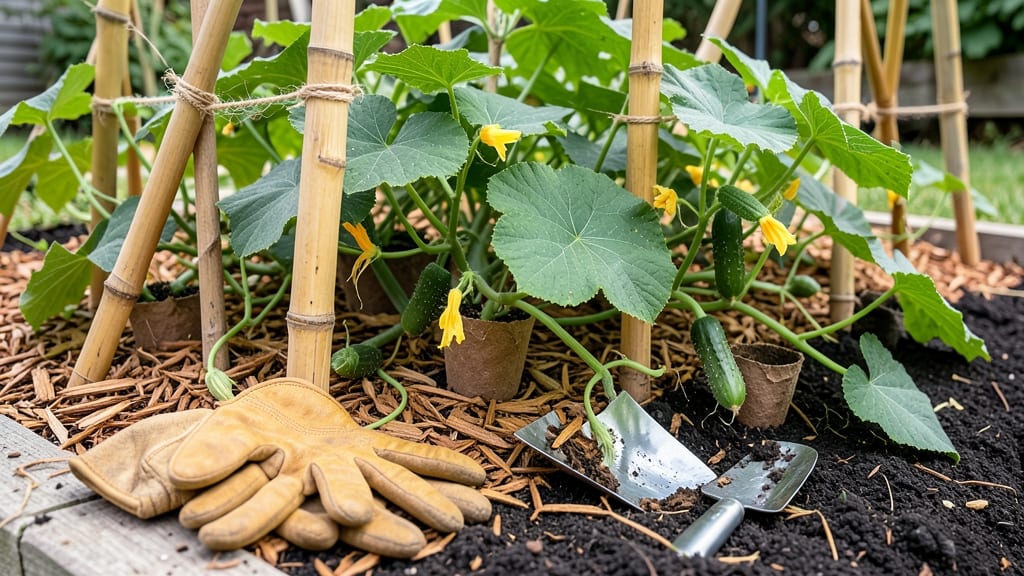
Planting cucumbers in Zone 8b at the wrong time can turn your garden dreams into a sad, wilted mess—but get the timing right, and you’ll be feasting on crisp, homegrown 🥒 all summer long.
Most gardeners assume they can plant cucumbers as soon as the ground looks dry, but those tender seeds need warmth to thrive. In Zone 8b, soil temperatures below 60°F will leave your cucumbers struggling, while waiting too long risks bolting before you even get a harvest.
I’ve learned the hard way that the best planting windows are mid-February to early April for spring crops and late July to early September for fall harvests. These timelines align with your last frost date and give your plants the perfect head start.
Ready to avoid the common mistakes and unlock a bumper crop? Let’s break down the exact weeks before last frost that’ll have your cucumbers thriving—and your dinner table overflowing with fresh, vine-ripened goodness.

Optimal planting weeks before last frost in Zone 8b for maximum yield
In Zone 8b, cucumbers thrive when planted at the right time—2-4 weeks before your last frost date (typically around March 15). This timing ensures warm soil (60°F+) and air temperatures, which cucumbers desperately need to germinate.
Planting too early risks cold soil, slow growth, and fungal diseases like damping off.
For direct sowing, aim for mid-February to early April when soil temps consistently stay above 60°F. If you prefer transplants, start seeds indoors 4-6 weeks before your target outdoor date. My go-to varieties for Zone 8b include 'Straight Eight' (classic slicing) and 'Marketmore' (heat-tolerant).
Soil temperature is your #1 priority—use a soil thermometer to confirm warmth. If temps dip below 55°F, delay planting or use black plastic mulch to warm the soil faster. I’ve found that raising beds also help, as they heat up 2-3 weeks earlier than in-ground soil.
| Planting Method | Best Time | Soil Temp | Notes |
|---|---|---|---|
| Direct Sow | Mid-February to early April | 60°F+ | Use row covers for frost protection |
| Transplants | Late March to early May | 55°F+ | Hardens off seedlings first |
| Fall Planting | Late July to early September | 65°F+ | Choose heat-tolerant varieties |
For spring plantings, I always test soil moisture before sowing—cucumbers hate dry starts. Amend your soil with compost or aged manure to boost fertility, and avoid fresh nitrogen, which can delay flowering. My secret trick? Plant a marigold companion nearby to repel pests like cucumber beetles.
If you’re growing bush varieties (like 'Bush Champion'), they tolerate cooler temps slightly better than vining types. However, all cucumbers will bolt (flower prematurely) if stressed by heat or drought. To prevent this, mulch heavily with straw and water deeply at the base of plants.
For fall harvests, start seeds 8-10 weeks before your first frost (around late July). This gives plants enough time to mature before cooler temps arrive.
I’ve had success with 'Straight Eight' in fall, but avoid varieties prone to powdery mildew—this fungus thrives in humid Zone 8b summers.
Pro tip: Use a planting calendar to track your last frost date and adjust for microclimates. If your garden sits in a sunny, sheltered spot, you can plant 1-2 weeks earlier than the average. Conversely, shady or windy areas may need a later start.
Remember, consistent warmth is key—cucumbers won’t germinate below 50°F, and growth stalls below 60°F. With the right timing, you’ll enjoy crisp, homegrown cucumbers from May through October in Zone 8b! 🥒
How to extend your cucumber harvest in Zone 8b: succession planting & season-long tips
Want to enjoy homegrown cucumbers from spring through fall in Zone 8b? The secret isn’t just planting once—it’s using succession planting and smart season-long strategies. I’ve found that by staggering plantings every 2-3 weeks, you can keep your harvest going for months without gaps.
This works especially well when combined with heat-tolerant varieties like 'Straight Eight' or 'Marketmore 76' that thrive in Zone 8b’s summer heat.
For spring crops, start your first planting 4-6 weeks before your last frost date (around mid-February in Zone 8b). Then, add another batch 2-3 weeks later to extend your harvest. The key is ensuring soil temperatures stay above 60°F before planting—use a soil thermometer to check.
If your soil is still cool, opt for black plastic mulch to warm it faster and give your cucumbers a head start.
🌱 5 Pro Tips to Extend Your Cucumber Harvest in Zone 8b
- Stagger plantings: Sow seeds every 2-3 weeks from spring to early summer for continuous harvests.
- Use trellises: Vertical growing saves space and improves air circulation, reducing disease risk in humid Zone 8b summers.
- Choose heat-tolerant varieties: 'Lemon Cucumber' or 'Armenian Cucumber' handle Zone 8b’s heat better than standard types.
- Mulch heavily: Straw or black plastic mulch keeps roots cool and retains moisture during summer droughts.
- Companion plant: Pair cucumbers with radishes or lettuce to deter pests and maximize garden space.
Summer heat in Zone 8b can cause cucumbers to bolt prematurely or develop bitter fruit. To combat this, focus on shade cloth during peak afternoon heat (12-4 PM) and keep soil moist.
I’ve had great success with drip irrigation set to run in the early morning—this ensures roots stay hydrated without wetting foliage, which reduces fungal diseases like powdery mildew.
For fall harvests, your last planting should go in late July to early August. This gives plants enough time to mature before the first frost (around mid-November in Zone 8b).
If you’re pushing it, opt for fast-maturing varieties like 'Bush Champion' (ready in 50 days) or 'Suyo Long' (ready in 55 days). These can still produce a harvest before cooler temperatures set in.
Don’t forget about companion planting—it’s a game-changer in Zone 8b’s humid climate. Planting basil nearby deters pests like cucumber beetles, while marigolds repel nematodes. I’ve also noticed that beans or peas planted alongside cucumbers improve soil nitrogen, giving your vines a nutrient boost without heavy fertilizers.
Finally, harvest regularly to encourage more production. Cucumbers left on the vine too long will stop setting new fruit. Aim to pick every 2-3 days during peak season, and always use clean pruners to avoid spreading diseases.
With these strategies, you’ll turn your Zone 8b garden into a year-round cucumber powerhouse!