
Plants
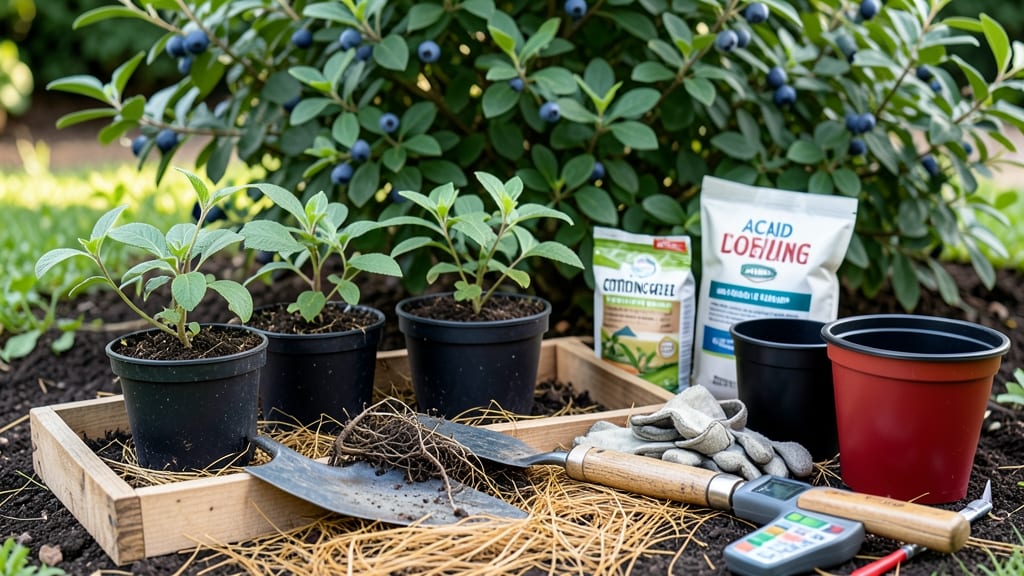
Timing your blueberry planting in Kentucky can mean the difference between a bountiful harvest and years of disappointment—because getting those chill hours right is everything.
With Kentucky’s 6a-7b climate, you’ve got a narrow window to plant 🫐 blueberries that’ll thrive, and missing it could leave your bushes struggling to fruit.
The secret lies in matching your planting schedule to the region’s frost patterns and variety needs, whether you’re in Northern Kentucky’s cooler zones or the warmer Southern stretches.
Most gardeners swear by fall planting—between September and October—when the soil is still warm enough for roots to establish before winter. But spring planting (late February to April) works too, if you’re quick before the last frost hits around mid-March.
The key is preparing your soil with acidic compost and choosing varieties that match your local chill hours, like Duke or Bluecrop, which do exceptionally well in Kentucky’s climate.
I’ve seen firsthand how a well-timed planting can turn a backyard into a blueberry goldmine—imagine fresh, juicy berries every summer for decades. The trick isn’t just picking the right month; it’s understanding how Kentucky’s microclimates affect everything from frost dates to soil acidity.
Let’s break down exactly when, why, and how to plant for the best results in your specific corner of the Bluegrass State.
Ready to skip the guesswork? You’ll learn how to test your soil pH, pick the perfect planting window for your zone, and even troubleshoot common Kentucky-specific challenges—like avoiding early spring frosts that can nip young shoots.
By the end, you’ll have a foolproof plan to grow blueberries that’ll make your neighbors jealous.
Kentucky’s chill-hour zones: matching blueberry varieties to your location
Kentucky’s diverse climate—spanning USDA Hardiness Zones 5-8—means not all blueberry varieties thrive equally. The key to success lies in chill-hour requirements, which measure how many hours below 45°F your region experiences annually.
Northern Kentucky (Zones 5-6) needs varieties with 800-1,000 chill hours, while Southern Kentucky (Zones 7-8) does best with 300-600 chill hours.
Choosing the wrong variety can lead to poor flowering or no fruit at all. For example, ‘Duke’ and ‘Bluecrop’ excel in Northern KY, while ‘Southern Highbush’ varieties like ‘Climax’ thrive in warmer Southern KY. Always check the chill-hour range on seed packets or nursery tags to avoid costly mistakes.
Here’s how to match your location to the perfect variety:
| Region | USDA Zone | Chill Hours Needed | Best Varieties | Notes |
|---|---|---|---|---|
| Northern KY | 5-6 | 800-1,000 | Duke, Bluecrop, Patriot | Cold-hardy, high-yielding |
| Central KY | 6-7 | 600-800 | Jersey, Legacy, Aurora | Versatile, mid-season ripening |
| Southern KY | 7-8 | 300-600 | Climax, Premier, Sharpeblue | Heat-tolerant, early bloomers |
If you’re unsure about your chill hours, check your local Cooperative Extension Service or use a home weather station to track temperatures. For example, Lexington (Zone 7a) typically gets 500-600 chill hours, while Paducah (Zone 7b) sees 400-500 chill hours.
This small difference can mean the difference between a bountiful harvest and a failed crop.
Another critical factor is microclimates. A hilltop in Eastern KY might experience 100+ extra chill hours than a valley just miles away. Observe your garden’s unique conditions for at least two years before committing to a variety.
For instance, ‘Patriot’ (600-800 chill hours) might struggle in Western KY’s Zone 7b, while ‘Aurora’ (500-700 chill hours) thrives there.
Pro tip: Plant multiple varieties to extend your harvest season. A mix of early, mid, and late-season blueberries ensures berries from May through July. For example, pair ‘Duke’ (early) with ‘Bluecrop’ (mid) and ‘Jersey’ (late) for a continuous supply of fresh, homegrown Kentucky blueberries.
Once you’ve selected the right variety, timing your planting becomes the next critical step. In Kentucky, fall planting (September-October) is ideal because it allows roots to establish before winter, while spring planting (March-April) works if you act quickly after the last frost.
But avoid planting in summer—the heat stresses young plants and slows root growth.
For bare-root plants, aim to plant within 2-3 weeks of purchase to prevent root desiccation. If you’re using container-grown bushes, you have more flexibility but still need to plant before bud break in spring or after leaf drop in fall.
Always soak bare roots in water for 1-2 hours before planting to rehydrate them.
After planting, mulch with 3-4 inches of pine bark or leaves to retain moisture and regulate soil temperature. This is especially important in Kentucky’s hot summers and cold winters, where soil temperatures can fluctuate wildly.
Mulch also suppresses weeds, reducing competition for nutrients during the critical first growing season.
🌱
Optimal planting windows in Kentucky: month-by-month timing guide
Kentucky’s variable climate means your blueberry planting window depends on whether you prefer fall or spring planting—both have distinct advantages. Most experienced gardeners in USDA zones 6-7 swear by fall planting (September-October) because the soil stays warm enough for roots to establish before winter dormancy kicks in.
But spring planting (late February to April) works too, if you’re quick before the last frost hits around mid-March.
The key difference? Fall-planted bushes start growing earlier in spring, while spring-planted bushes need immediate attention to avoid frost damage.
For container-grown blueberries, you’ve got a bit more flexibility—plant them anytime the soil isn’t frozen, but aim for early spring or late fall to maximize root development before extreme temperatures arrive.
Here’s the breakdown of Kentucky’s planting windows, including critical soil prep tips and frost-avoidance strategies to ensure your blueberries thrive:
Soil is still warm (60°F+), roots establish before winter. Ideal for bare-root plants—just amend soil with peat moss or sulfur to lower pH to 4.5-5.5.
Plant by mid-October in Northern KY (zones 6a) to avoid winter stress. Use mulch (3-4 inches) to insulate roots—straw or pine needles work best.
Soil should be workable (40°F+). Bare-root plants need immediate watering—soak the root zone deeply to prevent transplant shock.
Avoid planting after mid-April in Southern KY (zones 7a-7b)—late frosts can damage new growth. Use row covers if frost is forecasted.
Planting in summer heat (stresses roots), ignoring soil pH (blueberries hate alkaline soil), or skipping mulch (leads to soil compaction).
Pro tip: If you’re in Northern Kentucky (zones 6a), prioritize fall planting—the cooler climate gives you a shorter spring window. Meanwhile, gardeners in Louisville or Lexington (zones 7a-7b) can stretch spring planting into early April with minimal frost risk.
Always check your local USDA frost map or contact your county extension office for hyper-local advice.
Once planted, your blueberries will need consistent moisture and acidic soil maintenance to thrive. But timing the planting right? That’s the foundation of a decades-long harvest. 🫐