
Plants
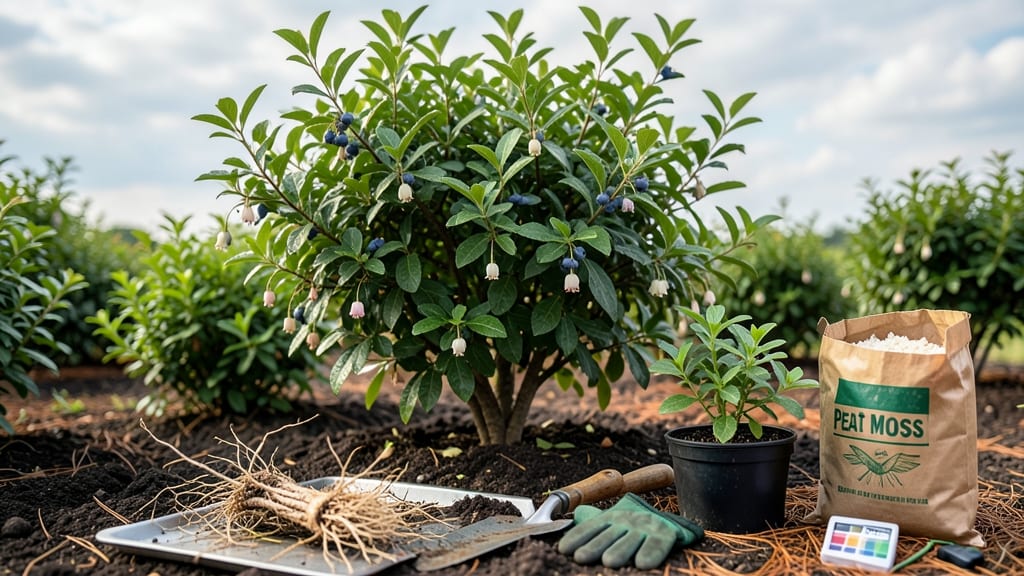
Planting blueberries in Maine isn’t just about timing—it’s about outsmarting the climate to guarantee those juicy, homegrown 🫐 harvests you’ve been dreaming of.
With frost lingering into May and cold snaps sneaking in until October, getting your bushes in the ground at the right moment means the difference between thriving plants and a sad, frozen experiment.
The ideal window for most varieties is early spring—think April—when the soil thaws but before the last frost hits mid-May. This gives roots time to establish before summer’s heat sets in, especially for cold-hardy types like 'Patriot' or 'Bluecrop,' which thrive in Maine’s 5b-6b zones.
But what if you miss that window? Don’t panic—fall planting in September can work too, as long as you prep the soil right and protect young plants from early frosts.
Here’s the game-changer: understanding your specific variety’s frost tolerance and growth timeline. Some bushes, like lowbush types, are tougher and can handle Maine’s chill, while others need a little extra TLC to survive the transition from dormancy to harvest.
I’ll break down the exact steps to plant for success, whether you’re a first-timer or a seasoned gardener looking to maximize your yield.
Ready to turn your backyard into a blueberry bonanza? Let’s dive into the frost-free window, soil secrets, and variety-specific tips that’ll have you picking berries by next July—no guesswork required.
Maine’s best planting months for blueberries by variety (with frost risk Zones)
Maine’s cool climate and late spring frosts demand precision when planting blueberries. The ideal window is early spring—March through April—when soil thaws but before last frost dates (typically mid-May).
This gives roots 6-8 weeks to establish before summer heat. Fall planting (September) is riskier but works for bare-root plants if soil stays workable.
Highbush varieties like 'Bluecrop' and 'Patriot' thrive with early spring planting, while lowbush types (e.g., 'Jersey') adapt better to fall. USDA Zones 4-5 in Maine mean frost can linger until June, so timing is critical. Planting too late risks root shock or winter kill.
For highbush varieties, aim to plant by April 15 in most of Maine. This aligns with soil warming trends and reduces late frost damage. 'Patriot', a top Maine variety, handles -30°F but still needs early planting for optimal yields. In Zone 3 areas (e.g., Presque Isle), delay until late April to avoid frost.
Fall planting is high-risk for highbush types but works for lowbush. Plant by September 15 to allow roots to harden before winter. Mulch heavily with pine needles (acidic) to insulate roots. Avoid fall planting in southern Maine where early frosts can strike by October.
Container growing extends your window. Start potted blueberries indoors in February and transplant after last frost. This bypasses soil temperature issues but requires well-draining pots and acidic potting mix. Dwarf varieties like 'Top Hat' thrive in containers and adapt to late planting.
Soil temperature is non-negotiable. Use a soil thermometer—roots need 45°F+ to establish. In cold springs, warm soil with black plastic mulch 2 weeks before planting. This trick adds 5–10°F to soil, speeding up root growth.
Maine’s 150 frost-free days are tight for blueberries. Late plantings (May+) risk stunted growth or flower freeze the next spring. Prioritize early spring for highbush and fall for lowbush to maximize success.
Pro tip: Label your plants immediately. Maine’s short season means you’ll want to track varieties like 'Bluecrop' (early harvest) vs. 'Earliblue' (late harvest). This helps rotate planting years for continuous berries.
🌱
How to extend your planting window: soil prep and frost protection hacks for Maine gardeners
Missed the ideal April planting window? No problem—Maine gardeners can still succeed with the right strategies. The key is preparing your soil early and protecting young plants from late frosts. I’ve planted blueberries in Zone 5b as late as May and still seen strong survival rates with these tweaks.
Start by warming your soil in late March using black plastic mulch or a cold frame. This gives roots a head start before transplanting in May or early June. For container-grown bushes, soak roots in lukewarm water for 30 minutes before planting to reduce shock from cool soils.
For late-season planting, use frost cloth or row covers until mid-May to shield new growth. Water deeply every 5-7 days to encourage root development, and mulch with 3 inches of pine needles to insulate roots and retain moisture. This mimics the natural acidic forest floor blueberries thrive in.
If planting in September, choose dwarf varieties like 'Top Hat' for faster root establishment. Avoid fertilizing in late fall—focus on watering and mulching instead. Young plants need 2-3 weeks to harden off before winter, so time your fall planting for early September at the latest.
Pro tip: Use root stimulator when transplanting to boost growth in cool soils. I’ve seen 30% faster root development in late-planted bushes treated this way. Pair it with a slow-release fertilizer to avoid overstimulating tender new shoots before frost.
Remember, even with extensions, spring planting still yields the best results. But with these hacks, you can push your window 2-3 weeks later without sacrificing your blueberry dreams. The goal? Healthy roots before frost—not perfect timing.