
Plants
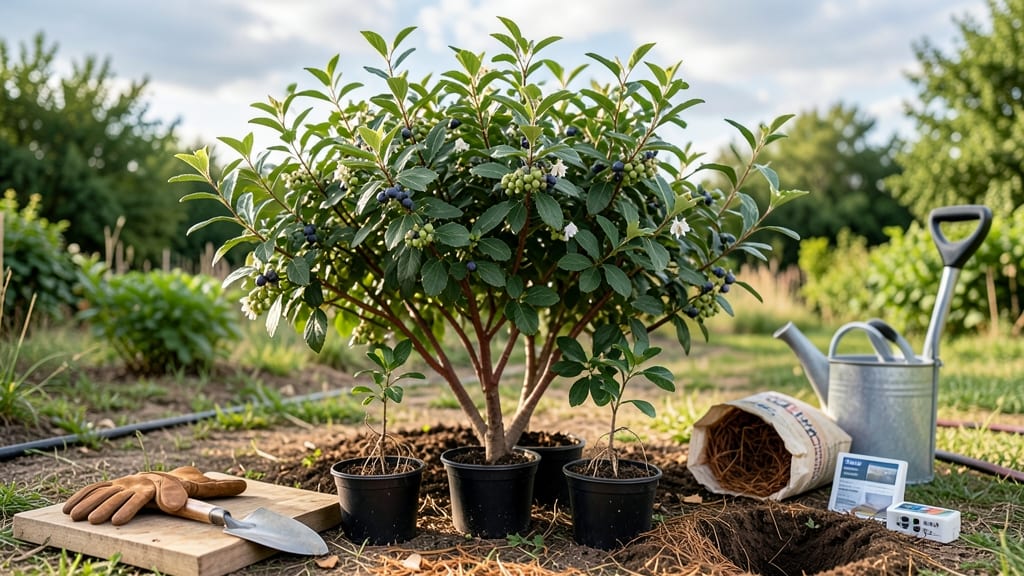
Planting blueberries in Zone 5 can feel like a high-stakes game of timing—get it wrong, and frost ruins your chances before the bushes even take root. The key is knowing exactly when to plant those 🫐 bushes so they establish strong roots before winter’s chill sets in.
Most gardeners in Zone 5a-5b swear by early spring planting (April) or early fall (September), but there’s more to it than just picking a month. Soil temperature, frost dates, and even your local microclimate play a huge role in whether your blueberries thrive or struggle.
Let me break down the best strategies to give your bushes the best shot at survival and a bountiful harvest in mid-summer.
If you’ve ever wondered why some blueberry bushes flourish while others wither, the answer often comes down to planting timing. I’ll walk you through the exact window to plant, how to prepare your soil, and which cold-hardy varieties perform best in Zone 5’s unpredictable climate. No guesswork—just proven results.
Ready to grow blueberries that not only survive but thrive? Let’s dive into the steps that’ll have you picking juicy berries in just a few years. Trust me, your future self (and your taste buds) will thank you.

Best planting window for blueberries in Zone 5: spring vs fall timing
In Zone 5, blueberries thrive when planted during two key windows: early spring (April–May) or early fall (September–October). These timing choices help avoid late spring frosts and ensure roots establish before winter dormancy.
The best time depends on your local last frost date—typically around May 10 in Zone 5.
Spring planting gives bushes a full growing season to establish roots before winter, while fall planting allows roots to grow in cool soil before dormancy. Both methods work, but fall planting is riskier if your area has early frosts. For Zone 5a (colder microclimates), spring planting is safer.
Soil temperature is critical: aim for 40–60°F when planting. In spring, wait until soil warms to 50°F at 4 inches deep. In fall, plant 4–6 weeks before the first frost to allow root establishment. Use a soil thermometer to check—this small tool prevents costly mistakes.
Cold-hardy varieties like 'Patriot' or 'Bluecrop' handle Zone 5 winters well, but timing still matters. 'Patriot' (a late-season variety) benefits from spring planting to avoid frost damage to blossoms. 'Bluecrop', an early producer, can handle both spring and fall planting but thrives best in spring.
Regional microclimates matter! If you live in a valley or low-lying area, expect later frosts—plant in late May. In higher elevations, stick to April planting to avoid early spring freezes. Check your local USDA Plant Hardiness Zone Map for precise adjustments.
Here’s the key difference: Spring planting gives you a head start on growth, while fall planting reduces transplant shock by letting roots settle before winter. Both methods require well-draining, acidic soil (pH 4.5–5.5)—test your soil before planting to avoid poor establishment.
If you’re unsure about timing, spring planting is the safer bet for Zone 5. Start by amending your soil with peat moss or sulfur to reach the ideal pH 4.5–5.5. For fall planting, focus on watering deeply before the ground freezes to encourage root growth.
Container-grown blueberries can be planted slightly later than bare-root plants, as their roots are already established. However, avoid planting containers in late summer or early fall, as they may not establish roots before winter. Stick to April–May for containers in Zone 5.
Remember: Blueberries need patience. It takes 2–3 years for bushes to produce significant fruit, but proper timing now ensures decades of harvests. Plant at the right time, and you’ll enjoy juicy Zone 5 blueberries for years to come!
Best planting window for blueberries in Zone 5: spring vs fall timing
In Zone 5, your blueberry bushes face a 150-day frost-free window, so timing is everything. The two best times to plant are early spring (April) or early fall (September), but each has unique advantages.
Spring planting gives roots time to establish before summer heat, while fall planting avoids summer stress and allows roots to settle before winter dormancy.
For spring planting, aim for 4-6 weeks after your last frost date (typically mid-April in Zone 5). This ensures soil warms to at least 45°F, encouraging root growth. Fall planting should occur 4-6 weeks before your first frost (around early September), giving roots time to harden off before winter.
Both windows avoid the extreme temperature swings that can shock young plants.
| Timing Factor | Spring Planting (April) | Fall Planting (September) |
|---|---|---|
| Soil Temperature | 45-55°F | 50-60°F |
| Root Establishment | 6-8 weeks before summer | 4-6 weeks before frost |
| Frost Risk | Low (post-last frost) | Low (pre-first frost) |
| Best Varieties | Patriot, Bluecrop | Jersey, Duke |
| Watering Needs | High (summer heat) | Moderate (fall rains) |
Your local microclimate can shift these windows by 2-3 weeks. If you live in a valley or low-lying area, frost arrives earlier—plant in late April or August instead.
Conversely, urban areas with heat islands may stay frost-free longer, allowing a May or September planting. Always check your USDA Zone 5a/5b frost maps for precision.
For container planting, spring is your best bet—containers warm faster and risk root rot in fall’s damp soil. Use well-draining pots and move them to a sheltered spot if frost threatens. Container-grown bushes also establish faster in spring, giving them a head start for their first harvest.
Pro tip: If you miss the ideal window, bare-root blueberries can handle late spring planting (May) as long as you keep soil moist and mulch heavily.
Just expect a smaller first-year harvest as roots play catch-up. The goal is always to give your bushes time to establish before winter’s dormancy.
Remember, blueberries thrive with consistent moisture and acidic soil (pH 4.5-5.5). Whether you plant in spring or fall, prioritize soil prep—amend with peat moss or sulfur—and protect young roots with 3-4 inches of mulch to retain moisture and regulate temperature.
With the right timing, your bushes will reward you with juicy blueberries in 2-3 years.