
Plants
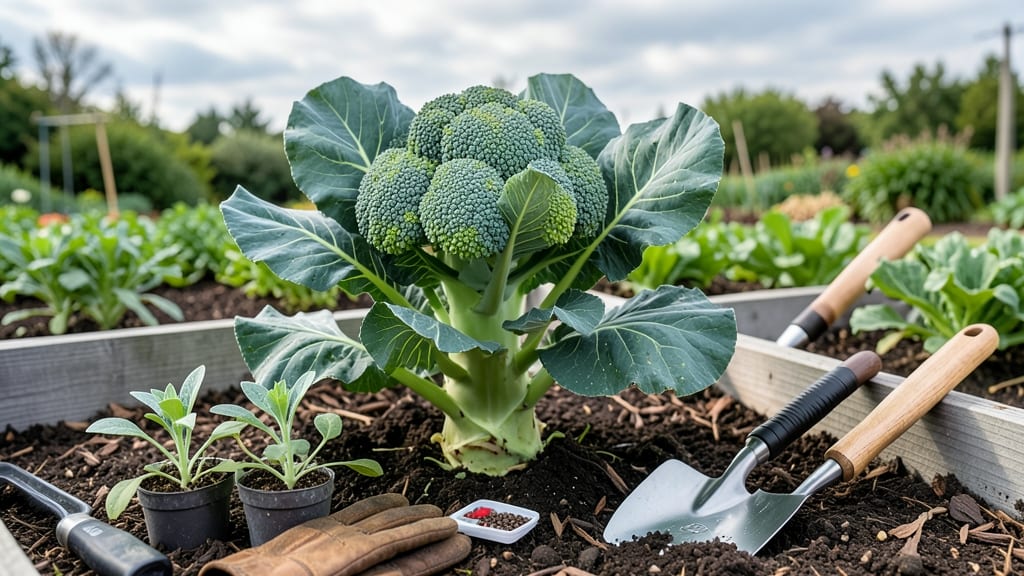
Planting broccoli in Colorado at the wrong time can mean the difference between a thriving garden and a wasted season—especially when unpredictable mountain weather throws off even the best-laid plans.
The key to success isn’t just knowing when to plant broccoli in Colorado, but also understanding how elevation and microclimates shift those timelines by weeks.
For most gardeners in zones 5-7, spring is your best bet, with seeds hitting the soil 4-6 weeks before your last frost date (usually mid-April in Denver).
But if you’re in the high-altitude valleys, like near Aspen, you’ll need to adjust—sometimes planting as early as late February to beat the late frosts. And don’t overlook fall planting, either!
Here’s the game-changer: broccoli thrives in Colorado’s cooler months, but it hates heat. Plant too late in spring, and you’ll trigger bolting (that’s when it flowers prematurely).
Time it right, though, and you’ll enjoy crisp, homegrown 🥦 from May through November. Let’s break down the exact weeks you need to know for your region.
Whether you’re a seasoned gardener or just starting, these insights will help you avoid common pitfalls—like planting too close to frost or ignoring soil prep. We’ll cover everything from transplanting starts to direct sowing, plus how to work with Colorado’s short growing season for maximum harvests.
Colorado’s broccoli planting calendar: exact weeks before last frost by region
Colorado’s diverse elevations and unpredictable frost dates make broccoli planting a balancing act. The Front Range (Denver/Boulder) typically sees its last frost around April 15, while Colorado Springs averages April 20, and Western Slope areas like Grand Junction may see frost as late as May 1.
High-altitude gardens (7,000+ ft) often face frost 2-3 weeks later than lower elevations.
For spring planting, aim to sow seeds or transplant 4-6 weeks before your area’s last frost date. In Denver, that’s mid-March to early April.
Fall planting should start 8-10 weeks before your first frost—typically late July to mid-August for most regions. This timing ensures broccoli matures before winter sets in.
Here’s how to adjust for your specific Colorado microclimate:
| Region | Last Frost Date | Spring Planting Window | Fall Planting Window | Succession Planting Tip |
|---|---|---|---|---|
| Front Range (Denver/Boulder) | April 15 | March 15–April 1 | July 30–August 15 | Plant every 2 weeks for continuous harvests |
| Colorado Springs | April 20 | March 25–April 5 | August 5–15 | Use shade cloth in June to prevent bolting |
| Western Slope (Grand Junction) | May 1 | April 15–April 30 | August 15–September 1 | Extend season with row covers in fall |
| High Altitude (7,000+ ft) | May 10–15 | April 15–May 1 | August 1–15 | Choose cold-hardy varieties like ‘Waltham 29’ |
Succession planting is key to maximizing yields in Colorado’s short growing season. After your initial planting, sow new seeds every 2-3 weeks until mid-June for spring crops. For fall, stagger plantings every 3 weeks from late July to early September.
This ensures a steady supply of broccoli from late spring to early fall.
If you’re growing broccoli in containers or raised beds, start seeds indoors 6-8 weeks before your last frost date. Use grow lights to supplement Colorado’s short spring days, and harden off seedlings for 1 week before transplanting.
Container-grown broccoli bolts faster in heat, so monitor soil temperatures closely.
For high-altitude gardens, prioritize cold-tolerant varieties like ‘De Cicco’ or ‘Belstar’. These handle cooler soils better than heat-sensitive types. Amend soil with compost and aged manure to improve fertility, as high-altitude soils often lack nutrients.
Mulch with straw or leaves to retain heat during the day and protect roots from chilly nights.
Always check your local CoCoRaHS or NOAA frost forecast for real-time updates. Colorado’s unpredictable weather patterns can shift frost dates by 1-2 weeks, so flexibility is key. Mark your calendar for late April and early October as critical checkpoints for frost monitoring.
Pro tip: Use biodegradable plant pots for transplants to avoid disturbing roots when planting near your last frost date. This reduces transplant shock and helps broccoli establish faster in Colorado’s cool, dry soils.
With the right timing and a little local know-how, you’ll enjoy homegrown broccoli from May through November, even in Colorado’s challenging climate. Happy planting! 🌱
How to avoid broccoli bolting in Colorado’s unpredictable climate
Colorado’s unpredictable weather can turn your broccoli plants into bitter, flowering stalks before you even harvest a single head. Bolting happens when broccoli senses heat or stress and shifts from growing leaves to producing flowers.
In Colorado, this often occurs when daytime temperatures climb above 75°F (24°C), especially in the Front Range’s sudden heatwaves.
To prevent bolting, start by choosing heat-tolerant varieties like ‘Waltham 29’ or ‘De Cicco’, which handle Colorado’s variable spring temperatures better than standard types. These varieties are bred to resist bolting, giving you a 10-14 day longer harvest window in unpredictable climates.
Soil temperature plays a critical role. Broccoli thrives when soil stays between 60-70°F (15-21°C). If your garden heats up faster than expected (common in low-lying areas like Pueblo), use shade cloth (30-50%) to keep plants cool.
This simple trick can extend your growing season by 2-3 weeks in hot microclimates.
If daytime temps hit 80°F+ (27°C+) for 3+ days, broccoli will bolt within 7-10 days. Monitor your garden with a soil thermometer—if soil exceeds 75°F (24°C), take action immediately.
Another key strategy is succession planting. Instead of sowing all your seeds at once, stagger plantings every 2-3 weeks from March through May. This ensures a continuous harvest and reduces the risk of bolting, since later plantings avoid the worst heat.
For high-altitude gardeners (5,000–10,000 ft), bolting is less of an issue, but cold snaps can stall growth. Use row covers in early spring to protect seedlings from late frosts, which can stress plants and trigger premature flowering. Remove covers once soil warms consistently above 50°F (10°C).
Finally, water consistently—drought stress accelerates bolting. Aim for 1-1.5 inches of water per week, delivered in the early morning to reduce evaporation. Mulch with straw or wood chips to keep roots cool and moisture levels stable, especially during Colorado’s dry, windy afternoons.
With these adjustments, you’ll avoid the heartbreak of bolting and enjoy crisp, homegrown broccoli from May through October—even in Colorado’s fickle climate. 🥦