
Plants
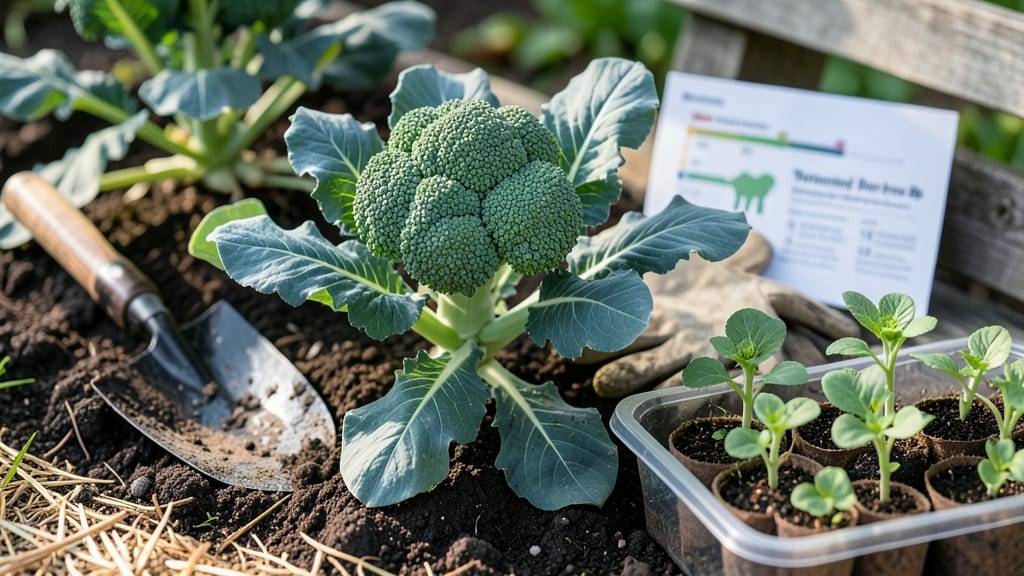
Planting broccoli 🥦 at the wrong time in Zone 8b can turn your hard work into bitter, bolted disappointment—but get the timing right, and you’ll enjoy a steady harvest from fall through spring.
The key lies in two distinct planting windows: early fall and late winter, each with its own ideal conditions and challenges.
For fall planting, aim to get seeds in the ground between August and September, when soil temperatures hover between 50–75°F. This timing lets your broccoli mature before the first frost (typically around November 15 in Zone 8b) while avoiding the crushing summer heat that stresses plants.
Cold-hardy varieties like 'Waltham 29' thrive in these cooler months, delivering sweet, tender heads just as winter sets in.
If you prefer spring harvests, late winter planting (between February and March) is your best bet. The trick here is to start seeds indoors or use shade cloth to protect young plants from the 85°F+ heat that triggers bolting.
With the right preparation, you can enjoy fresh broccoli as early as April, beating the summer rush and extending your growing season.
Whether you’re a seasoned gardener or just starting, mastering these timing strategies will transform your broccoli patch from a gamble into a reliable source of homegrown goodness. Let’s break down the exact steps to maximize your yield, no matter which window you choose.

Best fall planting dates for broccoli in Zone 8b (avoid summer heat)
In Zone 8b, where summer temperatures can soar above 85°F, broccoli struggles to thrive. The key to success lies in planting during cool-season windows—specifically, late summer to early fall.
This timing ensures your plants mature before the first frost, typically around November 15, while avoiding the heat stress that leads to bitter flavors or bolting.
For Zone 8b gardeners, the ideal fall planting window spans from mid-August to early September. During this period, soil temperatures hover between 50–75°F, perfect for broccoli germination and growth.
Planting too early (before August) risks exposing seedlings to scorching summer heat, while waiting until October may leave plants vulnerable to frost before harvest.
| Planting Window | Soil Temp (°F) | Variety Recommendation | Maturity Timeline |
|---|---|---|---|
| Mid-August | 50–65°F | 'Waltham 29' (cold-hardy) | Harvest by late October |
| Early September | 60–75°F | 'De Cicco' (fast-maturing) | Harvest by mid-November |
| Late September | 55–70°F | 'Calabrese' (large heads) | Harvest by early December |
🌱 Pro Tip: Use row covers to extend the season by 2–3 weeks if frost threatens early.
To maximize your harvest, choose cold-hardy varieties like 'Waltham 29' or 'De Cicco,' which tolerate light frosts and deliver sweeter flavors in cooler weather. These varieties mature in 50–70 days, aligning perfectly with Zone 8b’s fall timeline.
For example, planting 'Waltham 29' on August 15 typically yields harvest-ready heads by late October.
If you're unsure about your local frost dates, check your average first frost date using the USDA Plant Hardiness Zone Map or local agricultural extensions.
In many parts of Zone 8b, such as central Florida or southern California, frost arrives later than in northern regions, giving you a slightly longer window to plant.
For instance, in Tampa (Zone 9a), you might push planting to early October, but in Atlanta (Zone 7b), stick to mid-September.
Another critical factor is soil preparation. Broccoli thrives in well-draining, slightly acidic soil (pH 6.0–7.0). Before planting, amend your soil with compost or aged manure to ensure it retains moisture while providing essential nutrients.
A balanced fertilizer (10-10-10) applied at planting time can also give your broccoli a strong start, reducing the risk of nutrient deficiencies as it grows.
For gardeners in Zone 8b microclimates with hot afternoons, consider planting in partial shade or using shade cloth (30–50%) to protect seedlings from intense sun. This is especially useful in urban areas or containers, where soil heats up faster.
Mulching with straw or wood chips helps retain soil moisture and keeps roots cool, which is crucial during the transition from summer to fall.
One common mistake is planting broccoli too close to the first frost. If you miss the August–September window, you can try a late fall planting in December for a spring harvest, but this requires careful monitoring of chilling requirements.
Most broccoli varieties need 10–15 hours of cool temperatures (below 60°F) to form heads, so a winter planting may not yield the same results as a fall crop.
Finally, keep an eye on pests and diseases during the fall growing season. Cabbage worms and flea beetles are common threats, but neem oil or row covers can help mitigate damage. Regularly inspect your plants for yellowing leaves or chewed foliage, as early intervention prevents larger infestations.
With the right timing and care, your Zone 8b broccoli will reward you with abundant, flavorful harvests before winter sets in.
🌿
Best fall planting dates for broccoli in Zone 8b (avoid summer heat)
Fall is the golden window for broccoli in Zone 8b, where cooler temperatures prevent bolting and ensure sweet, tender heads. The ideal time to plant is between mid-August and early September, when soil temperatures drop below 85°F but stay above 50°F—perfect for seed germination and early growth.
This timing lets your broccoli mature before the first frost (typically November 15 in Zone 8b), giving you a harvest window from October through December. Cold-hardy varieties like 'Waltham 29' and 'De Cicco' thrive in these conditions, producing robust heads even as temperatures dip.
To extend your harvest even further, consider using row covers or cold frames after the first frost. These protect your plants from light frosts (28°F) and can push your harvest into early winter, especially in milder microclimates like coastal areas of Zone 8b.
| Planting Window | Soil Temp | Variety | Days to Harvest |
|---|---|---|---|
| Mid-August | 65–75°F | 'Waltham 29' | 55–65 days |
| Late August | 60–70°F | 'De Cicco' | 50–60 days |
| Early September | 55–65°F | 'Calabrese' | 65–75 days |
*Harvest times vary with soil fertility and weather conditions.
If you miss the August–September window, don’t panic—you can still plant broccoli in early October for a late-winter harvest. However, choose fast-maturing varieties (like 'Green Belted') to ensure they reach maturity before the ground freezes. Just be prepared to protect them with mulch or row covers during cold snaps.
For the best results, test your soil’s pH (6.0–7.0) and amend it with compost before planting. Broccoli is heavy-feeder, so a balanced fertilizer (10-10-10) applied at planting and again when flowers form will give your plants the nutrients they need to thrive.
Timing your fall planting this way ensures you’ll avoid the bitter, woody flavors that come from heat stress or bolting. With the right variety and care, your Zone 8b garden can deliver a bounty of homegrown broccoli—just in time for holiday meals! 🥦