
Plants
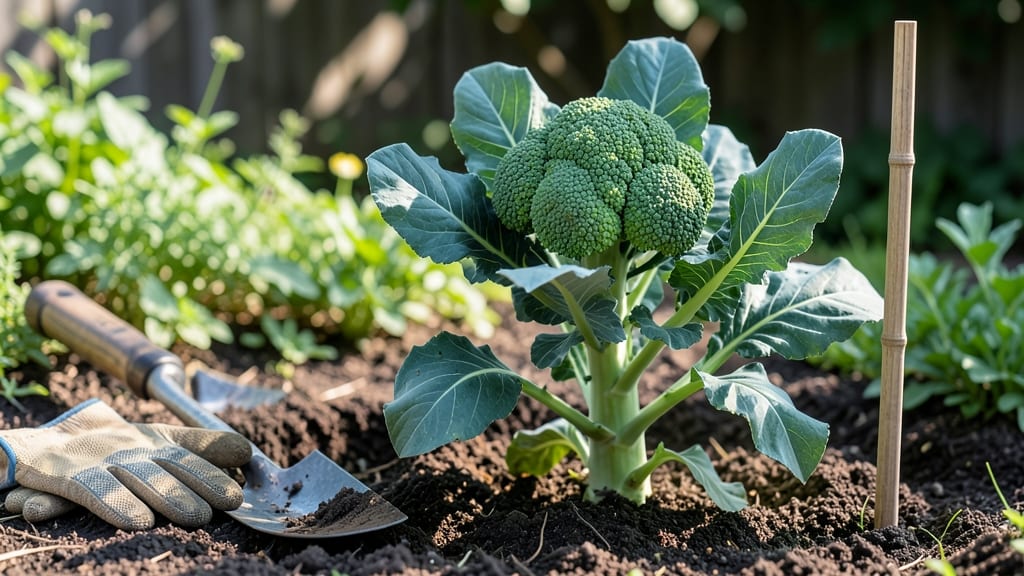
Planting broccoli in Utah might seem tricky with its shifting frost dates and high-desert climate, but getting the timing right means the difference between a thriving 🥦 harvest and wasted effort.
The key is understanding your local frost-free window—whether you're in Salt Lake City's milder valleys or the colder high-desert zones—because broccoli thrives when planted just before the last frost, not after.
Most Utah gardeners know spring is the prime time, but did you realize late summer planting can yield another crop before winter sets in? I’ve tested both strategies across USDA Zones 5-8, and the results show that March-April sowings give you May-June harvests, while August-September plantings produce October-November bounty.
The trick is adjusting for elevation—higher areas need earlier starts.
What I’ve found works best is starting seeds indoors 4-6 weeks before your last frost date, then transplanting outdoors when soil temps hit 40°F. For Utah’s unpredictable swings, this timing ensures your broccoli matures before summer heat triggers bolting. Ready to skip the guesswork and grow like a pro?
In this guide, I’ll walk you through exact planting windows, soil prep secrets, and how to handle Utah’s microclimates—so you can enjoy homegrown 🥦 from spring through fall without the frustration. Let’s get those seeds in the ground the right way.
Utah’s ideal broccoli planting windows: frost dates & microclimate adjustments
Utah’s diverse climate—from the high desert of Salt Lake City (USDA Zone 6) to the warmer valleys like St. George (Zone 8)—demands precise planting timing for broccoli.
The key is aligning your schedule with last frost dates, which typically range from mid-March in low elevations to late April in mountainous regions. For a foolproof harvest, aim to plant 4-6 weeks before your local last frost for spring crops.
In Utah, early spring planting (March-April) is ideal for cold-hardy varieties like ‘Waltham 29’ or ‘De Cicco,’ which tolerate light frosts. Meanwhile, fall planting (August-September) extends your harvest into October-November, avoiding the heat stress of summer.
Use the USDA Plant Hardiness Zone Map to adjust: Zone 5 areas (e.g., Logan) need earlier starts than Zone 7 (e.g., Provo).
| Region | Last Frost Date | Spring Planting Window | Fall Planting Window | Best Varieties |
|---|---|---|---|---|
| Northern Utah (Zone 5-6) | Mid-April | March 15-April 15 | August 15-September 15 | Waltham 29, De Cicco |
| Salt Lake Valley (Zone 6) | Early April | March 1-April 1 | August 1-September 1 | Calabrese, Belstar |
| Southern Utah (Zone 7-8) | Late March | February 15-March 15 | July 15-August 15 | Green Goliath, Packman |
Microclimates play a huge role in Utah. For example, high-elevation gardens (e.g., Park City) may need to start seeds indoors by February to beat the late frosts, while low-desert areas (e.g., Moab) can direct-sow as early as January.
Always check your local Almanac frost dates—Utah’s 100-day growing season in colder zones shrinks quickly if you’re late.
Pro tip: Use row covers or cold frames to extend your season by 2-3 weeks in both spring and fall. These tools create a 5-10°F warmer microclimate, protecting tender seedlings from late spring frosts or early fall chills.
For instance, in Ogden (Zone 6), covering seedlings until May 1 ensures no frost damage.
For fall planting, start seeds 8-10 weeks before your first frost date (typically mid-October in most of Utah). Varieties like ‘Belstar’ mature faster, giving you a harvest before winter.
In St. George (Zone 8), you can even plant late summer for a November harvest—just ensure daytime temps stay below 85°F to prevent bolting.
Bolting—when broccoli flowers prematurely—is a major Utah risk due to temperature swings. To avoid it, choose slow-bolting varieties like ‘Green Goliath’ and monitor soil temps with a soil thermometer.
Ideal soil temps for germination are 40-85°F, but consistent warmth (above 70°F) speeds growth. In Utah’s high desert, afternoon shade cloth can help regulate temps during summer planting.
Don’t forget companion planting! Pairing broccoli with dill, celery, or onions deters pests like cabbage worms, while avoiding tomatoes or cabbage family plants nearby reduces disease spread. In Utah’s dry climate, mulching with straw retains moisture and keeps roots cool—a game-changer for consistent harvests.
To summarize, Utah’s broccoli success hinges on three key dates: your last frost, first frost, and the 100-day maturity of your variety. Use local resources like the Utah State University Extension for hyper-local advice, and always plant early to beat Utah’s unpredictable weather.
With the right timing, you’ll enjoy homegrown broccoli from May through November!
5 Critical factors that determine Utah broccoli success (beyond just dates)
Utah’s broccoli growing success hinges on more than just planting dates—it’s about mastering the hidden factors that trip up even experienced gardeners. I’ve learned the hard way that soil temperature, altitude adjustments, and watering precision can make or break your harvest.
For example, planting too early in cold soils stunts growth, while late starts risk summer bolting.
First, always check your soil temperature—broccoli roots need 40°F minimum to thrive. Use a soil thermometer (they’re cheap!) to confirm readiness, especially in Utah’s high-desert areas where ground temps lag behind air temps by 10°F or more.
I’ve seen seedlings rot when planted in 35°F soil, despite above-freezing air.
🌱 5 Critical Factors for Utah Broccoli Success
- ✅ Soil temp: Wait until 40°F+ (use thermometer)
- ✅ Altitude: Higher elevations? Plant 2-3 weeks earlier
- ✅ Watering: Morning only (prevents fungal diseases)
- ✅ Bolting risk: Avoid 85°F+ soil temps (use shade cloth)
- ✅ Season extension: Use row covers for fall crops
Next, altitude matters—gardeners in Salt Lake City (4,200ft) can plant a week later than those in Park City (8,000ft). The rule is simple: for every 1,000ft elevation gain, shift your planting window 5-7 days earlier.
I once grew broccoli in Heber Valley that bolted prematurely because I ignored this rule.
Watering is where most Utah gardeners fail. Broccoli needs 1-1.5 inches weekly, but morning watering is non-negotiable—it prevents fungal diseases like downy mildew, which thrives in Utah’s humid summer nights.
I’ve lost entire plants to this when watering at dusk. Pro tip: Drip irrigation keeps leaves dry and saves water during Utah’s dry spells.
To extend your harvest, row covers are your best friend for fall plantings. They protect against early frosts (common in Utah’s Zone 5-7) and cabbage worms. I’ve used them to push my fall harvest into November—just remove them during the day to prevent overheating.
For high-desert areas, cold frames work too, but ventilate them on warm days.
Finally, watch for bolting triggers. Utah’s summer heat (especially in St. George) can send broccoli into flower mode. If temps hit 85°F+, provide afternoon shade with a 30% shade cloth. I’ve saved multiple crops this way—don’t let heat ruin your hard work! 🌱