
Plants
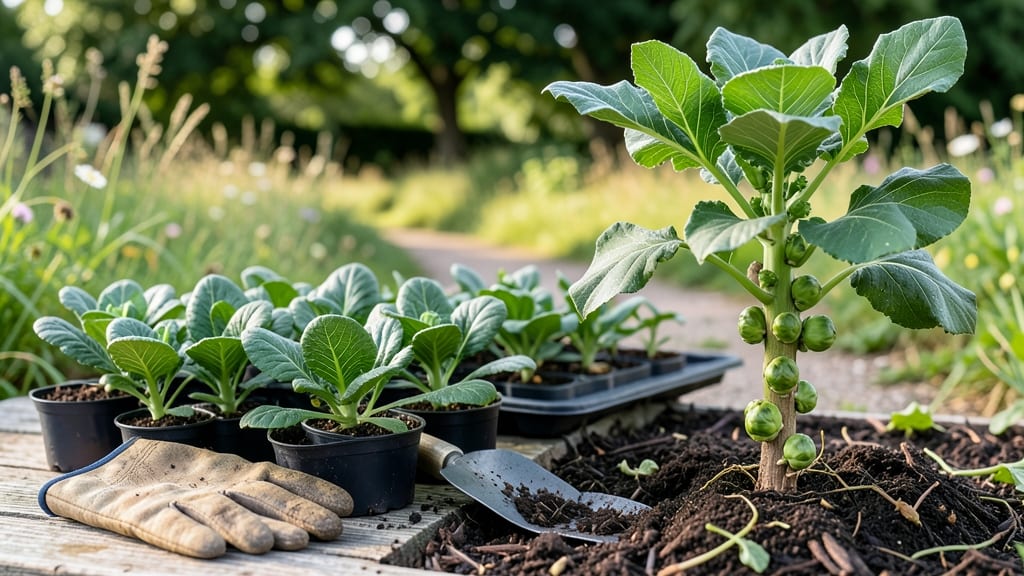
Planting Brussel sprouts 🥦 in Southern California can feel like a high-stakes game—get the timing wrong, and you might end up with bitter disappointment (or worse, no harvest at all).
Unlike northern gardens, where frost signals the perfect window, Southern California’s mild winters and regional microclimates demand a completely different strategy.
Coastal areas like Santa Barbara and San Diego have cooler, foggy winters, while inland spots like Riverside and Bakersfield stay warmer longer. This means your fall-planted 🥦 sprouts could bolt in the heat if you’re not careful—or miss their prime harvest window if you wait too long.
The key? Knowing exactly when to plant for your specific zone.
In this guide, I’ll break down the ideal planting windows for both coastal and inland Southern California, including how to adjust for microclimates, soil prep, and even companion planting tips to maximize your yield.
Whether you’re a first-time gardener or a seasoned grower, these insights will help you avoid common mistakes and enjoy a bountiful harvest.
Ready to grow sweet, tender 🥦 sprouts that taste fresh from your garden? Let’s dive into the exact months and methods that work best for your backyard—no guesswork required.
Southern California Brussel sprout planting calendar: coastal vs inland timing differences
Southern California’s diverse microclimates create a perfect puzzle for growing Brussel sprouts. While coastal areas like Santa Barbara and San Diego enjoy milder winters, inland valleys such as Riverside and Bakersfield experience cooler nights and warmer days.
These differences mean your planting window could shift by 4-6 weeks depending on location.
Brussel sprouts need consistent cool weather (below 70°F) to thrive, but they’ll bolt or struggle in Southern California’s summer heat. The key is planting when soil temps drop below 75°F—typically in late summer to early fall for coastal regions and early fall to winter inland.
Here’s the critical difference: Coastal growers can plant as late as October, while inland gardeners should start by mid-September to avoid heat stress. Even a 2-week delay can mean the difference between a bountiful harvest and stunted plants.
| Region | Ideal Planting Window | Soil Temp Goal | Harvest Window | Key Risk |
|---|---|---|---|---|
| Coastal (Santa Barbara, San Diego) | Late August - October | Below 75°F | December - February | Heat stress if planted too late |
| Inland (Riverside, Bakersfield) | Mid-September - November | Below 70°F | November - March | Frost risk in high elevations |
| Mountainous (Big Bear, Wrightwood) | July - August (early for cooler temps) | Below 65°F | September - December | Late-season frosts |
For coastal gardeners, aim to plant 6-8 weeks before the first 50°F night—usually in September. Inland areas can push planting to October or even November because cooler nights arrive later. Use a soil thermometer to confirm temps are below 75°F before sowing seeds or transplanting seedlings.
Pro tip: Succession planting works wonders in Southern California. Sow a second batch in late January for a spring harvest (May-June), especially in inland zones where winters are cooler. This extends your growing season and maximizes your garden’s potential.
One common mistake? Assuming all of Southern California is the same. Los Angeles’s coastal climate allows later plantings, while Palm Springs’s desert heat demands earlier starts. Always check your local frost dates—even if rare, frost can damage tender sprouts.
If you’re unsure about your microclimate, observe nearby gardens. Notice when kale or cabbage (similar cool-season crops) are thriving—this is your cue. For example, if your neighbor’s broccoli is bolting in September, it’s time to plant Brussel sprouts.
Remember: Brussel sprouts need time. From seed to harvest, it takes 90-120 days. Plant too late, and you’ll miss your window entirely. Start seeds indoors 6-8 weeks before your target outdoor date to give them a head start.
Finally, don’t overlook companion planting. Pair Brussel sprouts with bush beans or radishes to improve soil health and deter pests. This strategy works equally well for coastal and inland gardens.
With the right timing, your Brussel sprouts will reward you with tender, flavorful harvests—whether you’re in sunny San Diego or cooler Riverside. 🥦
How to adjust planting for Southern California’s microclimates: a gardener’s checklist
Southern California’s microclimates can vary drastically—just 30 miles inland from the coast, and you’ll face warmer nights and drier soil. These differences mean your Santa Barbara garden might thrive with September planting, while Riverside growers should wait until October.
Understanding your local frost risk and soil temperature is key to timing your Brussels sprouts perfectly.
Start by checking your USDA Zone (9b-10a) and elevation. Coastal areas like San Diego rarely drop below 40°F, while inland valleys like Riverside can experience light frosts in winter.
Use a soil thermometer to confirm when soil temps hit 50-60°F—the ideal range for planting. Most garden centers sell these for under $15, and they’re a game-changer for precision.
Next, account for your sun exposure. Brussels sprouts need 6+ hours of sun daily, but coastal fog can reduce sunlight by 30%. If your garden is shaded, opt for dwarf varieties like ‘Long Island Improved’ or extend your growing season with row covers.
Inland areas with intense summer sun may need afternoon shade to prevent bolting (premature flowering).
For coastal gardeners, focus on early September planting to avoid summer heat stress. Inland growers should wait until mid-October to align with cooler night temperatures.
If you’re unsure, use the “10-week rule”: Count back 10 weeks from your first expected 50°F night—that’s your ideal transplant date. For example, if nights drop to 50°F in November, plant in early September.
Don’t forget succession planting! In Southern California, you can squeeze in two harvests per year: one from fall planting (December-January) and another from winter planting (February-March for spring harvests). Space your plantings 3-4 weeks apart to ensure a continuous supply of fresh sprouts.
Just be sure to harvest before bolting—once temps rise above 75°F, your plants will bolt and go to seed.
Finally, leverage free tools like the UC Master Gardener Program’s frost maps or Weather Underground’s historical data to refine your schedule. These resources provide hyper-local insights that generic planting guides miss. With the right adjustments, your Brussels sprouts will thrive year-round in Southern California’s diverse climates! 🌱