
Plants
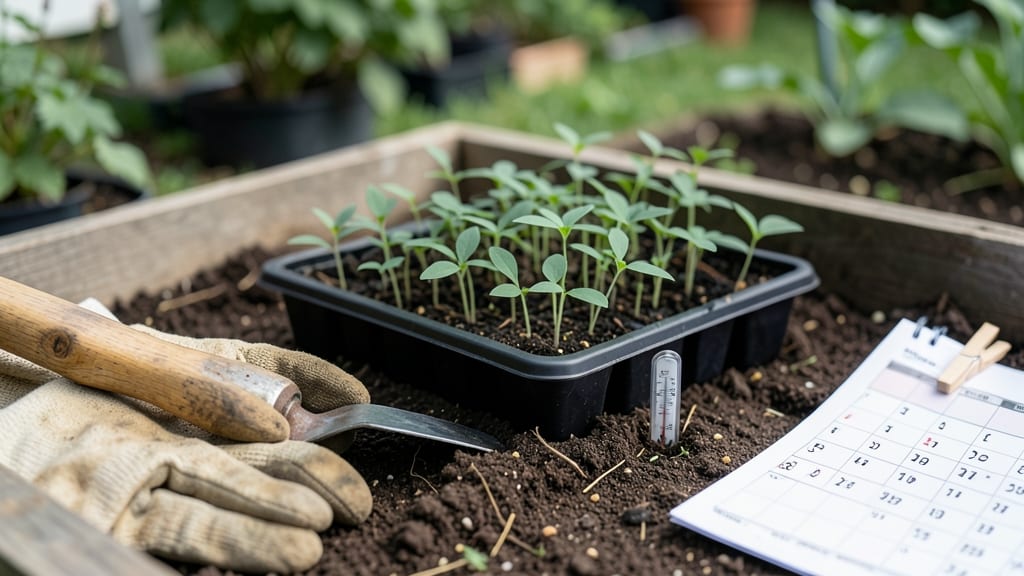
Planting buckwheat in Michigan isn’t just about timing—it’s about unlocking fast soil protection before weeds take over. This hardy cover crop thrives when sown between late May and early June, giving it 60 days to grow before frost hits.
Miss that window, and you’ll lose out on its ability to suppress weeds and enrich the soil naturally.
Michigan’s 5b-6b climate zones mean gardeners in the Upper Peninsula have slightly more time than those in the Lower Peninsula, but both regions can benefit from buckwheat’s quick-growing nature. Whether you’re planting for grain, greens, or soil health, knowing the right moment makes all the difference.
Let’s break down the best planting schedule to maximize your harvest and soil benefits.
One of the biggest mistakes Michigan gardeners make is waiting too late—planting in July or August often means buckwheat won’t mature before frost. But with the right timing, you can even double-crop it for fall harvests or use it as a living mulch.
The key is soil warmth (at least 50°F) and avoiding waterlogged conditions, which can stunt growth.
Ready to transform your garden? Buckwheat isn’t just a cover crop—it’s a game-changer for Michigan’s short growing season. I’ll show you exactly when to plant, how to stagger seeds for continuous cover, and why this fast-growing plant is a must-have for every gardener.
Best planting windows for buckwheat in Michigan’s climate zones
Michigan’s diverse climate—from the Upper Peninsula’s cooler USDA Zone 4 to the Lower Peninsula’s Zone 6—means buckwheat planting times vary by region.
The key is aligning your schedule with last frost dates (mid-April to early May) and first frost dates (mid-October to early November) to maximize soil protection and weed suppression.
For most of Michigan, late May to early June is the optimal planting window for buckwheat. This timing ensures the plant matures before fall frosts, allowing it to suppress weeds and protect soil while still providing time for a second planting in late summer (August) if needed.
In cooler northern regions, aim for early June to avoid early frosts.
Buckwheat’s fast growth cycle (30-60 days) makes it ideal for double-cropping. Plant once in spring and again in late summer (August) to extend soil coverage. The Upper Peninsula’s shorter growing season may limit fall plantings, but a spring-only strategy still delivers excellent results.
Here’s how Michigan’s three main climate zones affect buckwheat timing:
Soil temperature is just as critical as frost dates. Buckwheat germinates best when soil reaches at least 50°F (10°C). In Michigan’s cool springs, wait until mid-May to ensure consistent germination. Use a soil thermometer to confirm readiness—especially in northern gardens where early planting can lead to slow growth.
For organic gardeners, buckwheat thrives in poor soils and doesn’t require fertilization. However, if your soil is very compacted, till in compost or aged manure before planting to improve drainage. This is especially helpful in clay-heavy soils common in Michigan’s southern regions.
Pro tip: Plant buckwheat in succession every 3 weeks from June through August. This creates a rolling cover crop that suppresses weeds continuously and prevents soil erosion between plantings. Just be sure to terminate buckwheat before it seeds if you don’t want it to self-sow aggressively.
In container gardens, buckwheat grows well in 5-gallon pots with full sun. Plant in late May and harvest greens in 4-6 weeks—perfect for urban gardeners with limited space. Just ensure pots have drainage holes to prevent root rot in Michigan’s humid summers.
Always monitor local weather forecasts in late summer. If an early frost warning appears in September, prioritize fall plantings over other crops to maximize soil protection before winter. Buckwheat’s fast growth means it can still establish and die back before snowfall, leaving behind nutrient-rich biomass for your garden.
How to time buckwheat planting for maximum soil protection and weed suppression
Timing buckwheat right isn’t just about when you toss seeds—it’s about creating a living shield against weeds and erosion. The magic happens when you plant buckwheat 60-75 days before your first frost, giving it enough time to mature while blocking weeds from stealing nutrients.
In Michigan, that means late May to early July for most regions, with a second chance in early August for a fall harvest.
For maximum weed suppression, aim to plant buckwheat when weeds are just starting to germinate. This 30-day head start gives buckwheat’s fast growth (up to 3 feet tall in 60 days) a fighting chance to outcompete dandelions and crabgrass.
Think of it like a race—buckwheat needs to win before weeds even cross the finish line.
🌾
Michigan’s variable rainfall can throw off timing, so monitor soil moisture—buckwheat needs consistent dampness but hates waterlogged conditions. If your area gets heavy June rains, plant on the earlier side (late May) to avoid fungal issues.
Conversely, in drier zones like western Michigan, wait until early June when soil warms up.
One of my favorite tricks is using buckwheat as a living mulch around vegetables like tomatoes or peppers. Plant it in rows between crops in mid-June, then terminate it before harvest. This keeps weeds down without chemicals and adds nitrogen-rich biomass to the soil when tilled in.
Don’t forget: buckwheat’s fast growth cycle (30-60 days to maturity) makes it perfect for Michigan’s short season. If you miss the spring window, a late August planting can still yield grain or greens before frost. The key is soil temperature—wait until it hits 50°F+ for reliable germination.
For organic gardeners, buckwheat is a game-changer. Its deep roots break up compacted soil, while its dense canopy blocks 90% of weed seeds from germinating. By timing plantings strategically, you’ll turn weeds into a non-issue and give your soil a free, nutrient-packed boost every season.