
Plants
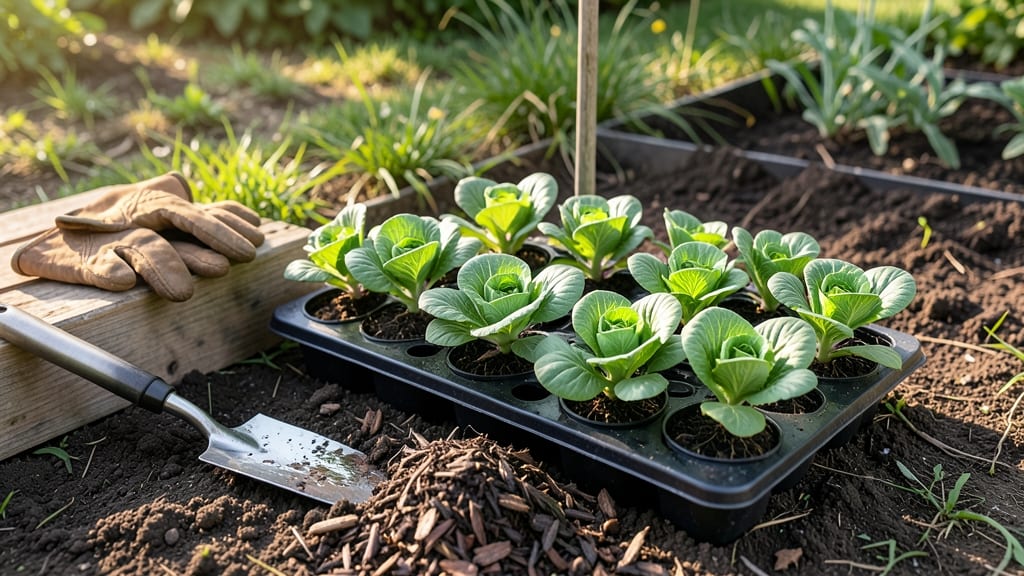
Planting cabbage in Illinois at the wrong time means bitter, bolting heads instead of the crisp, flavorful 🥬 you crave.
The key to zero-bolt harvests lies in precise timing—4 to 6 weeks before your last frost (usually mid-April) for spring crops, or 100 to 120 days before your first frost (mid-October) for fall harvests.
Illinois’ USDA zones 5-6 bring short but sweet growing seasons, so getting the timing right is everything. Too early? Your cabbage will bolt from heat stress. Too late?
You’ll miss the harvest window entirely. I’ll break down the exact weeks to plant based on your region, plus how to adjust for Illinois’ unpredictable weather.
Whether you’re starting seeds indoors or sowing directly, these strategies ensure your cabbage thrives from seed to table. You’ll learn which varieties work best for your area and how to extend the season for a fall bounty—no bitter surprises here.
Let’s dive into the planting schedule that’ll give you bold, sweet heads all season long. Your garden (and taste buds) will thank you!
Illinois cabbage planting calendar: exact weeks before last frost by region
Timing your cabbage planting in Illinois depends on your USDA Zone (5-6) and whether you're growing for spring or fall harvests. The state’s last frost dates range from mid-April in the north to early April in the south, while first frosts arrive between mid-October and early November.
Missing these windows can lead to bolting or stunted growth.
For spring cabbage, aim to plant 4-6 weeks before your last frost date. In fall, sow seeds 100-120 days before the first frost to ensure mature heads before cold sets in.
Illinois’ variable climate means you’ll need to adjust based on your specific region—Northern Illinois (Zones 5a-5b) has shorter growing seasons than Southern Illinois (Zones 6a-6b).
Here’s how to align your planting with Illinois’ three key regions for zero-bolt, flavorful harvests:
| Region | Last Frost Date | Spring Planting Window | Fall Planting Window | Transplant Ready |
|---|---|---|---|---|
| Northern Illinois (Zones 5a-5b) | April 15–20 | March 10–April 5 | August 1–15 | April 1–15 |
| Central Illinois (Zones 5b-6a) | April 1–10 | March 15–April 10 | August 10–25 | March 25–April 20 |
| Southern Illinois (Zones 6a-6b) | March 25–April 5 | March 1–March 25 | August 20–September 5 | March 15–April 5 |
📅 Key: Transplant ready means seedlings are hardened off and ready for the garden.
If you’re starting cabbage seeds indoors, begin them 6-8 weeks before your target transplant date. For example, in Central Illinois, start seeds indoors by February 15 for spring planting. Use grow lights to provide 12-16 hours of light daily—cabbage needs consistent light to prevent leggy seedlings.
For direct sowing, plant seeds 1/4 inch deep, spacing them 18-24 inches apart in rows 24-36 inches apart. Thin seedlings to 12-18 inches apart once they reach 4 inches tall.
This spacing ensures good air circulation, reducing the risk of disease like downy mildew, which thrives in Illinois’ humid summers.
Extend your fall harvest window by using row covers or cold frames to protect plants from early frosts. In Northern Illinois, where frosts arrive earlier, start your fall cabbage by August 1 to harvest before October 15.
In Southern Illinois, you can push it slightly later—aim for August 20 to September 5 for a November harvest.
Monitor your local frost dates using the Illinois State Water Survey or Old Farmer’s Almanac for real-time adjustments. If you’re in Zone 5a and experience a late frost, delay planting until May 1 for a summer harvest instead of risking bolting.
Pro tip: Succession planting every 2 weeks in spring and fall ensures a continuous harvest. For example, in Central Illinois, plant one batch on March 15, another on April 1, and a final batch on August 15 for staggered maturity.
Remember, cabbage is a cool-season crop, so avoid planting when soil temperatures exceed 80°F. In Illinois’ summer heat, even a few days above this threshold can trigger bolting. Use shade cloth or plant in partial shade during peak heat if you must extend your season.
By following these region-specific windows, you’ll avoid the bitter, woody taste of bolting cabbage and enjoy crisp, sweet heads all season long. Happy planting! 🥬
How to avoid bolting: cabbage’s most common mistake in Illinois gardens
If you’ve ever grown cabbage in Illinois only to watch it bolt—sending up a bitter, flower stalk instead of a tender head—you’re not alone. Bolting happens when cabbage senses heat stress, and Illinois’ unpredictable spring and summer temperatures make it a common frustration.
The key to avoiding this is understanding three critical temperature thresholds that trigger bolting: 75°F (24°C) for extended periods, 80°F (27°C) for even a few days, and consistent nighttime temps above 60°F (15°C).
Cabbage is a cool-season crop, meaning it thrives when days are mild and nights are cool. Once temperatures climb, your plants will shift their energy from head formation to flowering—resulting in small, tough, or bitter heads.
In Illinois, this usually happens in late May through July, but early summer heat waves can sneak up on gardeners as early as mid-May.
To extend your growing season and avoid bolting, start with shade-cloth solutions. A 30-50% shade cloth can lower temperatures by 5-10°F (3-6°C), keeping your cabbage happy during heat spikes.
I’ve had great success using shade cloth over my late-season cabbage plants in August, which buys me an extra 4-6 weeks of harvest time before the first frost.
⚠️ BOLTING WARNING
Illinois gardeners, watch for these 3 red flags that your cabbage is about to bolt:
- 🌡️ Nighttime temps above 60°F (15°C) for 3+ nights – Your cabbage thinks it’s time to flower.
- 🌱 Leaves yellowing at the base – A sign the plant is stressed and shifting energy.
- 🌱 Stem thickening and elongating – The classic bolt signal, often visible within days.
💡 Quick Fix: If you catch it early, prune the top 2-3 inches of the stem to encourage head regrowth. Works best on younger plants!
Another trick I swear by is succession planting. Instead of planting all your cabbage at once, stagger your seed starts every 2-3 weeks from early March through mid-April. This ensures you always have young, heat-sensitive plants maturing during the cooler spring months, while older plants are already harvested.
For fall crops, start seeds in late July to early August for a harvest before the first frost.
For gardeners in Southern Illinois (USDA Zone 6), where summers are hotter, focus on fast-maturing varieties like ‘Golden Acre’ (58 days) or ‘Early Jersey Wakefield’ (60 days). These can go from seed to harvest before the heat really sets in.
In Northern Illinois (USDA Zone 5), you’ve got a little more flexibility with mid-season varieties like ‘Copenhagen Market’ (85 days), but be ready to use shade cloth by early June.
Finally, watering habits play a huge role in preventing bolting. Cabbage needs consistent moisture, especially during heat waves. Let the soil dry out even slightly, and your plants will stress and bolt faster.
Aim for 1-1.5 inches of water per week, delivered in the early morning to reduce evaporation and fungal risks. Mulching with straw or grass clippings helps retain moisture and keeps roots cool.
With these strategies, you’ll avoid the bitter disappointment of bolting and enjoy crisp, sweet cabbage heads all season long. Your taste buds—and your garden—will thank you! 🥬