
Plants
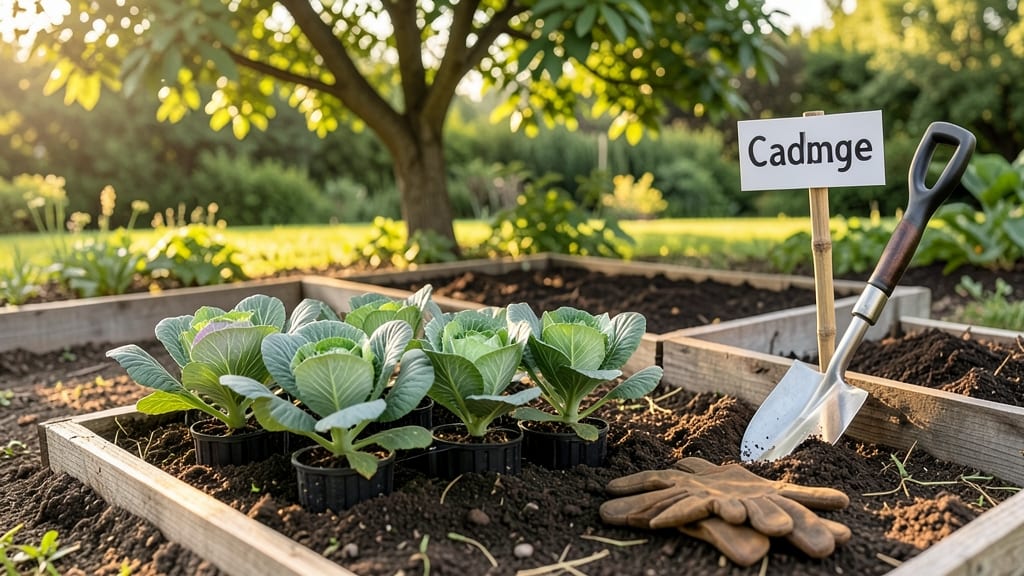
Planting cabbage in Michigan isn’t just about throwing seeds in the ground—it’s about mastering the timing game between frost dates and your variety’s needs. Whether you’re growing crisp green heads for summer salads or hearty fall storage crops, getting the timing wrong can mean wasted effort or stunted harvests.
With Michigan’s USDA Zones 5b-6b and unpredictable spring weather, knowing when to plant cabbage is the difference between a bountiful 🥬 harvest and a disappointing flop. Spring plantings need to happen 4-6 weeks before your last frost, while fall crops demand precision to mature before winter sets in.
I’ve grown cabbage in Michigan for years, and I’ll show you exactly how to align planting dates with your local microclimate—whether you’re in Detroit’s urban gardens or Traverse City’s cooler shores. From soil prep to frost protection, here’s your no-fail guide to cabbage success.
Ready to grow cabbage that thrives? Let’s dive into the exact planting windows and pro tips that’ll have you harvesting heads all season long—no guesswork required.
Michigan cabbage planting deadlines by variety type (early, mid, late season)
Michigan’s cabbage planting success hinges on understanding your USDA Zone 5b-6b and the three variety categories: early, mid, and late season. Each type has distinct frost-free windows and soil temperature requirements to thrive.
For example, early varieties like ‘Early Jersey Wakefield’ need to be in the ground 4-6 weeks before last frost, while late varieties like ‘Wisconsin All-Purpose’ can handle cooler soils and extend harvests into fall.
Your last frost dates vary dramatically across Michigan—Detroit averages May 10th, while Traverse City’s May 15th and Grand Rapids sits at May 5th. These differences mean your planting deadlines should adjust by 5-10 days depending on your location.
Always verify local frost data from Michigan State University Extension to fine-tune your schedule.
Soil temperature is just as critical as air temperature. Cabbage seeds won’t germinate below 45°F (7°C), and seedlings struggle in cold, wet soils. Use a soil thermometer to confirm 50°F (10°C) minimum before direct sowing.
In cooler northern Michigan zones, wait until soil warms to 55°F (13°C) for reliable germination.
Here’s how to align your planting timeline with Michigan’s microclimates and variety types, including soil prep and frost protection strategies:
For spring planting, aim to have transplants ready 4-6 weeks before your last frost date.
Start seeds indoors under grow lights in March for early varieties, or direct sow in April when soil is workable. Fall cabbage requires a different approach: sow seeds 10-12 weeks before first frost (typically late July to early August) to ensure heads mature before October’s early frosts.
Pro tip: Use floating row covers to extend your planting window by 2-3 weeks in spring or fall. These lightweight fabrics protect seedlings from light frosts (28-32°F) while allowing sunlight and air circulation.
In northern Michigan (Zone 5b), I’ve successfully planted early cabbage as late as May 1st with row covers, avoiding frost damage entirely.
If you’re in southern Michigan (Zone 6b), where summers can be hot and humid, opt for heat-tolerant varieties like ‘Cavalo’ or ‘Golden Acre’. These varieties handle 85°F+ temperatures better than traditional types and reduce the risk of bolting (premature flowering).
Always pair heat-tolerant varieties with drip irrigation to maintain even moisture levels.
Remember: Michigan’s growing season is short—120-150 frost-free days in most areas. Plan your planting schedule to maximize yield by staggering successive plantings every 2 weeks in spring and 3 weeks in fall. This ensures a continuous harvest from July through November, even with Michigan’s unpredictable weather.
🌱
Michigan cabbage planting deadlines by variety type (early, mid, late season)
Michigan’s USDA Zones 5b-6b mean your cabbage planting window hinges on both last frost dates and variety maturity. Early-season varieties like ‘Wisconsin All-Purpose’ need to hit the soil 4-6 weeks before frost, while late-season ‘Red Express’ can wait until late July for fall harvests.
Let’s break down the exact deadlines for Michigan’s three regions.
For Detroit and southern Michigan, aim for mid-April to early May for spring plantings—soil temps should reach 45°F+. In Traverse City and the Upper Peninsula, push back to late April to early June due to cooler soils.
Fall crops? Start late July to early August everywhere, with harvests stretching into November.
| Variety Type | Planting Window | Days to Maturity | Soil Temp Requirement | Regional Notes |
|---|---|---|---|---|
| Early Season | Mid-April to early May | 50-60 days | 45°F+ | Best for Detroit; use row covers for late frosts |
| Mid Season | Late April to early June | 60-70 days | 50°F+ | Ideal for Grand Rapids; extends harvest window |
| Late Season | Late July to early August | 70-90 days | 55°F+ | Perfect for Traverse City; harvests before first frost |
Pro tip: Use soil thermometers to confirm temps—cold soils delay germination. For southern Michigan’s Zone 6b areas, you can push early plantings to mid-March indoors under grow lights, then transplant after last frost. Northern gardens should wait until after May 15th to avoid frost damage.
Remember: Fall cabbage needs 10-12 weeks of growth before first frost. In Traverse City, that means starting seeds by July 15th—any later and you’ll miss the harvest. Southern Michigan’s longer growing season lets you squeeze in a second fall crop if you start by August 1st.
Don’t overlook microclimates. Urban Detroit gardens often warm up faster than rural areas, while Great Lakes shorelines stay cooler longer. Adjust your planting dates by 1-2 weeks based on your specific location’s frost history—check Michigan State University’s frost maps for local data.
For transplants, buy hardened-off seedlings from local nurseries in early May. If starting from seed, begin indoors 6-8 weeks before last frost using seedling heat mats for faster germination. The key? Consistency—cabbage hates temperature swings, so avoid planting during unpredictable spring weather.