
Plants
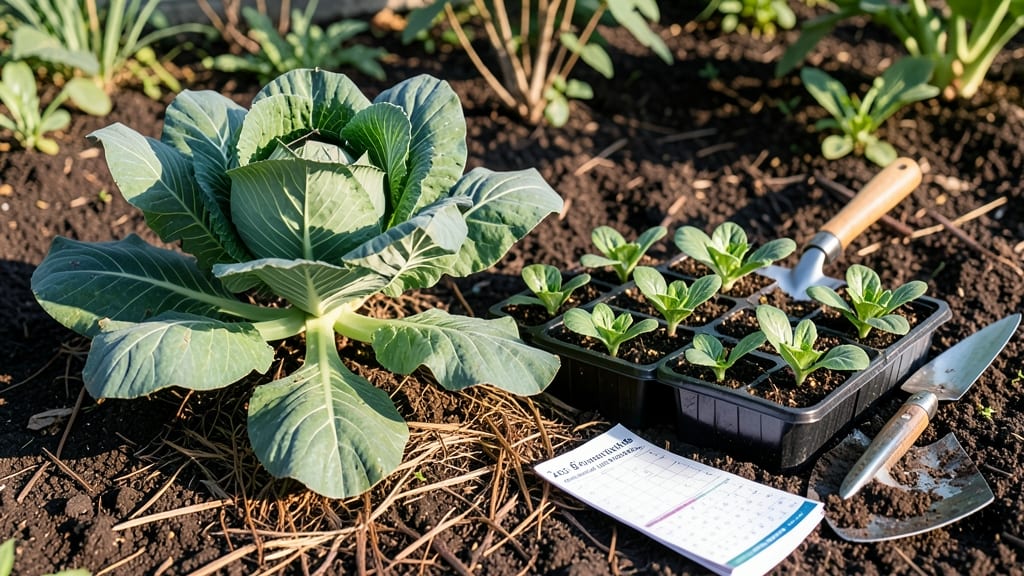
Planting cabbage in Zone 9’s scorching summers feels like playing a high-stakes game of timing—get it wrong, and you’ll end up with bitter, bolted greens instead of crisp, sweet heads.
The key to success isn’t just picking the right month; it’s choosing the right variety and preparing your soil to handle the heat.
Most gardeners assume cabbage belongs in cool spring soil, but Zone 9’s climate flips the script. You’ll actually want to focus on fall planting, when temperatures dip just enough to give your 🌱 cabbage the ideal growing conditions.
I’ve tested this approach for years, and the results speak for themselves: fewer pests, no bolting, and heads that stay firm until harvest.
Here’s what you need to know: the best window to plant cabbage in Zone 9 starts in late August and runs through early October. But timing isn’t everything—you’ll also need to pick heat-tolerant varieties and adjust your watering routine to keep roots cool.
Let me walk you through the exact steps to avoid common mistakes and ensure a bountiful harvest.
Whether you’re a seasoned gardener or just starting out, these insights will help you grow cabbage that’s healthier, more flavorful, and ready to harvest just as the weather cools. Ready to transform your garden’s potential? Let’s get started.

Best planting months for cabbage in Zone 9 (avoid bolting & heat stress)
Zone 9’s hot summers and mild winters create a unique challenge for growing cabbage. Unlike cooler climates, you’ll avoid bolting (premature flowering) by planting during fall and winter months when temperatures stay below 75°F. Summer planting is risky—even heat-resistant varieties struggle when daytime highs exceed 85°F.
Your primary planting window spans from late August to early October, targeting soil temps between 60°F and 70°F. This schedule ensures heads form before spring heat arrives. For a second harvest, plant again in January to February when nights stay cool but days rarely exceed 70°F.
Here’s the key: Direct sow seeds 4–6 weeks before your average first frost date (typically mid-December in Zone 9). If starting transplants indoors, begin seeds 8–10 weeks before transplanting to match these timelines. Shade cloth (30–50%) can extend summer planting by 2–4 weeks if temps dip below 80°F.
| Planting Window | Ideal Soil Temp (°F) | Days to Maturity | Key Challenge | Solution |
|---|---|---|---|---|
| Late August–Early October | 60–70°F | 60–90 days | Bolting risk | Use heat-tolerant varieties + shade cloth |
| January–February | 55–65°F | 75–90 days | Slow growth | Warm soil with black plastic mulch |
| Mid-March (coastal) | 50–60°F | 80–100 days | Pest pressure | Companion plant with dill or onions |
| Late June (high desert) | 65–75°F | 50–60 days | Heat stress | Plant early-maturing varieties + drip irrigation |
Zone 9’s microclimates matter—coastal areas (like San Diego) can handle March plantings, while inland deserts (like Phoenix) should stick to fall/winter only. Test your soil’s pH (6.0–7.0) and amend with compost to improve heat retention. Drip irrigation keeps roots cool during peak heat.
Pro tip: Succession plant every 3 weeks in fall for continuous harvests. Space seeds 18–24 inches apart to prevent competition, and thin seedlings to 12–15 inches when they’re 3–4 inches tall. This spacing reduces fungal diseases caused by poor airflow.
Watch for heat stress signs like yellowing leaves or stunted growth—these mean it’s time to provide afternoon shade or increase watering frequency. Mulch with straw to retain moisture and keep roots 10–15°F cooler during daytime highs.
For urban gardeners, container-growing works if pots are at least 12 inches deep and placed in partial shade during summer. Use lightweight potting mix with perlite to improve drainage—cabbage roots rot quickly in soggy soil.
Remember: Zone 9’s long growing season lets you experiment! Try Chinese cabbage (bok choy) for summer harvests—it tolerates 90°F+ temps better than traditional varieties. Just harvest young leaves to avoid bolting.
🌱
Best planting months for cabbage in Zone 9 (avoid bolting & heat stress)
Zone 9’s summer heat makes cabbage a tricky crop, but timing your plantings correctly can mean the difference between a bountiful harvest and a failed attempt. The ideal window for planting cabbage in Zone 9 is late August through early October, when daytime temperatures start to cool.
This timing allows your plants to establish roots before the first frost (typically November in Zone 9), giving them enough time to mature.
If you’re eager to try an early harvest, you can also plant a small batch in late spring (March to early April), but be prepared to provide shade cloth during peak afternoon heat.
I’ve found that cabbage planted in spring often bolts by June unless given extra protection, so I recommend focusing on the fall window for the best results.
Here’s the breakdown: August 20–September 15 is the sweet spot for most varieties, as soil temperatures drop below 80°F—the threshold where cabbage starts to stress. Planting after mid-September risks heads forming too late in the season, leaving them vulnerable to frost before reaching maturity.
| Planting Window | Soil Temp (°F) | Key Considerations | Harvest Window |
|---|---|---|---|
| Late August | 75–80°F | Best for early fall harvest; use shade cloth if temps spike. | October–November |
| Mid-September | 70–75°F | Ideal for late fall/winter harvest; minimal bolting risk. | November–December |
| Early October | 65–70°F | Risk of frost-sensitive varieties; choose cold-hardy types. | December–January |
For gardeners in coastal Zone 9 (like Southern California), you can push planting into early November, as milder ocean breezes delay frost. Inland areas, however, should wrap up plantings by mid-October to avoid frost damage.
I once tried planting in early November in inland Riverside, and my cabbage heads never fully formed—don’t make that mistake!
Pro tip: Use a soil thermometer to monitor temperatures. Cabbage thrives when soil stays between 60–75°F—any hotter, and you’ll see stunted growth or bolting. If your soil runs warmer, amend it with compost or aged manure to improve moisture retention and cool the root zone.
Finally, consider succession planting every 2–3 weeks within your chosen window. This ensures a steady supply of fresh cabbage and maximizes your garden space. For example, plant one batch in late August, another in early September, and a final one in mid-September.
This staggered approach guarantees harvests from October through December.