
Plants
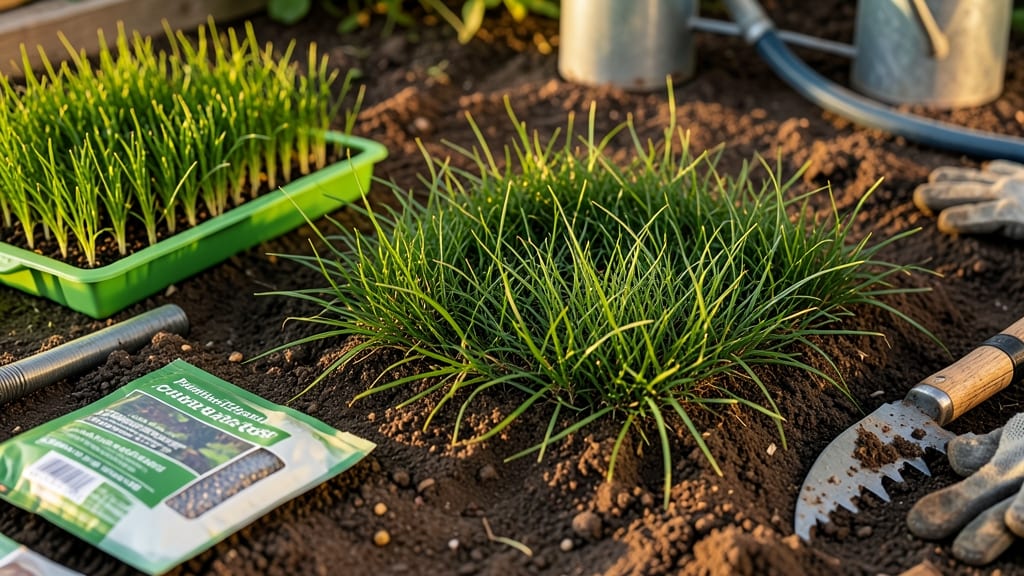
Timing when to plant cool-season grass in spring—4-6 weeks before the last frost—is the secret to a lush, resilient lawn that outlasts summer heat. Too early, and frost will stall growth; too late, and your grass may struggle to establish roots before the scorching sun arrives.
In USDA Zone 6, that means aiming for early March to mid-April—when soil temperatures hit that sweet spot of 50-65°F. But don’t just guess: check your local frost dates and soil readiness to avoid common mistakes that leave lawns patchy or weak.
I’ve seen firsthand how precise timing transforms a struggling lawn into a vibrant, drought-resistant carpet. The key isn’t just the calendar—it’s understanding your region’s microclimate and preparing the soil just right.
Ready to plant with confidence? I’ll walk you through the exact steps to calculate your window, test soil conditions, and choose the best grass type for your climate—so you can enjoy a lawn that thrives all season long.
Cool season grass planting timeline: exact weeks before last frost for optimal root growth
Getting the timing right for cool-season grass in spring means the difference between a lush, vibrant lawn and one that struggles to take hold.
The ideal window is 4-6 weeks before your last frost date, but this varies dramatically by region—planting too early risks frost damage, while waiting too long means summer heat stifles root growth before it can establish.
Most cool-season grasses like Kentucky bluegrass, fescue, and ryegrass need soil temperatures between 50-65°F to germinate properly. If you plant when the ground is too cold, seeds may rot; if it’s too warm, they’ll dry out before sprouting.
This balance is why timing matters more than just avoiding frost.
Your last frost date is the golden number, but it’s not just about the calendar—it’s about soil temperature and daytime warmth. For example, in USDA Zone 5, that might mean planting in early April, while in Zone 8, you could start as early as February.
The key is to give your grass 6-8 weeks of warm-ish days before summer heat sets in.
Here’s the critical rule: Plant when you can consistently see 55°F soil temps during the day and nights stay above 40°F. Use a soil thermometer to check—this is the best way to avoid guesswork.
If you’re in doubt, err on the side of waiting a few weeks rather than planting too soon.
| Region (USDA Zone) | Last Frost Date (Avg.) | Ideal Planting Window | Soil Temp Threshold (°F) | Grass Variety Notes |
|---|---|---|---|---|
| Zone 3-4 (Cold North) | May 1 | April 15 - May 1 | 50-60°F | Tall fescue and ryegrass preferred; slower growth in cold soil. |
| Zone 5-6 (Midwest/Northeast) | April 15 | March 20 - April 10 | 55-65°F | Kentucky bluegrass thrives; avoid bermuda (warm-season). |
| Zone 7-8 (South/Central) | March 1 | February 15 - March 10 | 60-68°F | Fine fescue best for heat tolerance; plant early to beat summer. |
| Zone 9-10 (Deep South) | January 15 | January 1 - February 5 | 65-70°F | Cool-season grass struggles; consider shade-tolerant varieties or overseeding in fall. |
🌱 Pro Tip: Check your local Almanac or USDA Plant Hardiness Map for precise frost dates.
If you’re unsure about your last frost date, use the 50°F soil temp rule as your guide. Most regions see this temperature rise consistently around 4-6 weeks before frost, but urban areas can warm up faster due to heat islands.
For example, cities like Chicago might hit 50°F soil by late March, while rural areas could wait until early April.
Another trick is to watch for daytime highs consistently above 60°F. This signals that your grass seeds won’t be shocked by sudden cold snaps.
Pair this with a soil thermometer ($10 at garden centers) to confirm—this small investment saves you from costly mistakes like seed rot or poor germination.
For those in warmer climates (Zones 7-10), the window is tighter—plant by mid-March at the latest. After that, summer heat will cause seeds to dry out before they sprout.
In colder zones (3-5), you can push planting to early May if soil temps are ideal, but be prepared for slower growth.
One common mistake is relying on air temperature instead of soil temperature. A sunny 70°F day doesn’t mean your soil is ready—it could still be 45°F underground. Always check with a thermometer inserted 2 inches deep, where seeds will germinate.
Finally, if you’re overseeding an existing lawn, aim for the earlier end of the window (e.g., late February in Zone 6). This gives new grass time to establish before summer stress.
Use a slit seeder to ensure seeds make contact with moist soil, and keep the area consistently moist for the first 3 weeks.
Timing your cool-season grass planting isn’t rocket science, but it does require paying attention to soil temps and local microclimates. With the right window, you’ll see strong root growth in 3-4 weeks and a lawn ready to handle summer’s challenges. 🌱
Signs your spring soil is ready (or not ready) for cool season grass planting
Before you rush to plant your cool-season grass, your soil must meet 5 critical conditions—or germination will stall. Cold, soggy, or compacted soil can trap seeds and invite fungal diseases, while dry, rocky soil won’t support root growth.
The key is testing for temperature, moisture, and texture—not just guessing by the calendar.
Start with the soil temperature test: Use a thermometer to check 2-4 inches deep. Ideal temps for cool-season grass like tall fescue or Kentucky bluegrass are 50-65°F.
If it’s below 50°F, wait—seeds won’t sprout until the soil warms. In USDA Zone 6, this usually means holding off until mid-March or later, depending on your microclimate.
Next, perform the moisture squeeze test. Grab a handful of soil and squeeze tightly—it should hold together but not drip water. If it crumbles apart, it’s too dry; if water drips out, it’s oversaturated.
Cool-season grass needs consistent moisture without waterlogging, so aim for soil that feels like a damp sponge. If your soil fails this test, wait for rain or water lightly to adjust before planting.
Soil Temperature
🌡️ 50-65°F at 2-4" depth. Use a thermometer—don’t guess!
Moisture Level
💧 Damp sponge test: Squeeze—holds shape but no drips.
Texture & Compaction
🪣 Loose and crumbly—no hardpan or rocks. Break up clumps with a rake.
pH Balance
📊 6.0-7.5 for most cool-season grasses. Test with a kit—lime or sulfur may be needed.
Frost Risk
❄️ No hard frosts in forecast. Check local last frost dates—plant 4-6 weeks before.
Don’t overlook the texture and compaction test: Dig a 6-inch hole and check for hardpan or rocks. If the soil feels like concrete, loosen it with a garden fork or tiller before planting.
Compacted soil strangles roots and leads to thin, patchy lawns. I’ve seen lawns fail because homeowners skipped this step—don’t make that mistake!
Finally, test your soil pH with a kit (available at garden centers for under $10). Most cool-season grasses thrive in a 6.0-7.5 range. If your soil is too acidic (<6.0), add pelletized lime; if it’s alkaline (>7.5), use elemental sulfur.
Adjusting pH now saves headaches later when your grass yellows from nutrient lockout.
Once you’ve confirmed all 5 conditions, it’s time to plant. But remember: even perfect soil won’t help if you plant too late. Aim for 4-6 weeks before your last frost date—that’s your golden window for strong root establishment before summer heat arrives. 🌱