
Plants
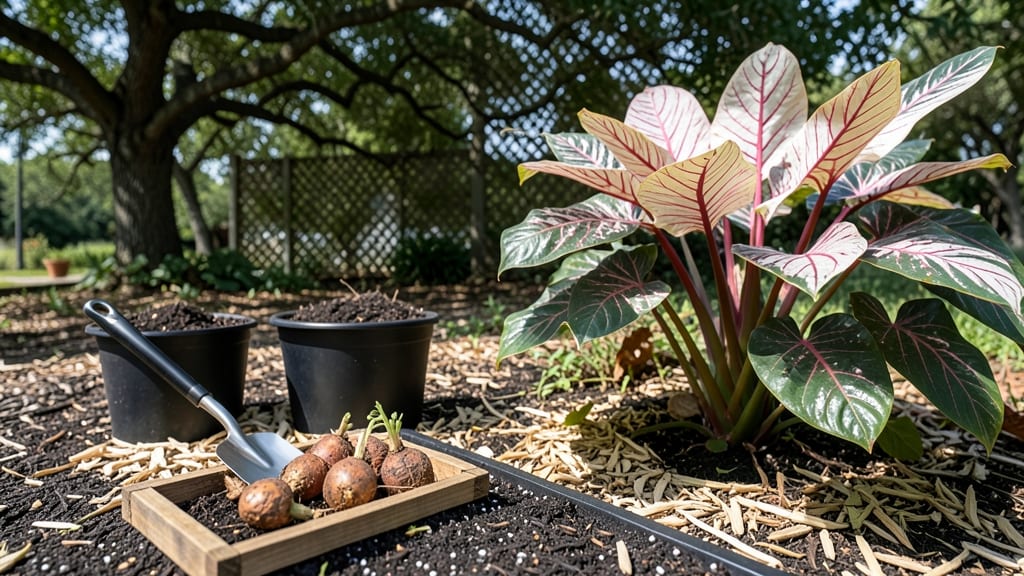
Planting caladium bulbs in Houston at the wrong time can turn your dream of lush, tropical foliage into a sad, wilted mess—especially when those 90°F summers hit too soon.
The key to vibrant 🌿 caladiums lies in waiting for the perfect window: after the last frost (usually by late February) but before the soil bakes above 65°F.
Houston’s humid winters and scorching summers create a tricky balance, but timing is everything. If you plant too early, your bulbs may rot in cold soil; too late, and they’ll struggle to establish roots before the heat sets in.
I’ve learned the hard way—let me save you from the same mistakes.
Whether you’re prepping in-ground beds or containers, the goal is the same: give your caladiums a strong start. We’ll cover soil prep, shade strategies for Houston’s intense sun, and how to extend their stunning foliage season. Ready to grow bold, long-lasting 🌿 caladiums that thrive in our climate?
In just a few steps, you’ll know exactly when to plant, how to protect them from heat stress, and when to expect those show-stopping leaves. Let’s get your Houston garden ready for a season of color!
Houston’s ideal caladium planting window: soil temperature rules and local climate insights
Houston’s humid subtropical climate (Zone 9a) makes it a prime location for growing caladium bulbs, but getting the timing right is everything. Unlike cooler climates, Houston’s warm winters mean you can plant earlier—but not too early.
The key is waiting for soil temperatures to consistently stay above 65°F and nighttime temps above 55°F.
Most Houston gardeners aim to plant between late February and early April, but urban areas like downtown may need to wait until mid-March due to heat island effects. Suburban areas with more shade can often start as early as late February.
The last average frost date in Houston is around January 15, but frost isn’t your main concern—soil warmth is.
Here’s why timing matters: Caladiums are tropical plants that won’t thrive in cold soil. Planting too early in chilly February can stunt growth or even kill your bulbs. Conversely, planting in May or June risks exposing them to Houston’s brutal summer heat before they establish roots.
🌱
| Factor | Houston Ideal Range | Urban Adjustments |
|---|---|---|
| Soil Temperature | 65°F+ (consistent) | Wait 1-2 weeks longer in downtown |
| Nighttime Temps | 55°F+ | Check before planting in February |
| Best Months | March-April | Suburbs: Late Feb; Urban: Mid-Mar |
| Heatwave Risk | After May 15 | Use shade cloth for late plantings |
| Raised Beds | Plant 2-3 weeks earlier | Soil warms faster in containers |
To test your soil temperature, use a simple soil thermometer (available at garden centers for under $10). Insert it 2-3 inches deep in your planting area and check in the morning. If it’s below 65°F, wait another week—your caladiums will thank you with vibrant foliage all summer long.
Houston’s clay-heavy soil can also affect planting times. If your garden sits in full sun, the ground may warm faster, allowing earlier planting. However, this also means you’ll need to provide afternoon shade once temperatures exceed 90°F to prevent leaf scorch.
For container gardeners, raised beds or large pots warm up 2-3 weeks faster than in-ground soil. This gives you a head start, but be prepared to move containers to shadier spots as summer intensifies.
I’ve found that black plastic mulch can raise soil temps by 5-10°F, which is perfect for pushing your planting window earlier in suburban areas.
One common mistake Houston gardeners make is planting caladiums too late in the season. While May plantings can work, they often struggle to establish before Houston’s oppressive summer heat sets in.
If you miss the ideal window, consider starting bulbs indoors under grow lights 4-6 weeks before your target outdoor date.
Remember, caladiums are not frost-tolerant, but Houston’s mild winters mean you don’t need to worry about winter kills. The real challenge is balancing heat and humidity—which is why getting that planting window just right makes all the difference for long-lasting, show-stopping foliage.
💧
Pre-planting preparation checklist: Houston-specific tips for healthy caladium growth
Houston’s clay-heavy soils and intense summer sun demand extra prep work before planting caladium bulbs. Start by testing your soil’s drainage—caladiums hate soggy roots. If your soil compacts easily when wet, amend it with 2-3 inches of compost or coconut coir to improve aeration.
I’ve found that mixing in perlite or sand (1 part to 3 parts soil) works wonders for breaking up Houston’s dense clay.
Next, consider your garden’s sun exposure. Most caladium varieties thrive in partial shade, especially in Houston’s brutal afternoon heat. If your garden gets direct sun for more than 4 hours daily, create shade with lattice screens or tall plants like castor bean or bamboo.
For containers, place them near east-facing windows or under patio umbrellas to filter harsh rays.
For apartment gardeners, container gardening is your best bet. Use pots with drainage holes and fill them with a light, airy potting mix blended with orchid bark or peat moss. I recommend 12-14 inch diameter containers for each bulb, allowing room for their clumping growth habit.
Add a slow-release fertilizer (like 10-10-10) to the mix before planting to give your caladiums a nutrient boost.
Houston Gardener’s Mistake: Planting Too Early
Many Houston gardeners rush to plant caladiums in February, thinking the last frost has passed. But if soil temps stay below 65°F, your bulbs will rot. I’ve seen this happen in urban areas like Montrose, where concrete holds cold longer. Wait until mid-to-late March when nighttime temps consistently stay above 55°F.
Before planting, soak your caladium bulbs in a fungicide solution (like copper fungicide) for 10-15 minutes to prevent rot. This is especially important in Houston’s humid climate, where fungal diseases like rhizoctonia can spread quickly.
After soaking, let them dry for a few hours in a shady, well-ventilated area before planting.
Mulch is your secret weapon against Houston’s swinging temperatures and evaporative losses. Apply a 2-3 inch layer of organic mulch (like shredded bark or pine straw) around your caladiums to retain moisture and regulate soil temperature.
I’ve noticed that mulched plants in suburban areas like Katy stay 3-4°F cooler during heatwaves, which extends their vibrant foliage season.
Finally, plan for ongoing shade adjustments as summer progresses. If your caladiums start looking stressed (yellowing leaves or limp foliage), they’re getting too much sun. Move containers to shadier spots or trim nearby plants to filter light.
For in-ground plants, install movable shade cloths (30-50% shade) during peak afternoon heat. With these prep steps, your caladiums will thrive all summer long in Houston’s challenging climate! 🌿