
Plants
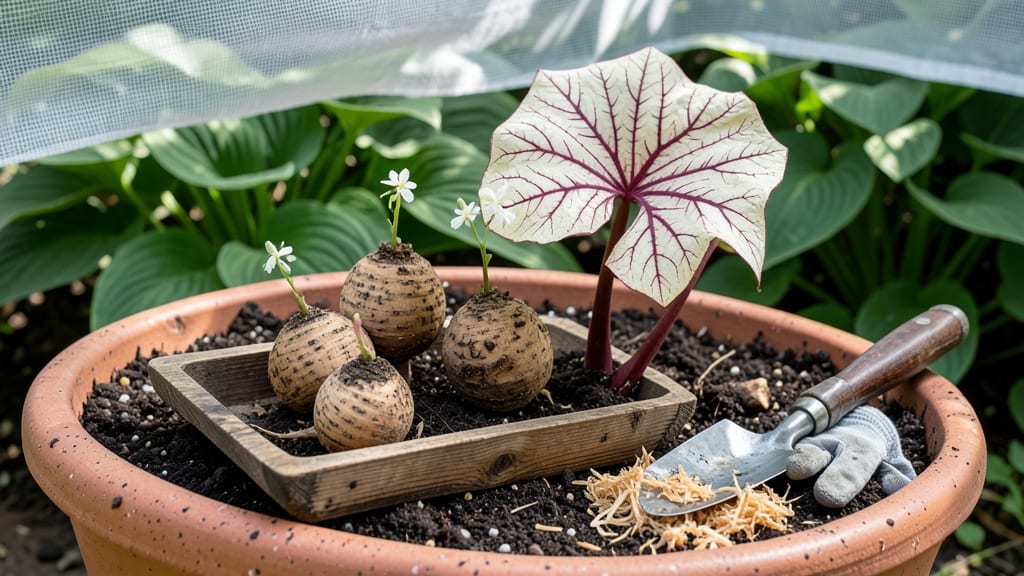
Timing when to plant caladium bulbs in Texas just right can mean the difference between vibrant 🌿 foliage that steals the show and sad, wilted leaves that never take off.
If you've ever watched your caladiums struggle under the relentless Texas sun or freeze before they even sprout, you know how critical this window really is.
For Texas gardeners in zones 8a-10b, the secret lies in waiting until the soil warms to at least 65°F and all frost risk has passed. That typically means holding off until March or April, depending on whether you're in North or South Texas.
Planting too early exposes those tender tubers to unpredictable late frosts, while waiting too long risks stunted growth before summer's peak heat arrives.
I've learned the hard way that caladiums thrive when given the perfect balance of warmth and shade. In this guide, I'll walk you through exactly when to plant in your specific Texas zone, plus the 3 key conditions that make or break their success.
Let's get those stunning leaves growing strong and healthy!
Whether you're a seasoned gardener or just starting with these showstopping plants, mastering the timing will transform your garden from ordinary to extraordinary. Ready to unlock the full potential of your Caladium? Let's dive into the perfect planting schedule for your Texas climate.
Texas heat Zones explained: ideal planting windows for caladium bulbs
Texas spans USDA Hardiness Zones 8a through 10b, creating wildly different planting windows for caladium bulbs. In North Texas (Zones 8a-8b), where frost lingers until March 15, you’ll want to wait until late April for safe planting.
Meanwhile, South Texas (Zones 9a-10b) gardeners can start as early as February 15—but timing still matters to avoid summer’s brutal heat.
Caladiums thrive in warm soil (65°F+) and consistent humidity. Planting too early risks frost damage to tender tubers, while late planting may stunt growth before summer’s peak. The key? Align your schedule with local frost dates and soil temperature—not just calendar months.
Here’s how to pinpoint your exact planting window using Texas heat zones and soil warmth as your guides:
Use a soil thermometer to confirm readiness—caladium tubers won’t sprout until soil hits 65°F. In Zone 10b, where winters are mild, you can even plant as late as April 1, but expect slower growth if summer arrives before foliage matures.
Pro tip: Container gardening extends your window in cooler zones. Start tubers indoors in March and transplant after May 1 to avoid early-season heat spikes. This trick works especially well for North Texas gardeners with short growing seasons.
Remember, caladiums are tropical escapees that despise cold. Even a light frost can kill them, so always check your local frost-free date via the Texas A&M AgriLife Extension or Old Farmer’s Almanac for precision timing.
Once planted, these shade-loving beauties will reward you with vibrant foliage that thrives in Texas’s humid summers. Just don’t rush—patience now means show-stopping displays later.
Step-by-step caladium planting timeline for Texas gardens
Timing is everything when planting caladium bulbs in Texas. These tropical beauties demand precise conditions to thrive, so let’s break down the perfect month-by-month schedule tailored to your USDA heat zone.
Whether you’re in North Texas (Zone 8) or South Texas (Zone 10), follow this roadmap for vibrant foliage.
Start by checking your local last frost date. In North Texas, this typically falls between February 15 and March 15, while South Texas sees frost risks as early as January 15.
Wait until soil temperatures reach 65°F—use a soil thermometer to confirm—before planting. This usually aligns with late March to early April for most Texans.
🌱
📅 Step-by-Step Planting Timeline
- February (Zones 9-10 only): Prep soil by amending with compost and organic matter. In South Texas, you can start planting caladium tubers in containers under partial shade to acclimate.
- March (All Zones): Plant tubers 2-3 inches deep in well-draining soil, spacing them 12-18 inches apart. Use a slow-release fertilizer to kickstart growth.
- April (Critical for Zones 8-9): Transplant container-grown caladiums into garden beds after last frost risk passes. Mulch with 2-3 inches of organic mulch to retain moisture.
- May-June: Monitor for leaf scorch—provide afternoon shade if temperatures exceed 90°F. Water deeply every 3-5 days to encourage robust foliage.
- July-August (Peak Growth): Fertilize with a balanced 10-10-10 formula every 4-6 weeks. Prune yellowing leaves to redirect energy to healthy growth.
- September-October: Reduce watering as temperatures drop. Stop fertilizing in Zone 8 by mid-October to prepare for dormancy.
- November (Zones 8-9): Dig up tubers before first frost, cure in a dry, shaded area for 2 weeks, then store in peat moss for next year.
For container gardening, adjust timing slightly—plant 2-4 weeks earlier in South Texas (Zones 9-10) to extend the growing season. Containers heat up faster, so use light-colored pots and self-watering systems to prevent stress.
Avoid planting in full sun; even partial shade (like under trees or pergolas) will protect your caladiums from leaf burn.
Pro tip: Soak tubers in lukewarm water for 1 hour before planting to encourage faster sprouting. This simple step can shave 2-3 weeks off your growing timeline. Pair this with consistent moisture, and you’ll see vibrant foliage by late spring.
💧