
Plants
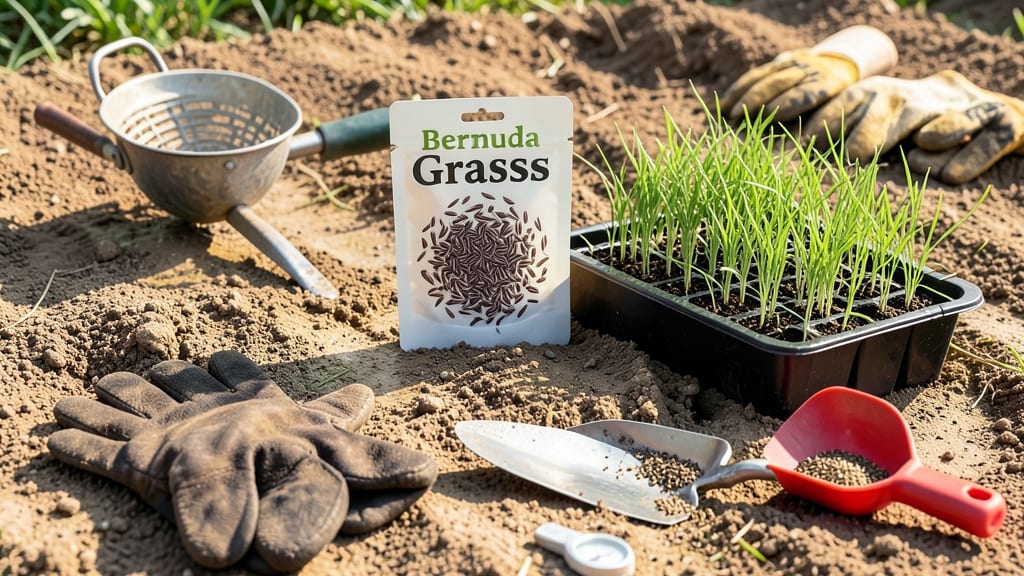
Planting Bermuda seed in North Texas at the wrong time can mean the difference between a vibrant, drought-resistant lawn and a frustrating, failed project.
The key window—late April through early June—aligns with soil warmth and the last frost date, but missing these details could leave your yard struggling under summer heat or vulnerable to late frosts.
I’ve seen firsthand how critical timing is for Bermuda grass 🌱 success in our 8a zone. Too early, and frost zaps your seedlings before they sprout; too late, and the intense North Texas sun dries out fresh seeds faster than you can water.
The secret isn’t just picking a month—it’s tracking soil temperatures and local weather patterns to lock in the perfect 210 frost-free days for germination.
In this guide, I’ll break down exactly when to plant, how to prep your soil for maximum success, and which Bermuda varieties thrive in our heat.
Whether you’re starting from scratch or reviving a tired lawn, these steps will help you avoid common pitfalls and get that lush, green carpet you’re after.
Ready to transform your yard? Let’s dive into the precise timing and care tips that’ll make your Bermuda grass planting a home run—no guesswork required.
North Texas Bermuda seed planting deadline: soil temperature & frost-free timeline
Bermuda grass thrives in North Texas’ hot summers and drought conditions, but planting at the wrong time means wasted seed and stunted growth. The critical window for planting Bermuda seed is late April through early June, when soil temperatures consistently stay above 65°F and frost risk disappears completely.
Why? Bermuda grass seeds need warm soil to germinate—below 60°F, they simply won’t sprout. Meanwhile, planting too late (after June 15) risks summer heat stress during germination. Let’s break down the exact timeline using North Texas’ USDA Zone 7b-8a climate data.
📌 Key Deadlines:
- Last frost date in North Texas: March 15 (varies by county)
- Soil warmth threshold: 65°F+ (use a soil thermometer!)
- Ideal planting window: April 20–May 31
- Absolute deadline: June 15 (after this, heat stunts germination)
| Stage | Action | North Texas Timeline |
|---|---|---|
| Soil Warmth Check | Test soil temp at 4" depth | Mid-April (target: 65°F+) |
| Frost-Free Confirmation | Wait 2 weeks after last frost | Early April |
| Optimal Planting Window | Seed germination peak | Late April–Early June |
| Heat Stress Risk | Avoid planting after this date | June 15 (hard deadline) |
Pro tip: Use the Texas A&M AgriLife Extension frost calendar for your specific county—Dallas and Fort Worth average 2 weeks earlier than West Texas. For example, Lubbock’s last frost is often March 31, while Amarillo’s can linger until April 15.
If you’re in East Texas (Zone 8a), you can plant as early as mid-April, but North Texas (Zone 7b) gardeners should wait until late April to avoid late-spring frosts.
Always check the National Weather Service for your area’s 10-day forecast—a 50°F night can kill young Bermuda seedlings overnight.
For fastest germination, aim for May planting. Bermuda grass grows aggressively in 80°F+ soil, so seeds planted in late May will sprout in 7–10 days with proper moisture. Just be ready to water deeply (1–2 inches per week) until the grass establishes a 3-inch root system.
What if you miss the window? You can try sodding instead of seeding—established Bermuda sod handles heat better. Or wait for fall (though germination slows below 70°F). But seeding in spring gives you the thickest, most drought-resistant lawn by summer.
🌱 Remember: Bermuda grass is warm-season, so it goes dormant in winter. Planting too early (e.g., March) risks frost damage, while planting too late (e.g., July) means struggling with summer heat stress. Stick to the April–June window for 90%+ success.
How to prepare your North Texas lawn for Bermuda seed planting (step-by-step)
Preparing your North Texas lawn for Bermuda seed planting is the secret to achieving that 90%+ germination success we all dream of. The key lies in creating the perfect conditions—warm soil, proper pH, and a clean seedbed—before the first seed hits the ground.
I’ve learned from years of trial and error that skipping these steps can leave your lawn patchy and struggling, even with the best seed varieties.
Bermuda grass thrives in our hot, dry climate, but it demands precise preparation to establish strong roots before summer’s intensity kicks in. From testing your soil to setting up irrigation, each step plays a critical role in ensuring your new lawn takes hold.
Let’s walk through the exact process I use to guarantee a lush, green carpet by summer.
Bermuda grass prefers a pH of 6.0 to 7.0. Use a soil test kit to check your lawn’s pH. If it’s too low, add lime (10-15 lbs per 1,000 sq ft) 4-6 weeks before planting. For high pH, apply sulfur (5 lbs per 1,000 sq ft) and retest.
Kill existing grass with a non-selective herbicide (like glyphosate) 2-3 weeks before planting. Rake or till the area to remove dead grass, roots, and debris. Aim for a clean, bare soil surface to ensure good seed-to-soil contact.
Use a rototiller to loosen soil to a depth of 3-4 inches. This helps seeds make contact with moisture and nutrients. Break up any compacted layers and smooth the surface with a rake for even seed distribution.
Spread a 1/4-inch layer of compost over the tilled area to improve soil structure and fertility. Work it into the top inch of soil with a rake. This step boosts water retention and provides essential nutrients for young seedlings.
Install a sprinkler system or soaker hoses to deliver 1/2 inch of water daily during germination. Bermuda seeds need consistent moisture to sprout, but avoid overwatering, which can cause soil compaction or fungal issues.
Use a broadcast spreader to distribute seed at a rate of 1/2 to 1 pound per 1,000 sq ft. Lightly rake the area to ensure seeds are in contact with soil. Avoid walking on the seeded area to prevent seed displacement.
Once your Bermuda seed is planted, the real work begins. The first 2-3 weeks are critical—you’ll need to monitor soil moisture closely and protect seedlings from pests like chinch bugs or birds.
I recommend covering the area with a lightweight straw mulch (1/4 inch thick) to retain moisture and deter erosion until germination occurs.
After germination, thin out any dense areas and maintain a mowing height of 1-1.5 inches to encourage strong root growth. Bermuda grass is tough once established, but those first few weeks demand patience and precision.
With the right prep, you’ll have a lawn that’s the envy of your North Texas neighborhood by summer.