
Plants
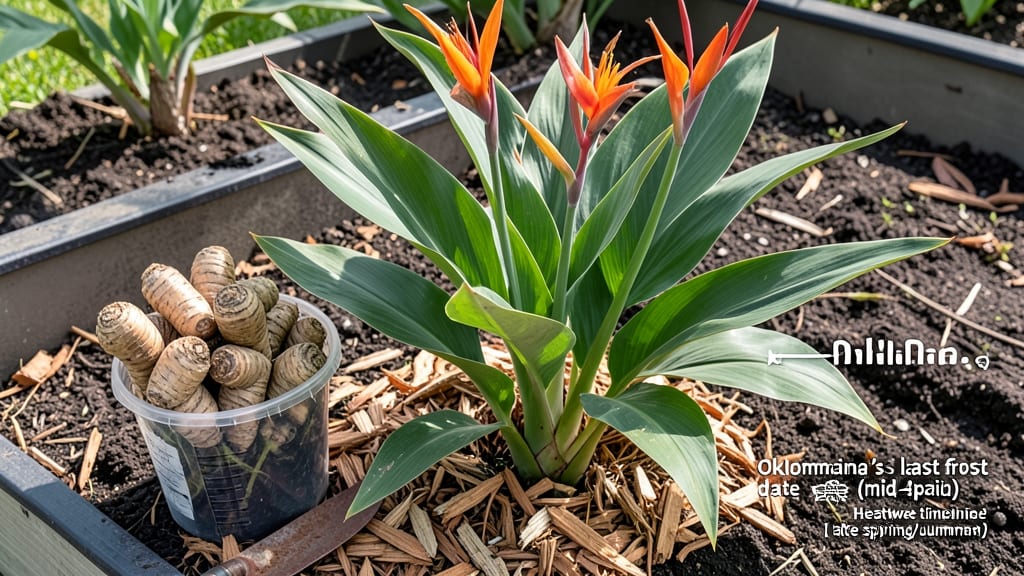
Planting cannas in Oklahoma isn’t just about waiting for spring—it’s about outsmarting the state’s unpredictable freezes and scorching summers. With the right timing, your 🌺 cannas can thrive year after year, even in USDA Zones 6b-8a where frost can strike anytime after November.
The key? Planting after the last frost—typically between April and May—but with a few extra tricks to give your plants the best shot at survival.
Most gardeners in Oklahoma treat cannas as annuals, but with proper care, you can coax them back year after year. The secret lies in understanding your microclimate—whether you’re in northern Oklahoma’s cooler pockets or the southern regions where heat lingers longer.
By planting when soil temperatures hit 60°F and using mulch or row covers, you can extend their growing season and enjoy those bold blooms well into fall.
If you’ve ever watched your cannas wilt under Oklahoma’s brutal summers or freeze too early in the season, you know the stakes are high. But don’t worry—I’ve got the game-changer strategies to help you plant at the perfect time and keep your cannas thriving.
From choosing the right varieties to adjusting for late frosts, this guide will set you up for success.
Ready to transform your garden into a canna paradise? Let’s dive into the exact planting window, soil prep, and care tips tailored for Oklahoma’s climate. Your 🌺 cannas will thank you with vibrant blooms all season long!
Oklahoma heat Zone map: best planting windows by USDA Zone
Oklahoma’s USDA Zones 7a–8a create a tricky balance for cannas—tropical heat lovers that need 120+ frost-free days to thrive. Planting too early risks late frosts, while waiting too long cuts bloom time. The key? Soil temperature over calendar dates—aim for 60°F+ before sticking those rhizomes in the ground.
Northern Oklahoma (Zones 7a–7b) has the tightest window—late April to early May—while southern regions (Zone 8a) can start as early as mid-March in microclimates like Lawton or Oklahoma City’s urban heat islands. Rural areas may need 2–3 weeks later than city gardens due to cooler nighttime temps.
Pro Tip: Use a soil thermometer—cannas won’t sprout until soil hits 60°F for 3+ days. In Zone 7a, this often means May 10–20; in Zone 8a, it’s April 1–15. Urban areas warm faster thanks to concrete heat absorption, giving city gardeners a 2-week head start.
| USDA Zone | Last Frost Date | Ideal Planting Window | Soil Temp Threshold | Microclimate Notes |
|---|---|---|---|---|
| 7a (Northern OK) | April 15–May 1 | May 10–20 | 60°F+ (3+ days) | Rural areas: delay 1–2 weeks |
| 7b (Central OK) | April 1–15 | April 20–May 5 | 60°F+ (3+ days) | Urban heat islands: start 7–10 days earlier |
| 8a (Southern OK) | March 15–April 1 | March 20–April 15 | 60°F+ (2+ days) | Early blooms possible with row covers |
For urban gardeners, leverage black plastic mulch or landscape fabric to warm soil 5–10°F faster than bare ground. In Zone 7a, this can shave 1–2 weeks off your planting timeline. Just avoid plastic touching rhizomes—they need moisture contact to sprout.
Late frost insurance: Keep row covers or cloches handy until May 31 in northern OK. A single 28°F night can kill emerging cannas, but lightweight fabric adds 4–6°F protection. Southern OK gardeners can push limits to June 1 if using black containers (they absorb heat faster).
After planting, mulch heavily with straw or shredded leaves to maintain soil moisture and insulate roots during Oklahoma’s swinging temps. In Zone 8a, this extends the bloom season by 3–4 weeks compared to unmulched beds.
Remember: Cannas are not winter-hardy in Oklahoma—they’re tender perennials that die back annually. Treat them like annuals for simplicity, or dig and store rhizomes in sphagnum moss for next year’s head start.
For container growers, plant 2–3 weeks later than in-ground beds—pots cool faster. Use dark-colored containers to absorb heat, and bury them halfway in the ground for extra insulation. This mimics Oklahoma’s urban microclimates and buys you critical growing time.
5 Pro tips to extend canna blooms in Oklahoma’s harsh climate
Oklahoma’s unpredictable weather can turn your 🌺 cannas from showstoppers to sad saplings overnight. But with these battle-tested tricks, you can stretch their blooming season from early summer to late fall—even in Zone 7a’s chilly pockets.
The secret? Combining smart mulching, container mobility, and strategic frost protection. Let’s tackle the biggest threats first: heat stress and early frosts.
First, mulch like a pro. Use 3-4 inches of straw or wood chips around your cannas to lock in moisture and regulate soil temps. This keeps roots cool during Oklahoma’s 100°F+ summers while preventing shocking temperature swings.
Pro tip: Refresh mulch every 4-6 weeks to maintain its insulating power. I’ve seen cannas in Lawton thrive for 2 extra months thanks to this simple hack.
🌿
For northern Oklahoma gardeners (Zones 6b-7a), container gardening is your best insurance policy. Plant cannas in 18"+ pots with drainage holes, then roll them into garages or sheds by mid-November.
I’ve kept cannas alive through three Oklahoma winters using this method—just don’t forget to water lightly every 3-4 weeks during dormancy.
When late frosts sneak in (and they will—Oklahoma’s November surprises are legendary), row covers are your secret weapon. Drape floating fabric covers over cannas when nighttime temps dip below 35°F, but remove them by 10 AM to prevent overheating.
This buys you 2-3 extra weeks of blooms, which can mean the difference between a disappointing season and a showstopping display.
Finally, water like a pro. Cannas hate wet feet but crave deep hydration. Water early in the morning for 7-10 days (more often in summer’s 100°F+ heat).
Avoid night watering, which invites fungal diseases like rust. Pro move: Mulch again after watering to lock in moisture and keep roots cool.
With these Oklahoma-specific hacks, your 🌺 cannas will bloom longer, harder, and more reliably than ever before. The key? Stay one step ahead of Oklahoma’s unpredictable weather—because when you do, those bold, tropical blooms will reward you with season-long color.