
Plants
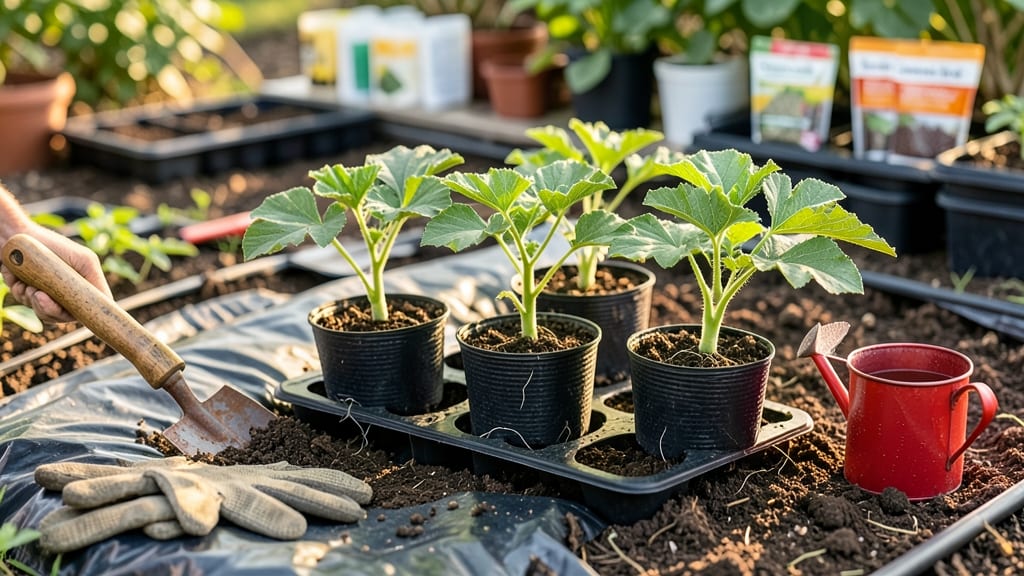
Planting cantaloupe in Tennessee at the wrong time could mean the difference between a sweet summer harvest and a sad, wilted vine. The 6a-7b climate zones here demand precision—wait too long, and you risk stunted growth, while planting too early exposes delicate seedlings to late frosts.
For most of Tennessee, the ideal window opens in late April to early May, once soil temperatures hit at least 70°F and all danger of frost has passed.
But don’t just guess: check your county’s last frost date (typically mid-April) and adjust for microclimates—mountain regions like East Tennessee may need a later start.
Once you’ve picked the perfect timing, the next challenge is keeping those young plants happy. Black plastic mulch can warm the soil faster, while row covers shield seedlings from unexpected chilly nights. With the right prep, you’ll be on track for ripe, juicy 🍈 cantaloupes by July.
I’ll walk you through the exact steps to time your planting, from soil prep to variety selection, so you can avoid common mistakes and maximize your harvest. Let’s get those vines growing!
Tennessee’s frost-free dates by county: best planting windows for cantaloupe
Cantaloupes are warm-season crops that thrive in Tennessee’s long, hot summers—but only if planted at the right time. The last average frost date across the state ranges from mid-April in West Tennessee to late April in East Tennessee, creating a 3-week window for planting.
For most gardeners, this means late April to early May is your sweet spot. However, soil temperature matters just as much as air temperature—wait until the soil reaches at least 70°F (about 1-2 weeks after the last frost) to ensure strong germination.
Tennessee spans USDA Hardiness Zones 6a-7b, but microclimates within counties can shift planting windows by 1-2 weeks. For example, Memphis (Zone 7b) can plant cantaloupes as early as mid-April, while Knoxville (Zone 6b) may need to wait until early May.
Always check your local frost-free date using the Tennessee State Climatology Office or Almanac resources to fine-tune your schedule.
Here’s the key: Cantaloupes need 75-90 days from planting to harvest, so count backward from your first frost date (mid-October). This ensures your melons mature before cooler weather arrives.
In West Tennessee’s warmer zones, you might squeeze in a second planting in early June for a late-summer harvest, but this requires fast-maturing varieties like ‘Ambrosia’ (70 days).
Pro tip: Use black plastic mulch to warm the soil faster and extend your planting window by 7-10 days. This is especially helpful in East Tennessee’s cooler valleys, where late frosts can still occur in May.
Pair this with row covers for extra protection during seedling stages (the first 2-3 weeks).
| Region | Last Frost Date | Ideal Planting Window | Harvest Window | Notes |
|---|---|---|---|---|
| West TN (Memphis, Nashville) | Mid-April | Late April - Early May | July - Early Sept | Longer growing season; can try June replant |
| Middle TN (Chattanooga, Clarksville) | Late April | Early May | Late July - Aug | Moderate heat; black mulch helps |
| East TN (Knoxville, Bristol) | Early May | Mid-May | Aug - Early Sept | Cooler nights; use row covers |
If you’re in Zone 6a (e.g., Johnson City), consider starting cantaloupe seeds indoors 3-4 weeks before your target outdoor date. Use biodegradable pots to transplant seedlings without disturbing roots.
For container growing, choose compact varieties like ‘Tasty Bite’ (65 days) and plant after Memorial Day to avoid early-season chill risks.
One common mistake is planting too early and watching seedlings wilt from cold soil. Test your soil temperature with a soil thermometer (available at garden centers for ~$10). Aim for 70-75°F at a 2-inch depth.
If your soil is still cool in May, opt for fast-maturing varieties or delay planting until June. Patience here pays off—rushed cantaloupes rarely ripen fully.
For urban gardeners in Nashville or Chattanooga, city heat can actually advance your planting window by 1-2 weeks compared to rural areas. Monitor local heat islands (areas with higher temps) and adjust accordingly.
If you’re unsure, plant a few seeds in late April and cover them with frost blankets if nighttime temps dip below 50°F.
Remember: Cantaloupes hate cold feet. Even if the air is warm, cool soil will stall germination. Amend your beds with compost or aged manure before planting to improve warmth retention.
In sandy soils (common in West TN), add organic matter to hold moisture, while clay soils (East TN) benefit from gypsum to improve drainage.
Finally, keep an eye on your local weather forecast in late April. If a late frost warning pops up, have row covers or a cold frame ready. With the right timing and a little preparation, you’ll be slicing into homegrown cantaloupes by midsummer—nothing beats that first sweet bite! 🍈
How to adjust cantaloupe planting for Tennessee’s microclimates and soil conditions
Tennessee’s diverse geography—from the Appalachian Mountains in the east to the Mississippi River Valley in the west—creates microclimates that demand flexibility in your cantaloupe planting strategy.
In East Tennessee’s cooler zones (6a), like Sevier County, you might need to wait until late May to avoid late spring frosts, while Middle and West Tennessee (7a-7b) can start as early as mid-April.
For mountain regions, use row covers or cold frames to extend your season. These protective layers can add 4-6°F of warmth, allowing you to plant 2-3 weeks earlier without risking frost damage.
I’ve found that even a simple plastic tunnel over seedlings can make all the difference in high-elevation areas like Knoxville.
Soil type also plays a critical role. Tennessee’s sandy soils, common in West Tennessee, drain quickly and may need organic matter amendments like compost or aged manure to retain moisture. Meanwhile, clay-heavy soils in East Tennessee can become waterlogged—amend with sand or perlite to improve drainage.
Before planting, test your soil’s pH (6.0-6.8 is ideal) and adjust with lime or sulfur if needed.
⚠️ Late Frost Warning
Never skip frost checks—even in May! Use the National Weather Service’s frost prediction maps or local Cooperative Extension offices for real-time updates. A single 28°F night can kill seedlings overnight. If frost is forecasted, cover plants with lightweight row fabric or old bedsheets.
Pro Tip: Plant fast-maturing varieties (like ‘Ambrosia’) in high-risk areas to harvest before fall frosts arrive.
Black plastic mulch is my go-to trick for warming soil faster. Lay it down 2-3 weeks before planting to raise soil temperatures by 5-10°F, which helps cantaloupes germinate quicker.
This is especially useful in cooler microclimates or when starting seeds indoors. Just remember to remove mulch once vines begin spreading to prevent overheating.
Urban gardeners in cities like Nashville or Chattanooga face additional challenges, like heat islands and limited space. Opt for container-friendly varieties like ‘Tasty Jewel’ and place pots on heat-reflective surfaces (like white gravel) to regulate soil temps.
In these areas, drip irrigation helps maintain consistent moisture without wetting foliage, reducing disease risk.
Finally, monitor your garden’s microclimate shifts. A south-facing slope warms up faster than a north-facing one, while a shady spot under trees can delay growth by 1-2 weeks.
Use a soil thermometer to confirm temps are above 70°F before planting—this simple tool has saved me from multiple failed starts.