
Plants
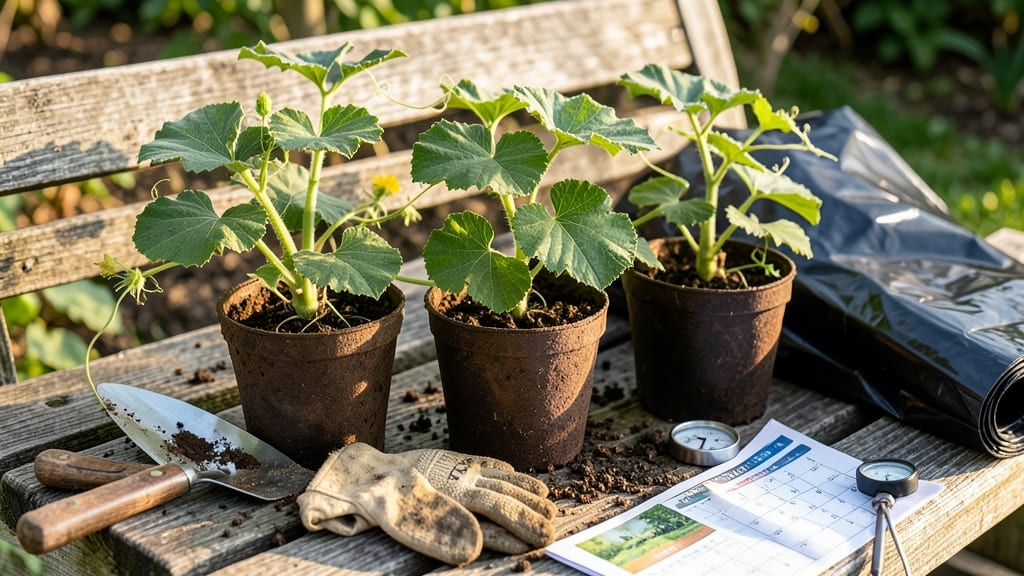
Planting cantaloupe in Zone 9b can feel like a gamble if you don’t time it just right—too early, and your seeds rot in cool soil; too late, and the summer heat arrives before your vines even take off.
The key to success lies in waiting for that perfect moment when soil temperatures hit 70°F+ and daytime highs stay consistently warm.
Unlike cooler climates where frost is a concern, Zone 9b’s frost-free growing season means you can focus solely on heat tolerance. But even here, rushing the process can leave young plants struggling under the intense sun.
I’ll show you exactly when to plant—whether you’re starting seeds directly in the garden or using transplants—to maximize your 🍉 harvest from May through July.
You’ll also discover how to work with your local microclimate, whether you’re in Phoenix’s desert heat or Southern California’s coastal edges.
With the right timing and a few pro tips, you can avoid common pitfalls like blossom-end rot or stunted growth, ensuring your cantaloupes thrive from seed to ripe, sweet fruit.
Ready to transform your garden into a cantaloupe powerhouse? Let’s dive into the ideal planting window—and why waiting just a little longer can mean the difference between a meager harvest and a bounty of juicy, vine-ripened melons.

Best planting timeline for cantaloupe in Zone 9B (with heat tolerance tips)
Zone 9B’s frost-free climate means you can grow cantaloupe year-round—but timing still matters. The ideal window for planting is when daytime temperatures hit consistently 70°F+, typically mid-February to early March.
Planting too early risks heat stress on young seedlings, while late planting may delay your harvest until summer’s peak heat.
Unlike cooler zones, Zone 9B gardeners skip transplants entirely. Cantaloupe seeds germinate best in warm soil (75°F+), so direct sowing is the gold standard. Starting indoors in Zone 9B often leads to transplant shock when moved to hot outdoor conditions.
Here’s the critical timeline for success in your climate:
| Stage | Action | Temperature Requirement |
|---|---|---|
| Late February | Soil prep: Add compost, ensure drainage | Soil: 70°F+ |
| Mid-February to Early March | Direct sow seeds 1" deep, 2-3 seeds per hill | Day: 70°F+, Night: 55°F+ |
| March-April | Thin seedlings to strongest plant per hill | Day: 75°F+ |
| April-May | Mulch to retain moisture, fertilize lightly | Day: 80°F+ |
| May-July | Harvest when fruit slips easily from vine | Day: 90°F+ (peak heat) |
For extended harvests, try a second planting in late May. This works because Zone 9B’s summer heat actually boosts cantaloupe ripening, but choose heat-tolerant varieties like 'Ambrosia' or 'Hale’s Best' to avoid bitter fruit.
One common mistake in Zone 9B is overwatering during germination. Keep soil moist but not soggy—seeds need consistent moisture to sprout, but standing water causes rot. Use a soil thermometer to confirm temps before planting; 60°F soil is the absolute minimum for germination.
Pro tip: Use black plastic mulch to warm soil faster in early plantings. This raises soil temperatures by 5-10°F, helping seeds germinate 2-3 days faster in cooler microclimates like desert edges or high-elevation areas within Zone 9B.
If you live in coastal Zone 9B (like parts of Southern California), plant 1-2 weeks later than inland areas. Coastal breezes delay soil warming, so wait until mid-March for best results. Monitor your local microclimate—urban heat islands may need earlier plantings than rural areas.
Remember: Cantaloupes in Zone 9B hate humidity. If your area gets high summer humidity (like near Phoenix’s monsoon season), use drip irrigation to keep foliage dry and prevent powdery mildew, a common issue in late-season plantings.
For a foolproof first try, aim for March 1st planting. This gives you 100+ days to harvest before summer’s peak heat, while avoiding the late-winter cool snaps that can still occur in some Zone 9B areas.
Best planting timeline for cantaloupe in Zone 9B (with heat tolerance tips)
In Zone 9B, cantaloupe seeds should never hit cool soil—they rot instantly below 60°F. Your sweet spot is when soil temperatures consistently reach 70°F+, which typically aligns with mid-to-late February in most desert regions like Phoenix.
For coastal areas (e.g., San Diego), wait until early March when ocean breezes cool the soil less dramatically.
Direct sowing is your best bet in Zone 9B—transplants struggle to adapt to the sudden heat. Plant seeds ½-inch deep in hills spaced 3-4 feet apart to give vines room to sprawl. This method also avoids the shock of transplanting tender seedlings into 90°F+ soil.
Here’s your Zone 9B planting timeline broken down by microclimate:
| Microclimate | Ideal Planting Window | Soil Temp Requirement | Key Tip |
|---|---|---|---|
| Desert (Phoenix, Palm Springs) | Mid-February to early March | 70°F+ (daytime) | Use black plastic mulch to warm soil faster |
| Coastal (San Diego, Santa Barbara) | Early to mid-March | 65°F+ (soil) | Choose disease-resistant varieties for humidity |
| Valley (Sacramento, Fresno) | Late February to early March | 75°F+ (daytime) | Plant on north-facing slopes for cooler soil |
If you miss the February-March window, don’t panic—you can try a late-summer replant in August for a fall harvest. However, these plants will mature just as temperatures drop, so prioritize heat-tolerant varieties like 'Athena' or 'Hale’s Best' for this approach.
Pro tip: Monitor soil temps with a soil thermometer—cantaloupe seeds need warmth to germinate, and 80°F+ soil speeds up sprouting. In my garden, I’ve seen seeds emerge in 4-5 days at this temp, compared to 2+ weeks in cooler soil.
Once your seedlings pop up, thin them to 2-3 plants per hill to prevent overcrowding. Thin in the early morning to reduce stress on remaining plants, and always use sterilized scissors to avoid disease spread. 🌱