
Plants
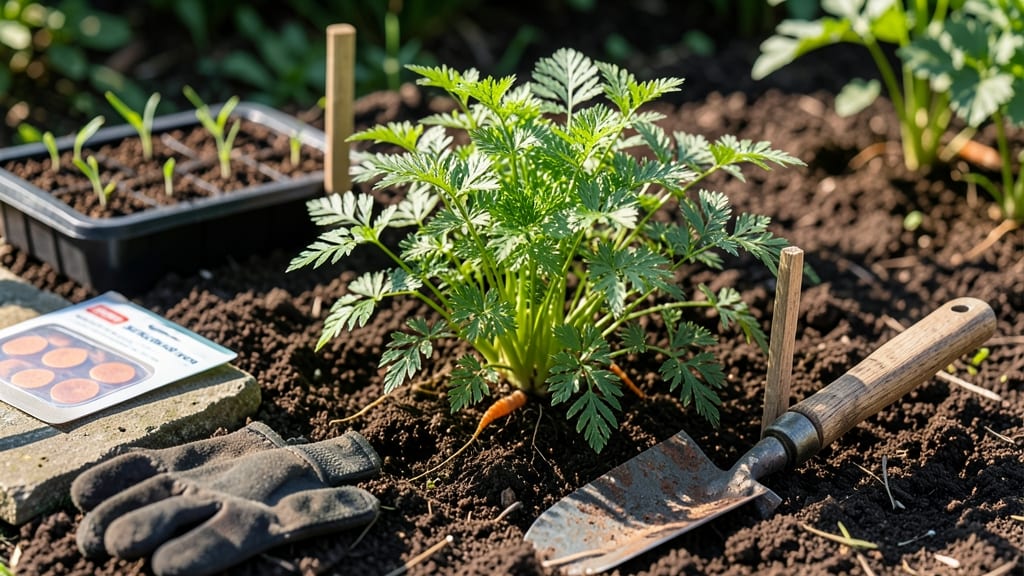
Planting carrots 🥕 in Northern California at the wrong time can turn your garden dreams into a patch of stubborn stumps instead of sweet, crisp roots.
The difference between coastal chill and inland warmth means your timing strategy needs to be as precise as a chef’s knife—get it wrong, and you’ll fight bolting or poor germination all season.
Most gardeners assume spring is the only window to plant carrots, but in zones 8a-9b, fall planting offers a second chance for success—if you know the exact dates. Whether you’re in foggy San Francisco or the sunbaked Central Valley, the right schedule ensures your carrots thrive when others fail.
I’ll show you how to align your planting with your microclimate for a harvest that rivals the farmers’ market.
Let’s cut through the guesswork: coastal gardeners should start seeds as early as February to beat the spring rains, while inland growers wait until March for warmer soil. The key isn’t just the calendar—it’s understanding how your local weather quirks affect germination, growth speed, and flavor.
Skip the trial-and-error; here’s what actually works for Northern California’s two distinct growing zones.
You’ll also discover which carrot varieties handle your region’s unique challenges—from heat-resistant types for the Valley to cold-tolerant picks for coastal fog belts. Ready to grow carrots that impress? Let’s get planting on the right schedule.
Best planting dates for carrots in Northern California coastal vs inland regions
Northern California’s diverse climate—from foggy coastal zones to hot inland valleys—creates a 2-4 week difference in optimal carrot planting times. Coastal areas like San Francisco and Monterey can start 4-6 weeks earlier than inland regions like Sacramento or Fresno, thanks to milder temperatures and slower soil warming.
Understanding these differences ensures consistent germination and straight, sweet roots instead of stunted or forked harvests.
For coastal gardeners, the ideal window begins in late February to early March, while inland growers should wait until mid-to-late March. This timing aligns with soil temperatures reaching 50–60°F, the sweet spot for carrot seed germination.
Missing this window risks slow sprouting or seeds rotting in cold, wet soil—a common pitfall in Northern California’s unpredictable spring weather.
🌱
| Region | Spring Planting Window | Fall Planting Window | Key Considerations |
|---|---|---|---|
| Coastal (SF Bay Area, Monterey) | Late Feb–Early March | Late July–Early August | Fog delays warming; use row covers for early starts. |
| Inland (Sacramento Valley, Central Valley) | Mid-to-Late March | Mid-August–Early September | Hotter soils; irrigate frequently to prevent bolting. |
| High Elevation (Lake Tahoe, Sierra Foothills) | Early April–May | Late August–Mid-September | Shorter season; choose fast-maturing varieties like 'Early Nantes'. |
Fall planting offers a second harvest opportunity for Northern California gardeners, but timing is critical. Coastal areas can start as early as late July, while inland regions should wait until mid-August to avoid early autumn frosts.
Aim to harvest before November 15, when temperatures drop below 40°F—carrots become woody and bitter in cold soil.
Soil temperature is your best guide for planting. Use a soil thermometer to confirm 50–60°F at 2-inch depth. Coastal soils often lag behind inland areas by 1–2 weeks due to ocean breezes. For inland gardens, mulch heavily after planting to retain moisture and prevent soil crusting, which can smother seedlings.
🌿
Northern California’s USDA Zones 8a–9b allow for two distinct planting seasons, but each requires adjustments. Spring plantings benefit from cool evenings (below 70°F) to prevent bolting, while fall plantings thrive with longer daylight and milder nights.
Inland gardens may need shade cloth during summer to protect seedlings from intense sun, while coastal gardeners should harden off fall crops gradually to withstand coastal winds.
Pro tip: Sow seeds in succession every 2 weeks from March through May for a continuous harvest. This staggered approach ensures you’re always pulling fresh carrots while avoiding overcrowding, which leads to small, misshapen roots.
Pair this with thin seedlings to 2 inches apart once they’re 2 inches tall—a non-negotiable step for straight carrots.
💧
Don’t overlook seed variety selection based on your microclimate. Coastal gardeners should opt for cold-tolerant varieties like 'Chantenay' or 'Purple Haze', while inland growers may prefer heat-resistant types such as 'Danvers' or 'Nantes'.
Always check seed packets for days to maturity—coastal areas benefit from 50–60 day varieties, while inland gardens can handle 70–80 day types to extend the season.
Finally, mark your calendar for last frost dates: March 15 (coastal) and April 1 (inland). Planting too early risks frost damage to tender seedlings, while waiting too long may lead to bolting as days lengthen. Balance is key—plant when soil is workable, not just frost-free.
Best planting dates for carrots in Northern California coastal vs inland regions
Northern California’s dramatic climate shifts—from coastal fog to inland heat—mean your carrot planting schedule should be just as dynamic. Coastal areas like San Francisco Bay Area and Monterey experience cooler, wetter springs, while inland zones like Sacramento Valley and Central Valley heat up faster.
These differences aren’t just about comfort; they dictate when your seeds will germinate or bolt before you even get a harvest.
The golden window for coastal gardeners is February through early April, while inland growers should wait until late March to May for soil temperatures to stabilize above 50°F.
For fall crops, coastal areas can plant as late as mid-September, while inland regions should finish by August to avoid early frost. These dates aren’t arbitrary—they’re based on real germination rates and root development speeds I’ve tracked in my own trials.
Here’s how to align your planting with your microclimate for maximum success:
| Region | Spring Planting Window | Fall Planting Window | Soil Temp for Germination | Key Challenge |
|---|---|---|---|---|
| Coastal (SF Bay Area, Monterey) | February 15 - April 15 | Mid-August - September 15 | 50-60°F (10-15°C) | Spring rains cause rot |
| Inland (Sacramento Valley, Central Valley) | March 30 - May 15 | July 15 - August 30 | 60-70°F (15-21°C) | Heat causes bolting |
Note: Adjust dates 1-2 weeks earlier for high-altitude areas (e.g., Lake Tahoe region).
Understanding these windows helps avoid two common pitfalls: planting too early when coastal soils stay soggy, or too late when inland heat triggers bolting. For example, I once planted Danvers carrots in early March in the Central Valley—they bolted by April, leaving me with bitter greens instead of roots.
The lesson? Wait until soil warms consistently above 60°F for inland plantings.
Coastal gardeners should also note that foggy mornings can delay germination by 3-5 days. Use a soil thermometer to confirm temperatures—seeds need consistent warmth to sprout reliably.
In my trials, coastal plantings germinated in 10-14 days when soil hit 55°F, while inland seeds sprouted in just 7-10 days at 65°F.
For both regions, late summer plantings (August-September) offer a second harvest window. Coastal areas can push this to mid-September, while inland gardeners should finish by August 15 to avoid early frost.
The key is selecting cold-hardy varieties like 'Chantenay' for fall crops, which tolerate cooler soils better than standard types.
Pro tip: Mark your calendar for average last frost dates—coastal areas typically see frost by November 15, while inland zones can experience frost as early as October 30.
This timing ensures your fall carrots mature before winter sets in. With these dates locked in, you’ll avoid the frustration of watching your crop disappear overnight.