
Plants
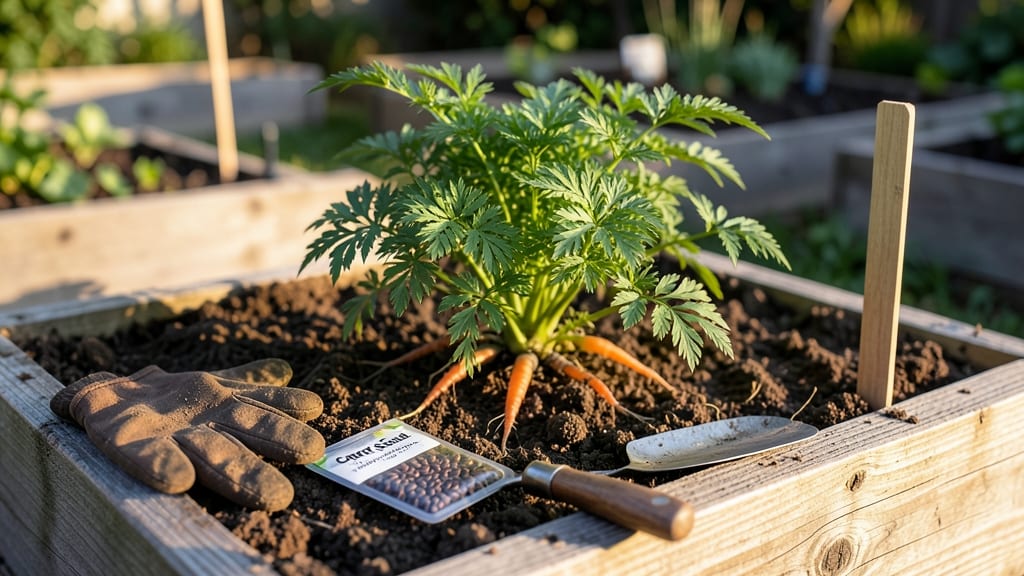
Planting carrots in New York at the wrong time can mean the difference between a bountiful harvest of crisp, sweet 🥕 and a sad pile of woody, bitter roots.
The key isn't just about throwing seeds in the dirt—it's about understanding when the soil is ready and how to work with New York's unpredictable spring weather.
In USDA Zone 6a, you've got two main chances to plant: early spring (March-April) and late summer (July-August). But here's the catch: planting too early means frost will nip your seedlings, while waiting too long risks summer heat turning your carrots tough.
I'll show you exactly how to time it right for your specific corner of New York.
We'll cover the perfect soil temperature triggers (50°F and rising), how to adjust for Upstate's cooler microclimates versus NYC's urban heat islands, and why succession planting can give you a harvest every 3 weeks from June through October.
Whether you're a first-time gardener or looking to boost your fall yields, these strategies will help you grow carrots that are sweet, straight, and ready to harvest at their peak. Let's get your planting calendar dialed in for success.
NY planting zones & carrot frost-free deadlines by week
New York’s diverse climate zones (3-7) mean your last frost date could vary by weeks—not just days. Upstate gardeners in Zone 4-5 often wait until mid-May, while NYC’s Zone 6-7 can start as early as late March.
The key? Soil temperature matters more than calendar dates—carrot seeds need at least 50°F to germinate reliably.
For spring planting, aim for 4-6 weeks before your last frost. This gives seedlings time to establish before summer heat arrives. In Zone 6a (most of NY), that’s typically mid-April to early May.
Miss this window, and you’ll deal with woody, bitter carrots or stunted growth from inconsistent moisture.
Here’s how to translate USDA zones into actionable planting weeks for your region:
| Zone | Last Frost Date | Ideal Planting Window | Soil Temp Threshold | Notes |
|---|---|---|---|---|
| 3-4 (Upstate NY) | May 10–20 | April 20–May 5 | 50°F+ | Use row covers for early starts |
| 5 (Finger Lakes) | May 1–10 | April 10–April 25 | 50°F+ | Succession plant every 2 weeks |
| 6a (NYC, Hudson Valley) | April 15–May 1 | March 25–April 10 | 50°F+ | Start indoors for head start |
| 7 (Long Island) | April 1–10 | March 15–March 30 | 50°F+ | Fall planting extends to October |
Pro tip: Use a soil thermometer to confirm readiness—don’t rely on calendar dates alone. In Zone 6a, I’ve seen March 20th soil temps drop back to 45°F overnight, delaying germination by weeks. Wait for consistency at 50°F+ for 3+ days before sowing.
For succession planting, sow new seeds every 2-3 weeks until mid-July. This ensures a continuous harvest from late summer to fall.
In my Zone 6a garden, I plant 3 batches in May, 2 in June, and 1 in early July for a 3-month harvest window.
If you’re in Zone 3-4, consider starter plants or greenhouse sowing to jumpstart growth. Carrots are cool-season crops, so they’ll bolt (go to seed) if planted too late in summer heat. In NYC’s Zone 7, I stop spring planting by June 1st to avoid this issue.
Remember: NY’s microclimates can shift planting windows by weeks. A north-facing garden in Zone 6a may feel like Zone 5—always adjust for your specific location. Use local Cooperative Extension frost maps or Almanac data to fine-tune your schedule.
For fall planting, we’ll dive deeper into late-summer sowing and cold-hardy varieties—but first, let’s tackle the soil triggers that make or break germination. Moisture and temperature are your secret weapons for crisp, straight carrots.
Soil temperature & moisture triggers for carrot germination
Carrot seeds are famously finicky about germination—too cold, and they rot; too hot, and they dry out. In New York, soil temperatures must stay above 50°F for consistent sprouting. Use a soil thermometer (just $10 at garden centers) to check 2 inches deep, where seeds will be planted.
Moisture is just as critical. Carrot seeds need constant dampness to germinate, but they’ll drown in soggy soil. Aim for 60-70% moisture—like a wrung-out sponge. Sandy soils dry faster, while clay holds moisture too long. Mix in compost to balance both textures.
- Planting too deep (>1/4 inch) stalls germination.
- Letting soil crust blocks seedlings from emerging.
- Skipping mulch causes moisture loss in dry spells.
For sandy soils (common in Long Island), water lightly every 2-3 days and add peat moss to retain moisture. In clay-heavy areas (Upstate NY), improve drainage with coarse sand and water deeply but infrequently. Test your soil’s readiness by squeezing a handful—it should hold shape but crumble when touched.
Pro tip: Pre-soak seeds for 24 hours before planting to jumpstart germination. Place them in a damp paper towel, then transfer directly to the soil. This cuts waiting time by 3-5 days, especially in cooler Zone 5 areas like Buffalo.
Once seeds sprout (in 7-14 days), thin seedlings to 2-3 inches apart to prevent competition. Use scissors to snip unwanted sprouts at soil level—this avoids disturbing roots. Thinning also reduces forked carrots, a common NY gardening frustration.
Monitor soil moisture closely during germination. A clear plastic dome over seeds (removed after sprouting) can boost success rates by 20% in shady or windy spots. Just remember to ventilate daily to prevent mold.